

Pentagon Clears 8 AI Firms for Classified Networks
The Pentagon signed AI agreements with eight tech companies for its most classified military networks, pointedly excluding Anthropic even as courts battle over its blacklist status.
They summarize our coverage. We write it.
Newsletters like this one rebroadcast our headlines - often without the full review, the source reading, or the analysis underneath. Our weekly briefing sends the work they paraphrase, straight from the desk, before they get to it.
Free, weekly, no spam. One email every Tuesday. Unsubscribe anytime.
The Pentagon signed AI agreements with eight tech companies for its most classified military networks, pointedly excluding Anthropic even as courts battle over its blacklist status.
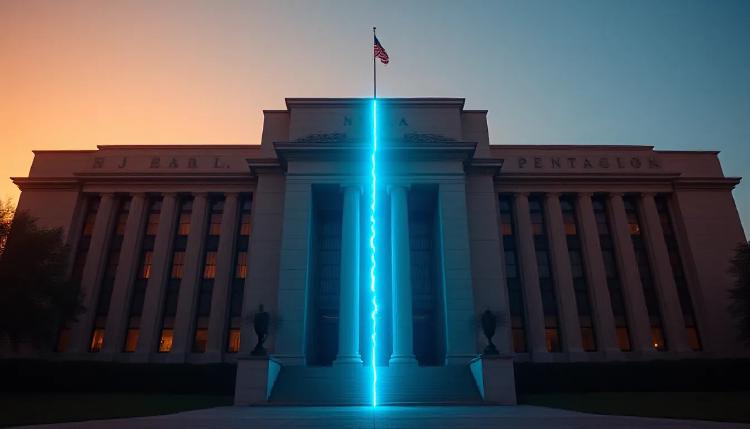
NSA is running Anthropic's Mythos Preview while the Pentagon - its parent department - formally brands Anthropic a supply chain risk and fights in court to keep the company out of federal systems.

Dario Amodei met with Susie Wiles and Scott Bessent at the White House on April 17, while Trump - standing on a Phoenix runway - said he had 'no idea' about the meeting.

The Trump administration is simultaneously suing Anthropic in federal court over a supply chain risk designation and sending Treasury Secretary Bessent and Fed Chair Powell to convince Wall Street banks to use Anthropic's most powerful model.

Britain is offering Anthropic a £40M research lab and a dual London Stock Exchange listing after the Pentagon branded the AI company a supply-chain risk.
The Justice Department is asking the Ninth Circuit to reverse the order that blocked the Pentagon's supply chain risk label on Anthropic and paused Trump's federal ban on Claude.

Anthropic confirmed paid Claude subscriptions more than doubled in 2026 while annualized revenue climbed from $1B to $19B in roughly 15 months.

A federal judge blocked the Pentagon's Anthropic blacklist on March 26, ruling the government engaged in First Amendment retaliation by punishing the company for refusing to drop AI safety guardrails.
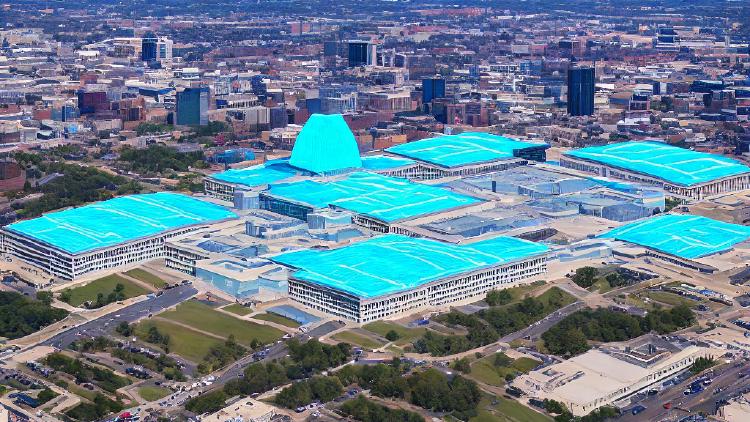
The Pentagon launched Agent Designer on its GenAI.mil platform, letting 3 million Defense Department employees build custom Gemini-powered AI assistants without code.
Anthropic filed two federal lawsuits after the Pentagon labeled it a national security supply chain risk for refusing to drop AI guardrails on autonomous weapons and mass surveillance.

Caitlin Kalinowski, OpenAI's head of robotics, resigns over the company's Pentagon AI contract, warning that mass surveillance and autonomous weapons 'deserved more deliberation than they got.'

Nearly 900 employees across Google and OpenAI sign an open letter titled We Will Not Be Divided, calling on leadership to reject Pentagon demands for unfettered AI access.
