
Fine-Tuning Costs Comparison - Train Your Own AI
May 2026: Together AI adds Llama 4 and DeepSeek fine-tuning, Fireworks raised deployment prices $1/hr, and H100 rentals fell to under $2.40/hr.
They summarize our coverage. We write it.
Newsletters like this one rebroadcast our headlines - often without the full review, the source reading, or the analysis underneath. Our weekly briefing sends the work they paraphrase, straight from the desk, before they get to it.
Free, weekly, no spam. One email every Tuesday. Unsubscribe anytime.
May 2026: Together AI adds Llama 4 and DeepSeek fine-tuning, Fireworks raised deployment prices $1/hr, and H100 rentals fell to under $2.40/hr.

Under oath in the Musk v. Altman trial, Musk said xAI 'partly' distilled OpenAI's models to train Grok - the same practice US labs have spent months calling theft when Chinese firms do it.
One day after Microsoft's exclusive license ended, OpenAI launched GPT-5.4, Codex, and jointly built Managed Agents on Amazon Bedrock - all in limited preview.
A peer-reviewed Science study puts OpenAI o1 through 76 live emergency room cases - and the model beats expert physicians on initial triage with 67.1% accuracy against 55% and 50%.

GPT-5.5 and Claude Opus 4.7 both launched in April 2026 with 1M context windows and agentic coding focus. One leads on math and long-context retrieval, the other on software engineering and vision.
The Pentagon signed AI agreements with eight tech companies for its most classified military networks, pointedly excluding Anthropic even as courts battle over its blacklist status.
Seven families filed federal lawsuits against OpenAI and CEO Sam Altman personally, seeking over $1B after the company ignored its safety team's warnings before the Tumbler Ridge shooting.

Anthropic is considering a $40-50 billion funding round at a valuation of up to $900 billion, which would make it the world's most valuable private AI company, surpassing OpenAI.
WSJ reports OpenAI missed multiple monthly revenue targets and its 1B user goal in 2026, sending Oracle down 6% and chip stocks sliding as IPO doubts surface.
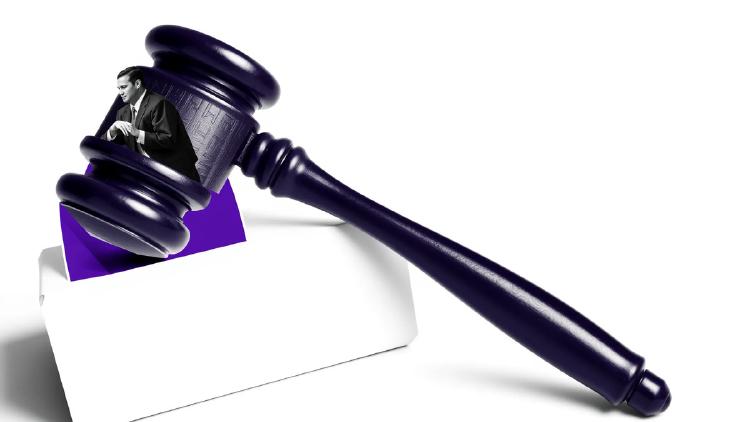
A federal trial over OpenAI's shift from nonprofit to for-profit opened in Oakland on April 28, with Musk seeking $134B in damages, Altman's removal, and a full corporate reversal.
Per-image API costs for GPT Image 2, FLUX.2 Pro, Imagen 4, Ideogram v3, Stable Diffusion, and more - with price corrections and new additions for April 2026.
Analyst Ming-Chi Kuo claims OpenAI is building a smartphone with Qualcomm and MediaTek where AI agents replace traditional apps, targeting 2028 mass production.
