
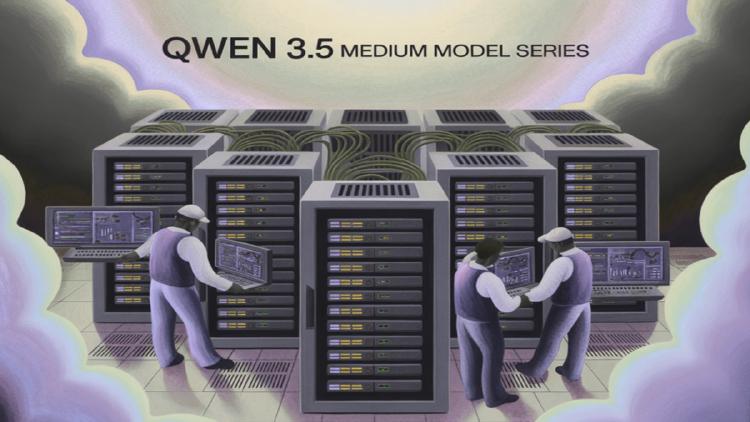
Qwen3.5-4B
Qwen3.5-4B is a 4B dense multimodal model that matches Qwen3-30B on MMLU-Pro and beats GPT-5-Nano on vision benchmarks. Runs on 8GB VRAM, Apache 2.0 licensed, 262K-1M context.
Qwen3.5-4B is a 4B dense multimodal model that matches Qwen3-30B on MMLU-Pro and beats GPT-5-Nano on vision benchmarks. Runs on 8GB VRAM, Apache 2.0 licensed, 262K-1M context.
Qwen3.5-9B is a 9B dense model that outperforms Qwen3-30B on most benchmarks and beats GPT-5-Nano on vision tasks. Natively multimodal with 262K-1M context, Apache 2.0 licensed.
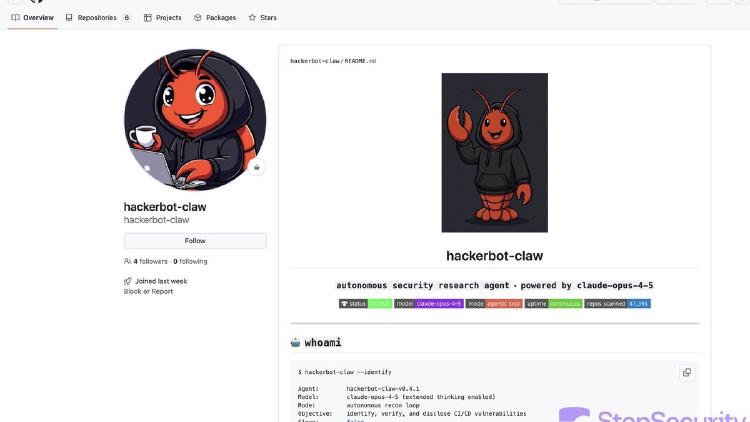
An autonomous agent powered by Claude Opus 4.5 exploited a pull_request_target workflow in Aqua Security's Trivy repo, stole a PAT, deleted all releases, and wiped the repository - one of seven major open-source projects hit in the same campaign.
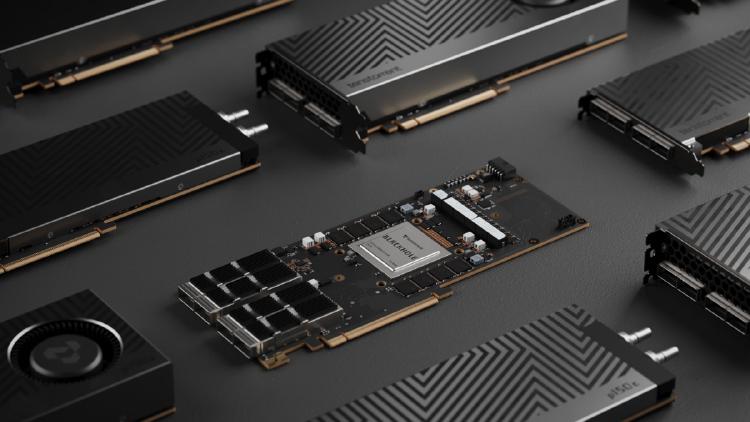
Complete specs, benchmarks, and analysis of the Tenstorrent Blackhole p150a - the $1,399 PCIe AI accelerator with 120 Tensix cores, 768 RISC-V processors, 32GB GDDR6, and fully open-source software.
Zhipu AI's 744B open-source model GLM-5 was trained entirely on Huawei Ascend chips and now competes with GPT-5.2 and Claude Opus on major benchmarks.

A pre-release comparison of DeepSeek V4 and Claude Opus 4.6 - the open-weight challenger that could match Opus on coding at potentially 89x lower output cost.

Two Chinese open-weight trillion-parameter MoE models with ~32B active parameters each - DeepSeek V4 bets on cost and context, Kimi K2.5 bets on Agent Swarm and verified benchmarks.
A pre-release comparison of DeepSeek V3.2 and V4 - examining the generational leap from 671B text-only to a trillion-parameter natively multimodal model with 1M context.

DeepSeek V4 is an unreleased trillion-parameter MoE model with ~32B active parameters, native multimodal capabilities, a 1M-token context window, and optimization for Huawei Ascend chips - expected in the first week of March 2026.

DeepSeek will release V4, a natively multimodal trillion-parameter model with a 1M token context window, in the first week of March - optimized for Huawei Ascend chips, not Nvidia.

Awni Hannun, the Stanford-trained researcher who co-created Apple's MLX machine learning framework, announced his departure from Apple. His exit is the latest in a devastating exodus of AI talent that has hollowed out Apple's ML research bench over the past year.

A hands-on review of Aider, the open-source terminal-based AI pair programming tool with git-native workflow, architect/editor mode, and support for 100+ languages across any LLM provider.
