
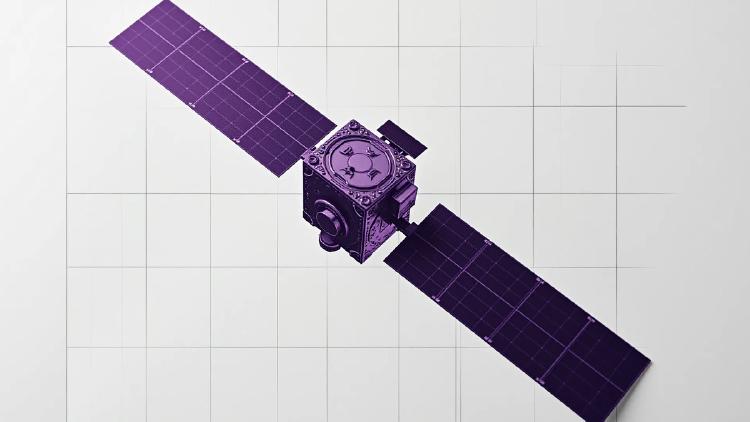
Orbital Plans 10,000 GPU Satellites for AI Inference
a16z-backed Orbital wants to run AI inference from low Earth orbit using NVIDIA Blackwell GPUs, targeting 10,000 satellites and 1 GW of compute at full scale.
They summarize our coverage. We write it.
Newsletters like this one rebroadcast our headlines - often without the full review, the source reading, or the analysis underneath. Our weekly briefing sends the work they paraphrase, straight from the desk, before they get to it.
Free, weekly, no spam. One email every Tuesday. Unsubscribe anytime.
a16z-backed Orbital wants to run AI inference from low Earth orbit using NVIDIA Blackwell GPUs, targeting 10,000 satellites and 1 GW of compute at full scale.

Meta is building tent-style rapid deployment structures at its Ohio Prometheus facility, cutting construction timelines roughly in half and bypassing grid delays with off-grid gas power.

Nvidia's RTX Spark packs 20 Arm CPU cores and a Blackwell 2.0 GPU with 6,144 CUDA cores into a 45-80W Windows laptop chip, targeting Apple Silicon head-on.
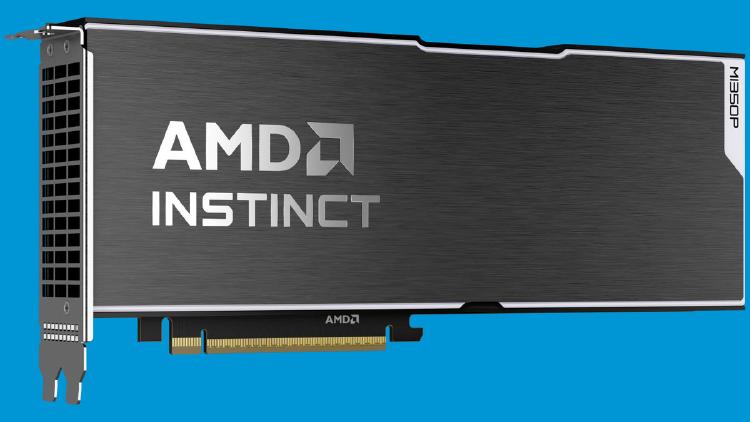
AMD Instinct MI350P brings CDNA 4 to a standard PCIe slot: 144GB HBM3E, 4 TB/s bandwidth, 2.3 PFLOPS MXFP8, and 600W passive cooling for air-cooled servers.
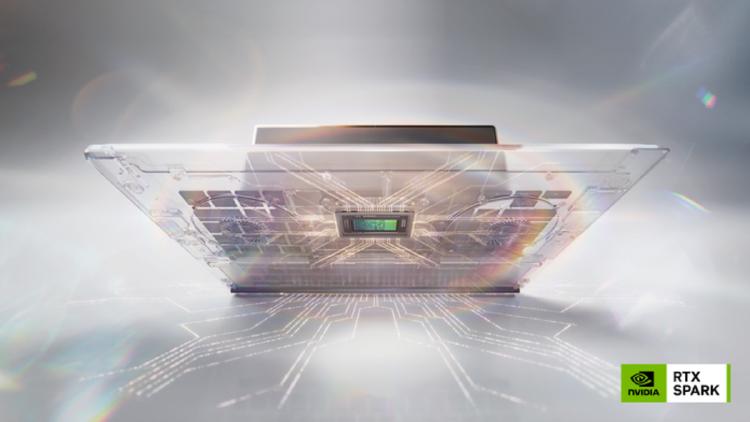
NVIDIA RTX Spark is a 20-core ARM + Blackwell GPU superchip delivering 1 petaFLOP FP4 and 128GB unified memory for AI-first Windows laptops and desktops.
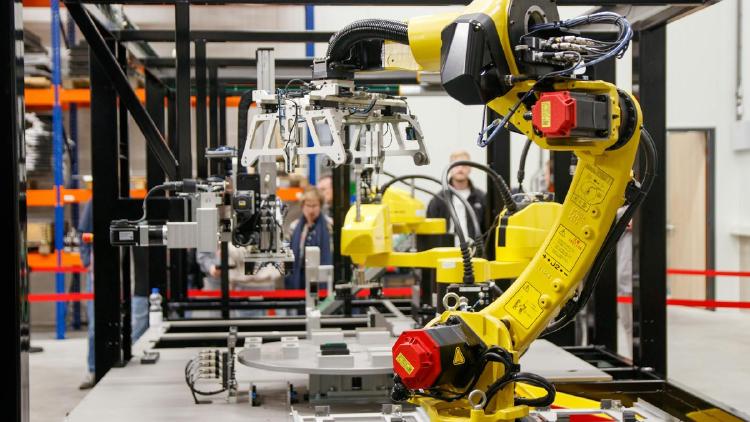
Nvidia's Cosmos 3 is the first fully open omnimodel for physical AI, trained on 20 trillion tokens to teach robots and autonomous vehicles how to reason and act in the real world.
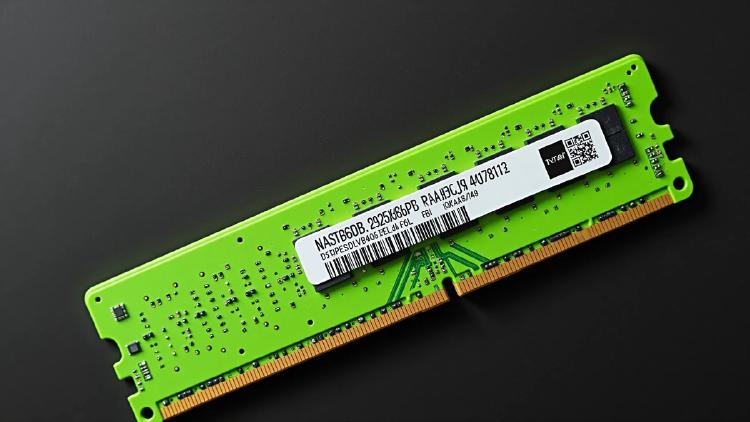
XCENA raises $135M at a $570M valuation to build the MX1 - a CXL 3.2 chip with thousands of RISC-V cores that processes AI workloads where data lives, eliminating costly data transfers between GPU and RAM.

Blackstone commits $5 billion to a new Google joint venture selling TPU compute-as-a-service, directly challenging CoreWeave with Wall Street capital and Google's chip stack.

Qualcomm stock surged 12% to an all-time high on May 22 and is now up 75% in a month, driven by an OpenAI smartphone deal, a Stellantis car contract, and a data center chip push - forcing Wall Street to rethink a company it had written off.
NVIDIA delivered first Vera CPUs to Anthropic, OpenAI, and SpaceX on May 17-19 as Q1 FY2027 earnings hit $81.6B, with $20B in standalone Vera CPU orders on the books for 2026.

Brett Adcock's AI lab Hark has closed a $700M Series A at a $6B valuation before shipping a single product, with chip companies AMD, Intel, Qualcomm, and NVIDIA all backing the bet.

Google unveiled three Android XR smart glasses form factors at I/O 2026, backed by Samsung, XREAL, Warby Parker, and Gentle Monster as launch partners.
