
Claude Opus 4.7
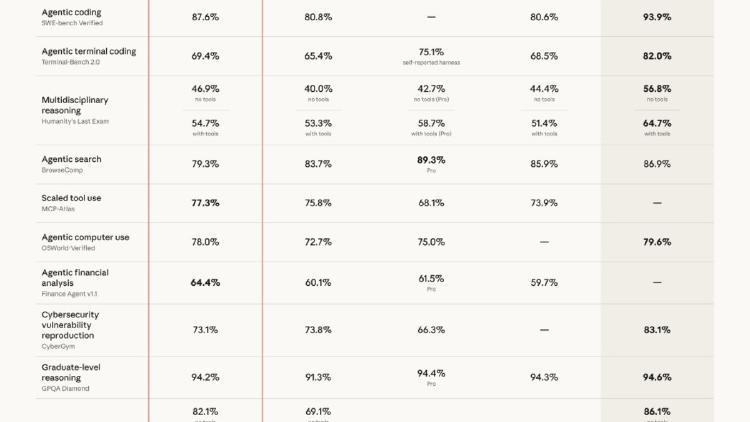
Anthropic's latest flagship model ships with 3x higher resolution vision, a new xhigh effort level, task budgets for cost control, cyber safeguards, and 13% better coding performance at the same $5/$25 pricing.
They summarize our coverage. We write it.
Newsletters like this one rebroadcast our headlines - often without the full review, the source reading, or the analysis underneath. Our weekly briefing sends the work they paraphrase, straight from the desk, before they get to it.
Free, weekly, no spam. One email every Tuesday. Unsubscribe anytime.
Anthropic's latest flagship model ships with 3x higher resolution vision, a new xhigh effort level, task budgets for cost control, cyber safeguards, and 13% better coding performance at the same $5/$25 pricing.
Anthropic releases Claude Opus 4.7 with 3x higher resolution vision, a new xhigh effort level, task budgets for cost control, /ultrareview in Claude Code, and cyber safeguards that automatically block high-risk requests.

GPT Image 1.5 leads Artificial Analysis at 1278 Elo while Nano Banana 2 tops Arena.ai - two leaderboards, two answers, and five new models that reshaped the rankings since March.

Google's new Gemini 3.1 Flash TTS hits Elo 1,211 on the Artificial Analysis leaderboard and introduces 200-plus audio tags for mid-sentence voice control, available in preview today via the Gemini API.
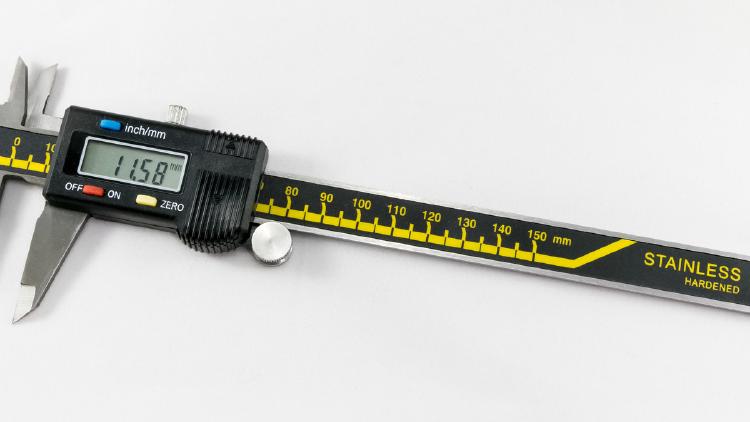
A hands-on comparison of the top AI unit test generation tools in 2026, covering Qodo Gen, GitHub Copilot, Diffblue Cover, Keploy, and Tusk.

Google DeepMind's Gemini Robotics-ER 1.6 hits 93% accuracy reading industrial gauges via agentic vision, a 70-point jump over ER 1.5, and launches inside Boston Dynamics' Spot today.

OpenAI's GPT-5.4-Cyber is a fine-tuned defensive cybersecurity model with binary reverse engineering, lowered refusal thresholds, and restricted access through the Trusted Access for Cyber program.
HappyHorse-1.0 topped the Artificial Analysis Video Arena with a 52-Elo gap over Seedance 2.0 - but the 'open source' model has no public weights, no inference code, and no API.
Claude Mythos Preview is Anthropic's most capable model - restricted to 50 orgs via Project Glasswing, with 93.9% on SWE-bench Verified and thousands of autonomous zero-day discoveries.
NVIDIA Ising is the world's first open AI model family for quantum computing - a 35B MoE VLM for quantum processor calibration and 3D CNN decoders for real-time surface code error correction.

Three new papers: AlphaLab runs autonomous GPU research campaigns, open-weight reasoning models collapse under text reformatting, and HiL-Bench reveals agents can't decide when to ask for help.

UC Berkeley researchers achieved near-perfect scores on eight major AI agent benchmarks without solving a single task, exposing systemic flaws in how the industry measures progress.
