
US Weighs 75K-Chip Cap on Nvidia H200 Sales to China
The Trump administration is considering limiting Chinese companies to 75,000 Nvidia H200 GPUs each - less than half what Alibaba and ByteDance want - while zero chips have shipped despite months of export approvals.
 6 min read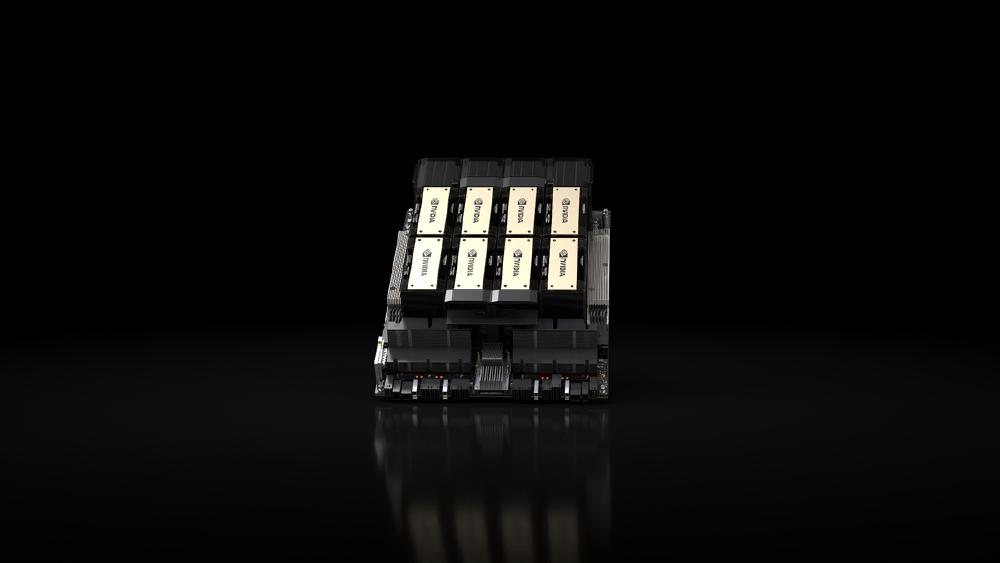
The US government is considering a per-customer cap of 75,000 on Nvidia H200 chip sales to Chinese companies, Bloomberg reported on March 2. AMD's MI325X GPUs with similar compute would count toward the same limit. The number sounds large until you compare it to what buyers actually want - Alibaba and ByteDance have each privately told Nvidia they need significantly more than that.
The Numbers
Key Specs
| Detail | Value |
|---|---|
| Proposed per-customer cap | 75,000 H200 units |
| AMD MI325X | Counts toward same cap |
| Total China export ceiling | ~1 million units |
| H200s shipped to China so far | 0 |
| Chinese firms' collective orders | 2M+ units for 2026 |
| Import duty on approved shipments | 25% |
The H200 is Nvidia's previous-generation data center GPU - not the latest Blackwell architecture, but still the workhorse chip powering the majority of the world's AI training clusters. It packs 141GB of HBM3e memory at 4.8 TB/s bandwidth, roughly six times the compute capability of what the Trump administration had previously authorized for Chinese export. It significantly beats anything Huawei currently produces.
What Chinese Buyers Want vs. What They'd Get
Chinese tech companies have collectively ordered more than two million H200 chips for delivery in 2026, according to Reuters. ByteDance alone plans to spend roughly $14 billion on Nvidia hardware this year. The proposed 75,000-unit ceiling represents less than half of what firms like Alibaba and ByteDance told Nvidia they'd need.
Total shipments to China could still hit about one million units across all customers, but the per-company limit would prevent any single firm from building a truly massive training cluster on Nvidia silicon alone.
The Export Framework So Far
The current rules, established January 13, cap China-bound sales at no more than 50% of H200s sold domestically. Exporters must certify that filling Chinese orders won't delay US customers or divert TSMC foundry capacity. Chinese buyers must show "rigorous" due diligence to ensure the chips avoid military applications.
There's also a 25% import duty and mandatory physical inspection before shipment.
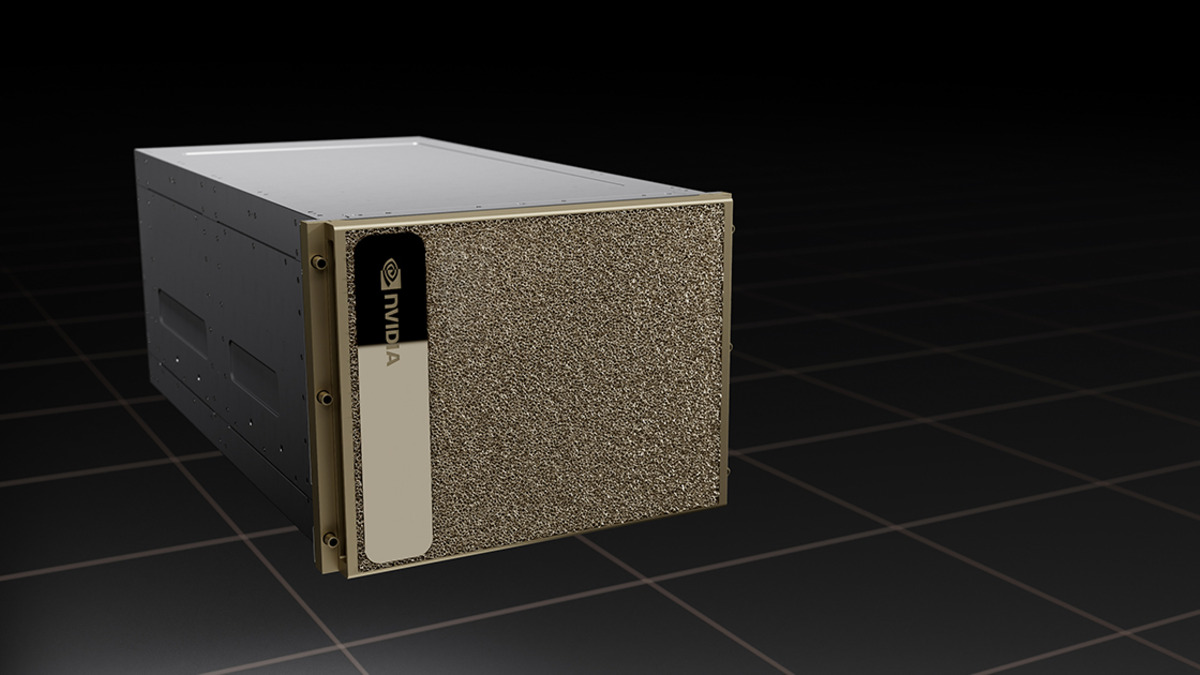 The Nvidia DGX H200 - eight H200 GPUs with 1,128GB total memory and 7.2 TB/s GPU-to-GPU bandwidth. Each unit is now subject to proposed per-customer export caps.
Zero Chips Shipped
Here's the part that makes the 75,000-cap debate somewhat academic: as of late February, zero H200 units have actually reached China.
David Peters, the Commerce Department's assistant secretary for export enforcement, told the House Foreign Affairs Committee on February 24 that "my understanding is that so far, none" have been sold. Nvidia received a license for a "small amount" of exports two days later, but it remains unclear whether Beijing will even allow the shipments through on its end.
"It's still unclear whether Beijing will allow even that limited return," Nvidia acknowledged in its earnings guidance, declining to include any China data center revenue in its first-quarter outlook.
Nvidia, AMD, Alibaba, and ByteDance all declined to comment on the proposed caps, a silence Bloomberg described as "indicating the sensitivity and complexity of the discussions."
The Hardware Gap - And Why It Matters
The per-customer cap is one lever in a broader strategy to keep China's AI compute constrained without completely cutting off a major revenue stream for US chipmakers. The question is whether 75,000 H200s per company is enough to be meaningful for training frontier models.
| Chip | Total Processing Performance | Memory | Bandwidth | Status |
|---|---|---|---|---|
| Nvidia H200 | 15,840 TPP | 141GB HBM3e | 4.8 TB/s | Export-controlled |
| Huawei Ascend 910C | 12,032 TPP | 64GB HBM2e | 3.2 TB/s | Available domestically |
| Huawei Ascend 910B | 5,120 TPP | 64GB HBM2e | 1.6 TB/s | Widely rolled out |
| AMD MI325X | ~15,000 TPP | 288GB HBM3e | 6.0 TB/s | Counts toward H200 cap |
DeepSeek researchers have concluded that Huawei's best chip, the Ascend 910C, performs at roughly 60% of the H100 level in real-world AI training workloads - and the H200 is faster still. Huawei's Atlas 950, just unveiled at MWC Barcelona, aims to close that gap, but it won't ship at scale until later this year.
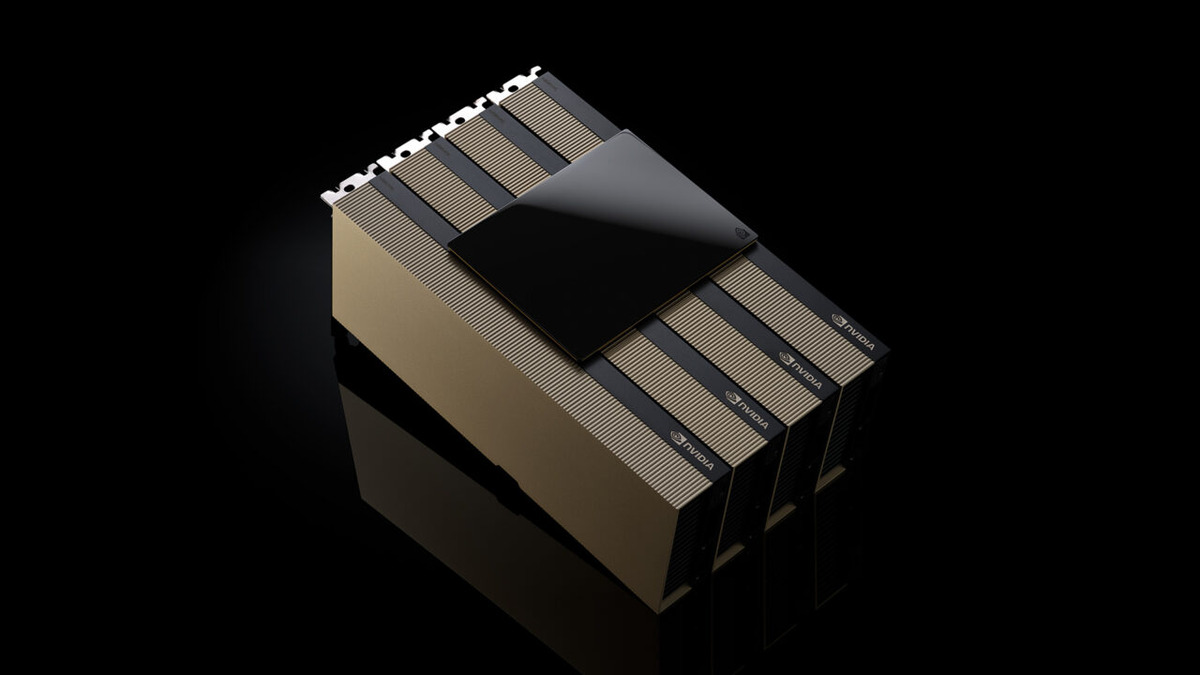 The H200 NVL - Nvidia's PCIe form factor for the H200, delivering 141GB of HBM3e memory. Chinese firms collectively ordered over two million of these for 2026.
In parallel, DeepSeek has deliberately excluded Nvidia and AMD from its upcoming V4 model's optimization pipeline, building its inference stack on Huawei Ascend and Cambricon chips instead. The move signals that at least one major Chinese AI lab is already designing around the assumption that US hardware won't always be available.
Why the CFR Calls It "Strategically Incoherent"
The Council on Foreign Relations published a blunt assessment of the broader H200 export framework. The core contradiction: the regulation acknowledges that exporting advanced AI chips to China poses serious national security risks while simultaneously creating a pathway to permit their sale.
The CFR analysis estimated that allowing roughly one million H200 chips into China could increase the country's domestic AI compute capacity by 250% annually - potentially enabling what it called "the largest AI data center in the world." It also noted that likely purchasers include Alibaba, Tencent, and DeepSeek, all with documented connections to China's military establishment. Tencent is officially designated by the Department of Defense as a "Chinese Military Company."
What To Watch
 Data center infrastructure - the kind of facility that Chinese tech giants need to fill with GPUs for AI training at scale.
The proposed 75,000-unit cap hasn't been finalized. The Commerce Department is still deliberating, and the timing matters. China's National People's Congress opened this week with a 15th Five-Year Plan that puts $70 billion in semiconductor subsidies central to its tech strategy. Any tightening of US export rules will land on a market already building alternative supply chains.
Three things to track:
- Whether any H200s actually ship. Approval on paper means nothing until silicon crosses borders. Beijing's willingness to accept shipments under US conditions isn't guaranteed.
- Huawei's Ascend 950 timeline. If Huawei delivers competitive silicon in 2026, Chinese buyers' appetite for export-controlled Nvidia chips drops. The leverage shifts.
- Nvidia's revenue guidance. The company has already excluded China data center revenue from Q1 forecasts. If the cap holds at 75K per customer, the ceiling on China revenue becomes calculable - and it's well below what Wall Street had priced in.
The chip export saga has become an exercise in contradictions. Washington wants to constrain China's AI ambitions without alienating the US semiconductor industry. China wants cutting-edge silicon but is building backup plans in case it can't get it. And Nvidia is caught in the middle, holding export licenses for chips that haven't moved. The 75,000-unit cap, if adopted, would be the latest attempt to thread a needle that keeps getting narrower.
Sources:
- Bloomberg: US Considers Capping Nvidia H200 Chips at 75,000 per Chinese Customer
- Bloomberg: Nvidia Has Sold Zero H200s to China, Top US Export Enforcer Says
- South China Morning Post: US Considers Capping Nvidia H200 Sales at 75,000 per Chinese Customer
- CFR: The New AI Chip Export Policy to China - Strategically Incoherent and Unenforceable
- CNBC: Nvidia Still Hasn't Sold Its US-Approved China AI Chips
- ChinaTechNews: US Considers Limiting Nvidia H200 Sales to Chinese Customers
- Tom's Hardware: Nvidia Prepares H200 Shipments to China
