
Supermicro SVP Charged in $2.5B Nvidia Chip Scheme
Federal prosecutors indicted Supermicro's co-founder and SVP along with two associates for smuggling $2.5 billion in Nvidia AI accelerator servers to China using fake hardware and stripped serial numbers.
 7 min read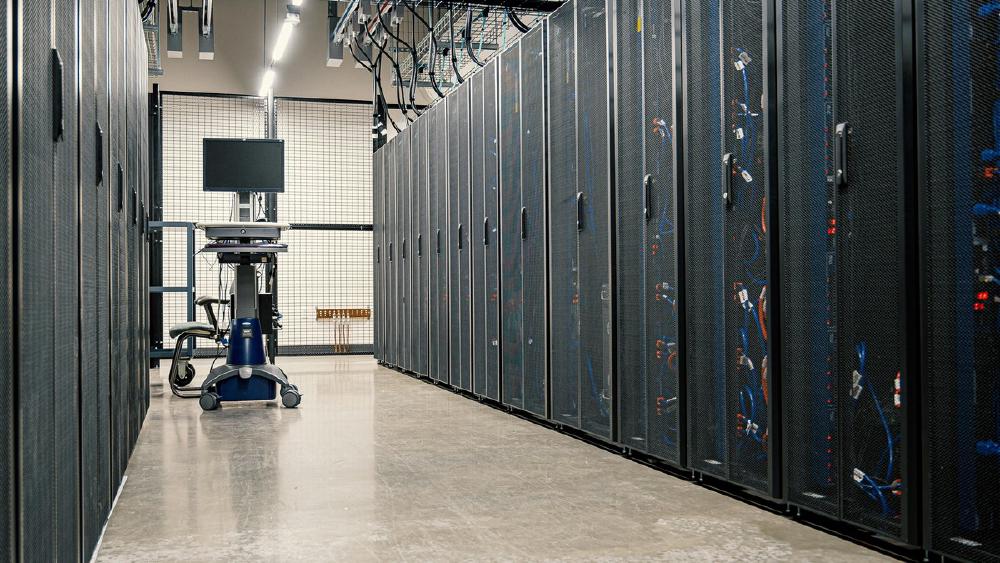
On March 19, 2026, federal agents arrested Yih-Shyan "Wally" Liaw - co-founder of Super Micro Computer and its Senior VP of Business Development - on charges of conspiring to smuggle roughly $2.5 billion worth of Nvidia AI accelerator servers to China. Two associates were also charged: Ruei-Tsang "Steven" Chang, general manager at Supermicro's Taiwan office, and Ting-Wei "Willy" Sun, a third-party broker. The indictment was unsealed March 20 in Manhattan federal court.
TL;DR
- Supermicro co-founder Wally Liaw and two associates face up to 20 years for export control violations
- Defendants allegedly routed $2.5B in Nvidia AI servers through a Southeast Asian shell company to Chinese end-users
- The scheme used warehouses full of non-functional dummy servers to fool Supermicro's own auditors and U.S. Department of Commerce inspectors
- Employees used hair dryers to strip serial number stickers from real servers, then applied them to the fakes left behind
- Supermicro stock dropped roughly 28-33% after the indictment unsealed, erasing around $6 billion in market cap
Who Was Charged
Wally Liaw - The Insider
Liaw, 71, is one of Supermicro's original co-founders, having helped start the company in 1993 in San Jose. He joined its board of directors in 2023. As SVP of Business Development, he had direct access to the company's compliance infrastructure and customer relationships - making him the critical enabler of what prosecutors describe as a years-long diversion operation.
He was arrested in California and released on bail. Supermicro announced he was placed on administrative leave right away after the unsealing.
The Taiwan Connection
Chang, 53, ran Supermicro's Taiwan sales operation and remains a fugitive. Sun, 44, acted as the scheme's logistics coordinator - what the DOJ called a "fixer" - managing the shell company relationships and physical movement of servers. Sun was arrested and held pending a bail hearing. Supermicro ended its relationship with Sun upon the indictment's release.
How the Scheme Worked
The indictment describes a three-layer operation designed to pass both internal Supermicro audits and external inspections by U.S. Department of Commerce officials.
The Shell Company Layer
Defendants allegedly established a pass-through entity in Southeast Asia (the country isn't named in DOJ documents - only "Company-1 based in Southeast Asia"). This company placed legitimate-looking orders with Supermicro, providing false end-user documentation claiming the servers would remain in the region. On paper, nothing crossed into China.
The Dummy Server Warehouse
The Southeast Asian warehouse kept a large inventory of non-functional server shells - physically identical chassis with no working components inside. When auditors visited to verify that servers were still on-site, these hollow units were staged in racks, matching the expected quantities. Real, functioning servers had already been repackaged and shipped onward.
The timing of the scheme's peak activity is remarkable: between late April and mid-May 2025, $510 million worth of servers moved through this channel in roughly six weeks.
The Label Swap
The most operationally precise part of the scheme was also the most hands-on. Surveillance footage documented employees using heat guns - described in the indictment as hair dryers - to soften adhesive on serial number stickers and regulatory labels. They peeled the labels off real servers bound for China and applied them to the hollow dummy units left in the warehouse. When auditors scanned barcodes or cross-referenced serial numbers, everything matched.
The sequence looked something like this:
1. Real servers arrive at SE Asia warehouse
2. Serial number/compliance labels heated and removed from real units
3. Labels applied to dummy shells staged in racks
4. Real servers repackaged into unmarked boxes
5. Unmarked shipments forwarded to Chinese end-users
6. Auditor visit: scans dummy rack, serial numbers check out, audit passes
All coordination reportedly ran through encrypted messaging platforms.
 Supermicro server infrastructure hardware. The company is one of the largest ODM suppliers of AI accelerator servers globally.
Source: pexels.com
Supermicro server infrastructure hardware. The company is one of the largest ODM suppliers of AI accelerator servers globally.
Source: pexels.com
The Charges
All three defendants face the same three counts:
| Defendant | Role | Status | Max Sentence |
|---|---|---|---|
| Yih-Shyan "Wally" Liaw | Co-founder, SVP Business Dev | Arrested, released on bail | 25 years total |
| Ruei-Tsang "Steven" Chang | GM, Taiwan office | Fugitive | 25 years total |
| Ting-Wei "Willy" Sun | Third-party broker/fixer | Arrested, held | 25 years total |
Each count:
- Conspiracy to violate the Export Controls Reform Act (ECRA): up to 20 years
- Conspiracy to smuggle goods from the United States: up to 5 years
- Conspiracy to defraud the United States: up to 5 years
The underlying regulatory framework is the Bureau of Industry and Security's Export Administration Regulations (EAR). U.S. restrictions on advanced AI chips to China have been in force since October 2022, originally issued under the Biden administration. The chips involved are described in DOJ documents only as "advanced AI accelerator GPUs" - secondary reporting identified them as Nvidia Blackwell (B200) and Hopper (H200) series hardware, though Nvidia is not named as a defendant.
How $2.5 Billion Moves Without Triggering Alarms
The scale here deserves some unpacking. Supermicro is one of the world's largest ODM suppliers of AI server infrastructure. Its products ship in quantities that make per-unit auditing impractical. The company's own compliance team was fooled by the dummy warehouse for long enough that the scheme built up $2.5 billion in total orders and got $510 million of hardware into China in a single six-week sprint.
The DOJ charged the defendants with defrauding Supermicro's compliance team alongside defrauding the U.S. government - positioning the company as a victim of the insider scheme rather than a culpable party. Supermicro isn't named as a defendant. Whether that framing holds up depends on what discovery uncovers about what senior management knew about the Southeast Asian pass-through relationship.
"Schemes such as this pose a direct threat to US national security," said Jay Clayton, U.S. Attorney for the Southern District of New York, in the DOJ's statement.
This indictment lands in a context where U.S. chip export enforcement has tightened considerably. The Biden-era October 2022 rules set the initial controls. Later rounds of export restrictions, including new global permit requirements for Nvidia hardware, have pushed Chinese entities to seek chips through any available channel. The Nvidia H200 China orders controversy at GTC 2026 showed how publicly companies were willing to discuss China demand just weeks before this indictment dropped.
 The indictment was unsealed March 20, 2026 in Manhattan federal court (SDNY). All three defendants face up to 25 years in combined charges.
Source: pexels.com
The indictment was unsealed March 20, 2026 in Manhattan federal court (SDNY). All three defendants face up to 25 years in combined charges.
Source: pexels.com
Where It Falls Short
The indictment is detailed and the evidence - surveillance footage, encrypted messages, the physical label-swapping process - sounds sizable. But there are real gaps in what's known.
The Southeast Asian country housing the shell company isn't named. The specific Chinese end-users who received the servers aren't identified. And the key question - how Liaw allegedly coordinated with Chang and Sun while maintaining Supermicro's internal compliance paperwork - isn't addressed in the public-facing documents.
The company itself faces an uncomfortable audit: its own compliance team was deceived by dummy hardware in its own supply chain. That's a serious internal controls failure regardless of whether criminal charges ever touch the corporate entity. Supermicro has been under scrutiny since Hindenburg Research's 2024 allegations and Ernst & Young's later resignation as auditor in October 2024. This indictment adds another layer of legal and reputational exposure.
Supermicro's stock response was immediate - roughly 28-33% wiped in a single session, erasing around $6 billion in market cap. Institutional investors will want to understand how long the scheme ran before internal compliance caught it (apparently it didn't), and whether the Southeast Asian pass-through entity had been flagged at any point in prior audits.
The DeepSeek Nvidia Blackwell banned chip situation showed that demand for restricted hardware in China hasn't gone away. This case suggests the supply has been finding a way through regardless of the controls on paper. For hardware-focused readers, the structural lesson is straightforward: at enterprise scale, serial number audits and paperwork checks aren't sufficient - the dummy server technique worked precisely because it satisfied both.
Sources: DOJ Press Release - Al Jazeera - CNBC - The Register - Fortune - NBC News

