
Shield AI Raises $2B at $12.7B in Defense AI Bet
Shield AI closed a $2B raise at a $12.7B valuation, more than doubling from $5.3B a year ago, to fund its Hivemind autonomous pilot software and acquire Pentagon simulation vendor Aechelon Technology.
 6 min read
Defense autonomy startup Shield AI announced a $2 billion capital raise on Thursday at a $12.7 billion post-money valuation - the largest fundraise in defense AI to date - with an acquisition of Aechelon Technology, the company that runs simulation infrastructure for the Pentagon's Joint Simulation Environment.
The round doubles Shield AI's valuation from $5.3 billion just twelve months ago. For context: in 2022, Shield AI was worth $2.3 billion. The path is steep enough to make traditional defense primes uncomfortable.
TL;DR
- $2B total: $1.5B Series G led by Advent International and JPMorgan, plus $500M preferred equity from Blackstone with a $250M delayed draw
- Valuation jumped from $5.3B to $12.7B in 12 months - a 2.4x step-up
- Picking up Aechelon Technology, the simulation vendor powering the Pentagon's Joint Simulation Environment (JSE)
- Launching the Hivemind Foundation Model for Defense - a pre-trained AI pilot model that can be fast adapted to new aircraft
The Structure
The capital raise has two components. The $1.5 billion Series G is priced equity led by Advent International, with JPMorgan's Security and Resiliency Initiative co-leading. Advent Chairman David Mussafer joins Shield AI's board; JPMorgan executive Todd Combs joins as a board observer. Existing backers including Snowpoint Ventures, InnovationX, and Andreessen Horowitz affiliate Riot Ventures participated.
The $500 million preferred equity comes from Blackstone, with an additional $250 million delayed draw facility available for future use. Preferred equity sits above common stock in the capital structure - Blackstone gets a fixed return, not unlimited upside. That structure signals Blackstone is treating this less as a growth bet and more as a credit investment in a company with visible government revenue.
| Round | Date | Amount | Valuation | Lead Investors |
|---|---|---|---|---|
| Series D | Jun 2022 | $165M | $2.3B | Andreessen Horowitz |
| Series E | Oct 2023 | $200M | $2.7B | Boeing, Point72 |
| Series F-1 | Mar 2025 | $240M | $5.3B | L3Harris, Hanwha |
| Series G + Preferred | Mar 2026 | $2B | $12.7B | Advent, JPMorgan, Blackstone |
Bloomberg had reported in February that Shield AI was seeking $1 billion at a $12 billion valuation. The company closed at twice that figure - a sign of strong institutional demand for defense AI exposure.
What Shield AI Actually Does
Shield AI was founded in 2015 by Brandon Tseng, a former Navy SEAL, after his unit took casualties from poor reconnaissance in Uruzgan province, Afghanistan. The company builds Hivemind, an AI autonomy stack that acts as an AI pilot - enabling drones and aircraft to sense, decide, and act without GPS, communications, or human intervention.
Hivemind has been demonstrated on 26 vehicle classes, including F-16s, MQ-20 Avengers, and BQM-177A target drones. In February 2026, it was selected as the mission autonomy provider for the US Air Force's Collaborative Combat Aircraft (CCA) program, integrated into Anduril's YFQ-44A "Fury" uncrewed aircraft.
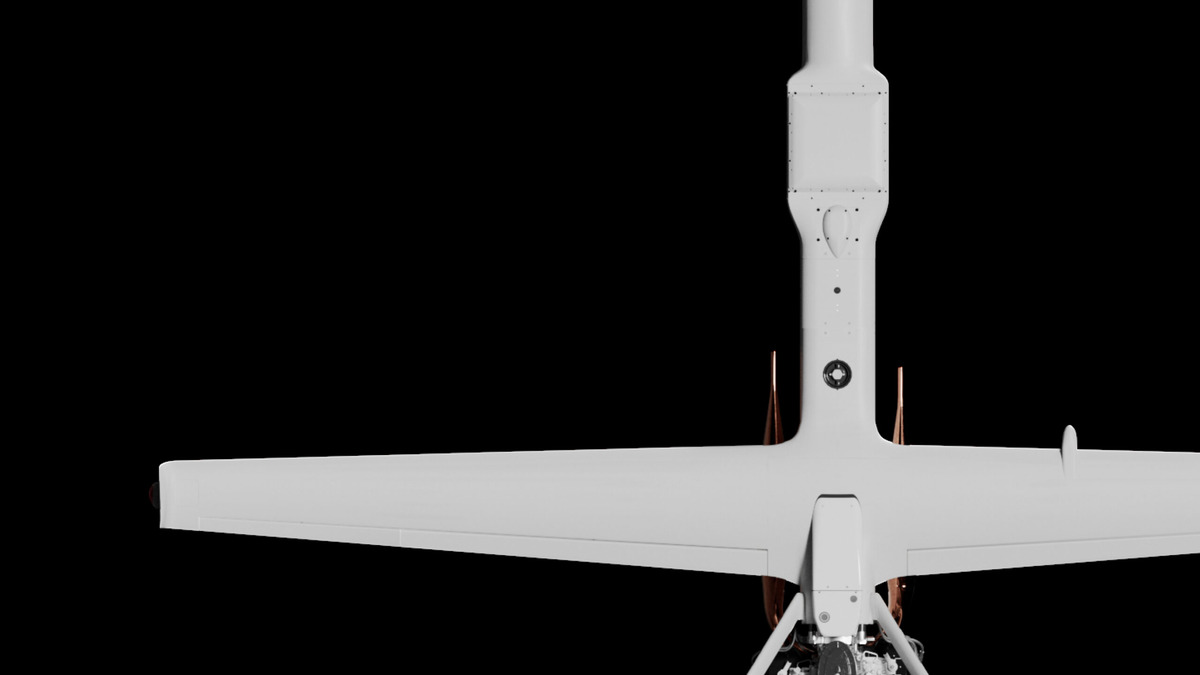 The V-BAT, Shield AI's VTOL intelligence drone, operates without GPS or communications links in contested environments.
Source: shield.ai
The V-BAT, Shield AI's VTOL intelligence drone, operates without GPS or communications links in contested environments.
Source: shield.ai
The company also produces smaller platforms: the Nova and Nova 2 use lidar-based navigation in GPS-degraded environments and have seen actual combat deployment - the Wall Street Journal described Nova as "the first autonomous robot of its kind used in combat."
The new Hivemind Foundation Model for Defense announcement pairs with this raise. The idea is a base AI pilot model, pre-trained in simulation and refined on real operational data, that can be rapidly adapted to new aircraft. Think of it as the same transfer-learning approach that made large language models broadly deployable - applied to autonomous flight.
The Aechelon Acquisition
The simultaneous acquisition of Aechelon Technology is where the strategy gets concrete. Aechelon, owned by private equity firm Sagewind Capital, has spent roughly 30 years building high-fidelity flight simulators and physics-based sensor training environments. Its main product is the Synthetic Reality (SR) platform.
More relevant: Aechelon provides the simulation technology for the Pentagon's Joint Simulation Environment, the primary US military environment for confirming next-generation autonomous aircraft before live deployment. When Shield AI picks up Aechelon, it gains direct access to that infrastructure - the same environment the DoD uses to certify autonomous systems for combat.
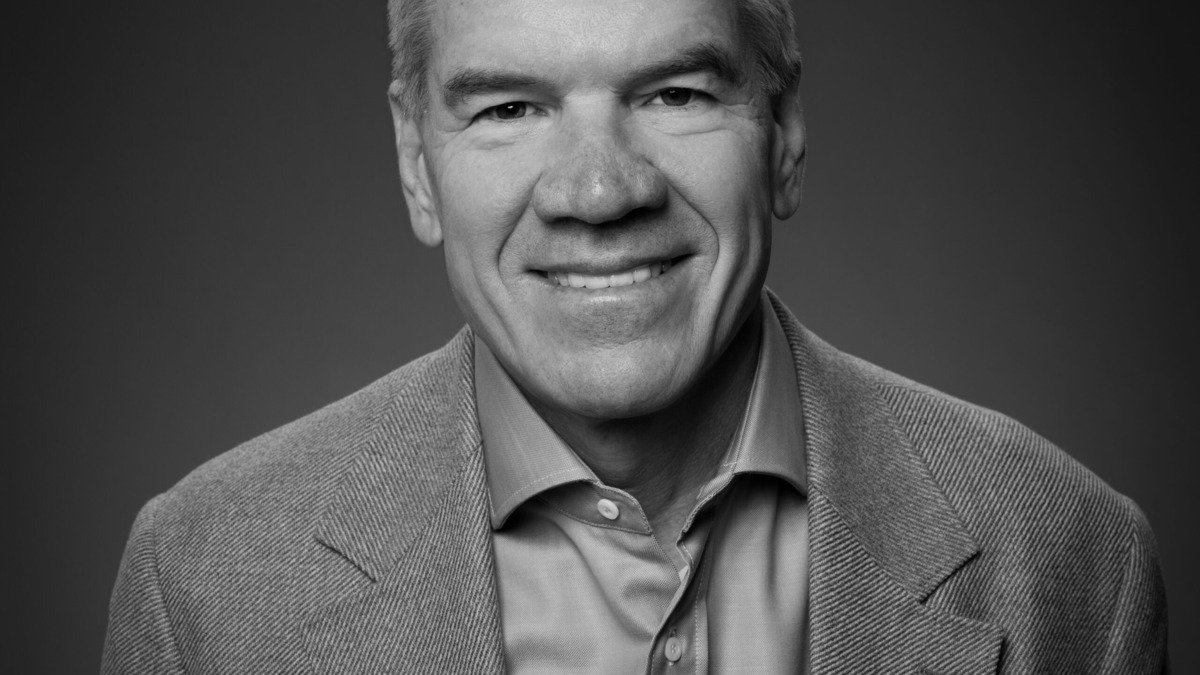 Gary Steele took over as Shield AI CEO in 2025 after joining from Cisco.
Source: shield.ai
Gary Steele took over as Shield AI CEO in 2025 after joining from Cisco.
Source: shield.ai
"The acquisition of Aechelon will accelerate the work we are doing with Hivemind, particularly in simulation like the Department of War's JSE," said Shield AI CEO Gary Steele, who joined from Cisco last year, replacing co-founder Ryan Tseng.
Aechelon CEO Ignacio Sanz-Pastor will report to Steele and maintain operational independence. Financial terms of the acquisition were not disclosed. The deal requires customary regulatory approvals.
Who Benefits
Shield AI gets the obvious benefits: capital to fund X-BAT development (its next-generation autonomous fighter), faster Hivemind Foundation Model training, and the simulation assets to train and certify AI pilots at scale. The JSE access is especially valuable - it shortens the certification cycle for getting Hivemind-powered aircraft into active deployments.
The US military gets a better-funded, more vertically integrated autonomy vendor at a moment when the CCA program - which aims to pair crewed fighters with autonomous wingmen - is accelerating. The February 2026 CCA selection signaled that autonomous aircraft is moving from demonstration to procurement.
Advent International and JPMorgan are positioning early in a sector where defense budgets are rising and traditional defense contractors are scrambling to add AI credibility. The valuation multiple still looks modest compared to commercial AI companies given Shield AI's contracted government revenue.
Blackstone is collecting a fixed return on a company with visible DoD contracts. That's a credit product dressed as equity. The $250 million delayed draw facility suggests Blackstone expects Shield AI to need follow-on capital - and wants preferred priority when it does.
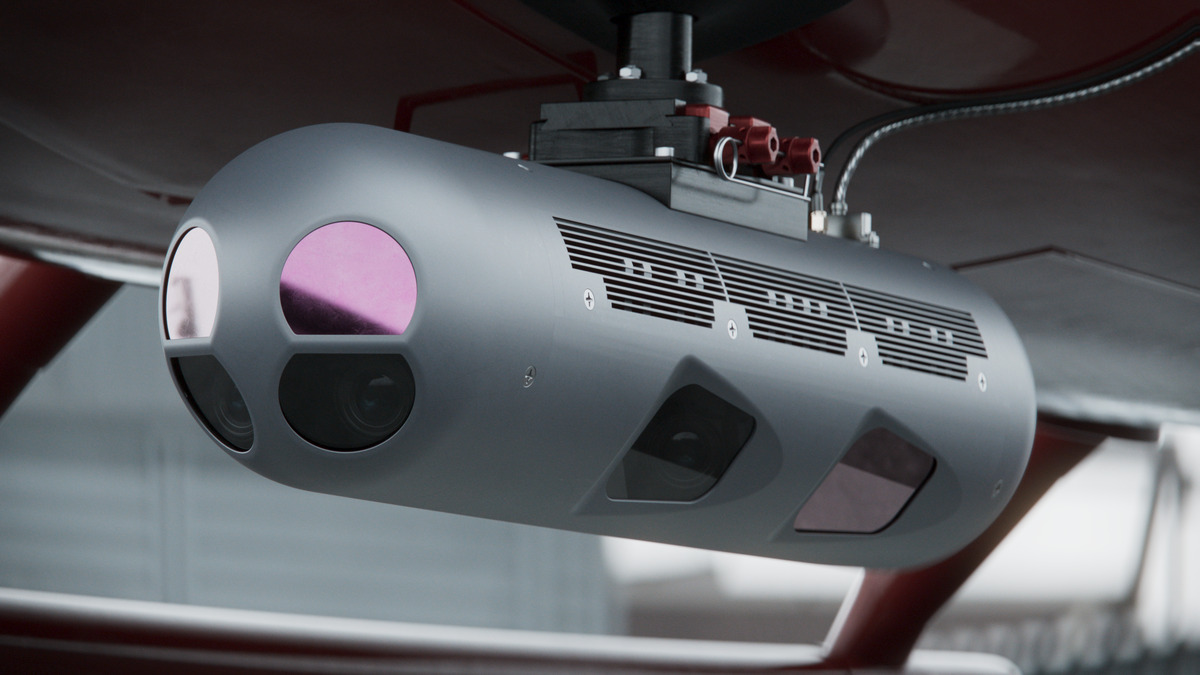 A Hivemind autonomy demonstration. The software has now been tested on 26 vehicle classes.
Source: shield.ai
A Hivemind autonomy demonstration. The software has now been tested on 26 vehicle classes.
Source: shield.ai
Who Pays
The actual cost of this bet falls on several parties.
US taxpayers fund the DoD contracts that underpin Shield AI's revenue. Defense AI isn't a consumer market - it runs on appropriations. The CCA program, the contracts for V-BAT deployments, the simulation work with Aechelon: these are government line items. The $12.7 billion valuation is ultimately a bet on the size of future defense budgets.
Traditional defense primes face a slower displacement. Lockheed Martin and Northrop Grumman have AI programs, but they don't have a foundation model trained on actual combat deployments. Shield AI's vertical integration - software stack, purpose-built aircraft, now simulation infrastructure - is the kind of position that's expensive to copy from scratch. The defense contractor market has been shifting for two years; this raise accelerates that.
Allied governments are also potential customers. Shield AI has offices in Abu Dhabi, Kyiv, and Melbourne. The Destinus (European hypersonic) partnership and the Hanwha (South Korean) participation in the prior round suggest active expansion into NATO and Indo-Pacific defense markets. China adding Shield AI to its Unreliable Entities list in April 2025 - which Shield AI acknowledged with apparent pride - confirms that both sides understand what's at stake.
The geopolitical context matters here. As coverage of AI funding rounds shows, capital is increasingly explicit about defense exposure. JPMorgan's "Security and Resiliency Initiative" participating as a co-lead is the investment bank making a public statement about the sector, not just writing a check quietly.
Shield AI now sits at $12.7 billion on the strength of autonomous systems software, a portfolio of real deployments, and Aechelon's simulation infrastructure - and the bet is that whoever controls the AI pilot layer of the US military's future aircraft fleet controls one of the most durable government technology franchises of the next decade.
Sources: Shield AI press release, Sagewind Capital press release, TechFundingNews (Feb 13 reporting), AI Journal

