
Reflection AI Locks $6.3B Compute Deal With SpaceX
The AlphaGo co-founder's open-source AI lab will pay SpaceX $150M monthly for Nvidia GB300 chips at Colossus 2, totaling $6.3B before shipping a single public model.
 Updated
6 min read
Updated
6 min read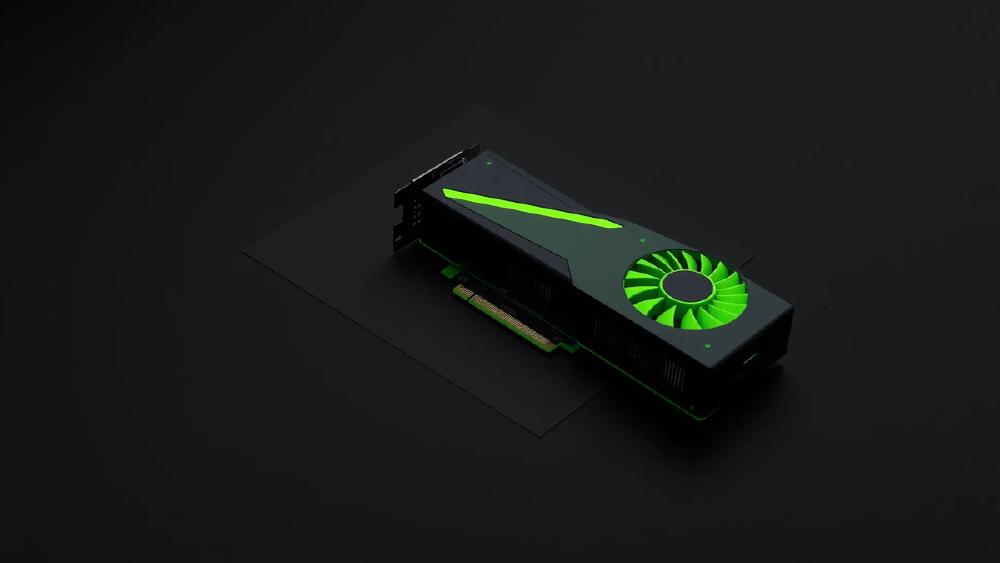
Reflection AI will pay SpaceX $150 million a month starting July 1, for access to Nvidia GB300 chips at the Colossus 2 data center near Memphis, Tennessee. The contract runs through 2029, totaling $6.3 billion. Either party can exit with 90 days' notice after the first three months.
The deal places Reflection on an increasingly expensive roster of SpaceX compute customers, alongside Anthropic at $1.25 billion a month and Google at $920 million a month. It also raises a question that no amount of credential-dropping fully answers: how does a company with no public model justify this level of commitment?
TL;DR
- Reflection AI commits $150M/month to SpaceX for GB300 chips at Colossus 2, totaling $6.3B through 2029
- SpaceX's total committed AI compute revenue now beats $80 billion
- Nvidia invested $800M in Reflection and supplies the chips Reflection will run on - circular capital at scale
- Reflection hasn't released a public frontier model despite operating since March 2024
What Colossus 2 Actually Is
SpaceX's Colossus 2 facility near Memphis holds approximately 555,000 Nvidia GPUs purchased for roughly $18 billion. The data center was originally built by xAI - Elon Musk's AI company - before xAI merged into SpaceX earlier this year, consolidating the research lab's hardware under SpaceX's commercial roof.
The GB300 Hardware
The chips Reflection is buying time on are Nvidia's GB300, part of the Blackwell Ultra generation. Getting immediate, dedicated access at Colossus 2 scale is the deal's core appeal. Building equivalent capacity from scratch would require years of ordering, delivery queues, and physical infrastructure build-out. Reflection is skipping all of that by writing a very large check.
SpaceX as Compute Landlord
SpaceX now has more than $80 billion in committed AI compute revenue through 2029. A company better known for rocket launches has become one of the most significant AI infrastructure providers in the country. The Colossus facilities, built for xAI's own research, are now a commercial product with a growing client list.
| Customer | Monthly Cost | Contract Basis |
|---|---|---|
| Anthropic | $1.25B | Through May 2029 |
| $920M | Multi-year | |
| Reflection AI | $150M | Through 2029 |
| Cursor | Undisclosed | Undisclosed |
Inside Reflection AI
Reflection AI was founded in March 2024 by two former Google DeepMind researchers. Ioannis Antonoglou was DeepMind's sixth researcher - he worked on DQN, AlphaGo, AlphaZero, and MuZero before leaving to start his own lab. Misha Laskin led reward modeling for Gemini's post-training work at DeepMind. Together they left one of the most credentialed AI labs on the planet to build what they're calling "American open intelligence."
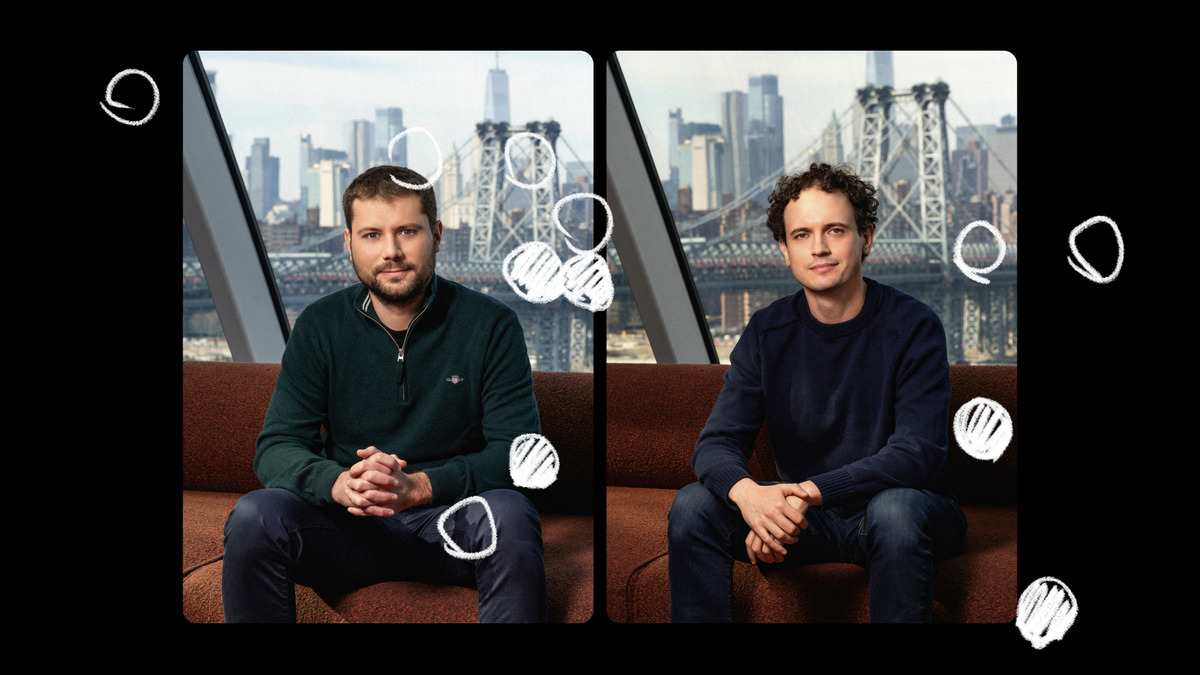 Reflection AI co-founders Misha Laskin (left) and Ioannis Antonoglou (right).
Source: sequoiacap.com
Reflection AI co-founders Misha Laskin (left) and Ioannis Antonoglou (right).
Source: sequoiacap.com
The Funding Trajectory
Reflection emerged from stealth in March 2025 with $130 million at a $545 million valuation. Seven months later, it closed a $2 billion Series B at an $8 billion valuation. By March 2026, the company was reportedly raising again at close to $20 billion. The valuation cited by sources in June is $25 billion. Nvidia has invested $800 million.
That arc compresses what took most AI labs several years into about 15 months of disclosed financing rounds.
The Open Intelligence Pitch
Reflection's positioning centers on the risks of closed AI. A company representative stated: "Recent events highlight how important open source is to the AI ecosystem, with more nations and enterprises recognizing the risks" of closed-source dependency. That framing gained traction after the Trump administration's restrictions on Anthropic's model exports showed concretely how much sovereign risk comes with depending on proprietary systems. In May 2026, Reflection formalized that angle with a partnership with the U.S. Department of Energy's Genesis Mission.
Antonoglou put the ambition directly: "All the necessary components to build a superintelligent agent that can have an impact in the real world are there."
Nvidia's Circular Trade
The most structurally interesting aspect of this deal is Nvidia's position in it. Nvidia invested $800 million in Reflection AI. Those funds will partly flow back to SpaceX as monthly compute payments, for access to Nvidia GB300 chips that SpaceX purchased at significant cost. Nvidia is simultaneously Reflection's investor, Colossus 2's hardware supplier, and an indirect beneficiary of any models Reflection trains on its silicon.
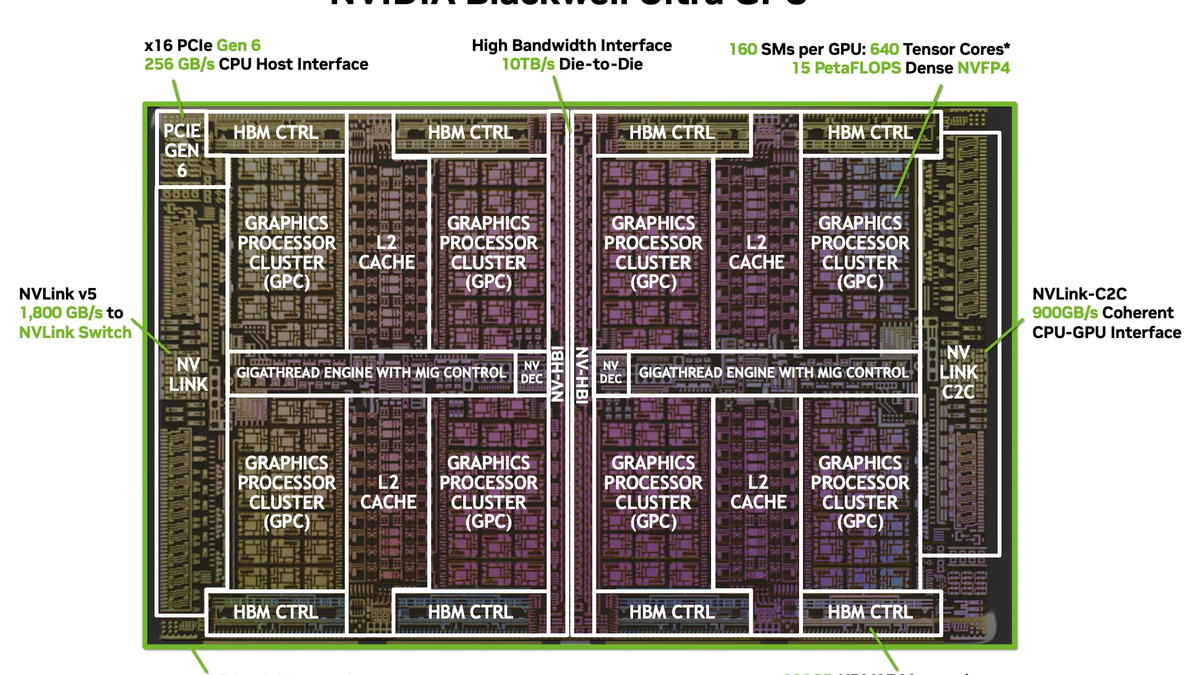 The Nvidia GB300 Blackwell Ultra GPU powering Colossus 2.
Source: developer.nvidia.com
The Nvidia GB300 Blackwell Ultra GPU powering Colossus 2.
Source: developer.nvidia.com
This kind of circular capital structure - chipmaker invests in customer, customer rents chips from chipmaker's other customer - isn't unique to AI. At this scale, with Nvidia invested $800 million in the company renting Nvidia hardware from a third party, the design is worth noting.
Where It Falls Short
Signing a $6.3 billion compute contract before shipping a public model is a specific kind of bet, and it carries specific risks.
No model record. Reflection's only named product is Asimov, a code comprehension agent for enterprise codebases. As of June 2026, Asimov remains on a waitlist. No frontier open-weight model has been released publicly. Laskin has described the product philosophy as: "It's really not a model, it's a system. So it's a model coupled to a product that solves real problems for our customer." Whether that framing reflects a deliberate build strategy or a timeline that's stretched beyond early projections isn't clear from the outside.
Valuation pressure. At $25 billion, Reflection is valued higher than Anthropic was for most of 2025. The market is pricing in a frontier open-weight model that substantially advances the state of the art. The Colossus 2 deal provides the compute to train it. It doesn't guarantee the model will be competitive with Llama 4 or DeepSeek when it lands.
The 90-day floor. The termination clause after three months provides an exit ramp, but walking away would leave Reflection without a compute strategy and SpaceX with capacity to refill quickly. That dynamic keeps the deal structurally intact even if early training runs disappoint both parties.
SpaceX's earlier compute agreements with Anthropic and Google established that Colossus can serve major closed-model labs. The Reflection deal extends that to open-source AI at a smaller but major scale. The concrete milestone to watch is whether Reflection ships a public frontier model before its $25 billion valuation meets its next round.
Sources:
- TechCrunch: SpaceX inks compute deal with Reflection AI, an open source AI lab
- CNBC: SpaceX signs computing power deal with open-source AI startup Reflection worth up to $6.3 billion
- Tech Funding News: SpaceX lands $6.3B compute deal with Reflection AI and Nvidia is on both sides
- Sequoia Capital: Reflection AI Spotlight
- Axios: Open-source AI startup Reflection locks in SpaceX compute with Nvidia chips
Last updated

