
Reflection AI Buys $1B More Nvidia Compute From Nebius
Nebius will sell Reflection AI over $1 billion in Nvidia GB300 compute through 2029, the open-source AI lab's second billion-dollar infrastructure deal in three weeks.
 5 min read
Reflection AI has not shipped a public frontier model yet. It has now committed more than $7 billion to renting the chips to build one.
Nebius Group agreed to sell the open-source AI startup over $1 billion in computing capacity, running through 2029, the companies confirmed on July 14. The deal gives Reflection access to Nvidia's GB300 chips, the same hardware it locked up last month in a separate $6.3 billion agreement with SpaceX. Nebius shares climbed almost 3% in premarket trading on the news, clawing back part of a 4.16% drop from the prior session that had closed the stock at $210.51.
TL;DR
- Nebius will supply Reflection AI with over $1 billion in Nvidia GB300 compute capacity through 2029
- It's Reflection's second billion-dollar infrastructure deal in three weeks, after a $6.3B agreement with SpaceX in June
- Nvidia holds an equity stake in both companies involved in this transaction
- Reflection is reportedly in talks to raise $2.5 billion at a $25 billion valuation, per the Wall Street Journal
- Wall Street rates Nebius a Moderate Buy with a $252.86 price target
The Money Behind the Chips
Reflection was founded in 2024 by Ioannis Antonoglou and Misha Laskin, two researchers who left Google DeepMind after working on AlphaGo, AlphaZero, and Gemini. The company builds open-weight models it pitches as alternatives to closed systems from OpenAI and Anthropic, and it has raised money on that premise rather than on shipped products. Neither the SpaceX deal nor the Nebius deal comes with a named model attached.
"The need for open models is clear, and this additional compute capacity will allow Reflection to continue to build and train frontier AI models at scale," said Ioannis Antonoglou, Reflection's chief technology officer and co-founder.
The two infrastructure deals differ in structure. The SpaceX arrangement runs at roughly $150 million a month through 2029, giving Reflection dedicated capacity at SpaceX's Colossus 2 data center in Memphis. The Nebius deal is a flat capacity purchase over the same timeframe, without a disclosed monthly rate, but it draws on the same Nvidia GB300 hardware generation.
| SpaceX Deal (June 2026) | Nebius Deal (July 2026) | |
|---|---|---|
| Total value | $6.3 billion | Over $1 billion |
| Structure | $150M/month through 2029 | Capacity purchase through 2029 |
| Hardware | Nvidia GB300 | Nvidia GB300 |
| Exit terms | 90 days' notice after 3 months | Not disclosed |
| Site | Colossus 2, Memphis | Nebius US and European capacity |
Combined, Reflection has now committed north of $7.3 billion to compute contracts before shipping a single public model, on top of the reported $2.5 billion funding round it's discussing at a $25 billion valuation.
Who Benefits
Nvidia sits on both sides of this trade. The chipmaker invested $2 billion in Nebius in March, taking roughly an 8.3% stake in the AI cloud provider, and separately counts itself among Reflection's investors. Every dollar Reflection spends on GB300 capacity from Nebius effectively cycles back through a company Nvidia partly owns, while the underlying silicon is Nvidia's to begin with.
Nebius gets a marquee customer at a moment when the Amsterdam-based cloud provider, spun out of Yandex in 2024, is racing to fill data centers it's still building. The company broke ground in May on a 400-acre, gigawatt-scale campus in Independence, Missouri, and already counts Microsoft and Meta among its infrastructure clients.
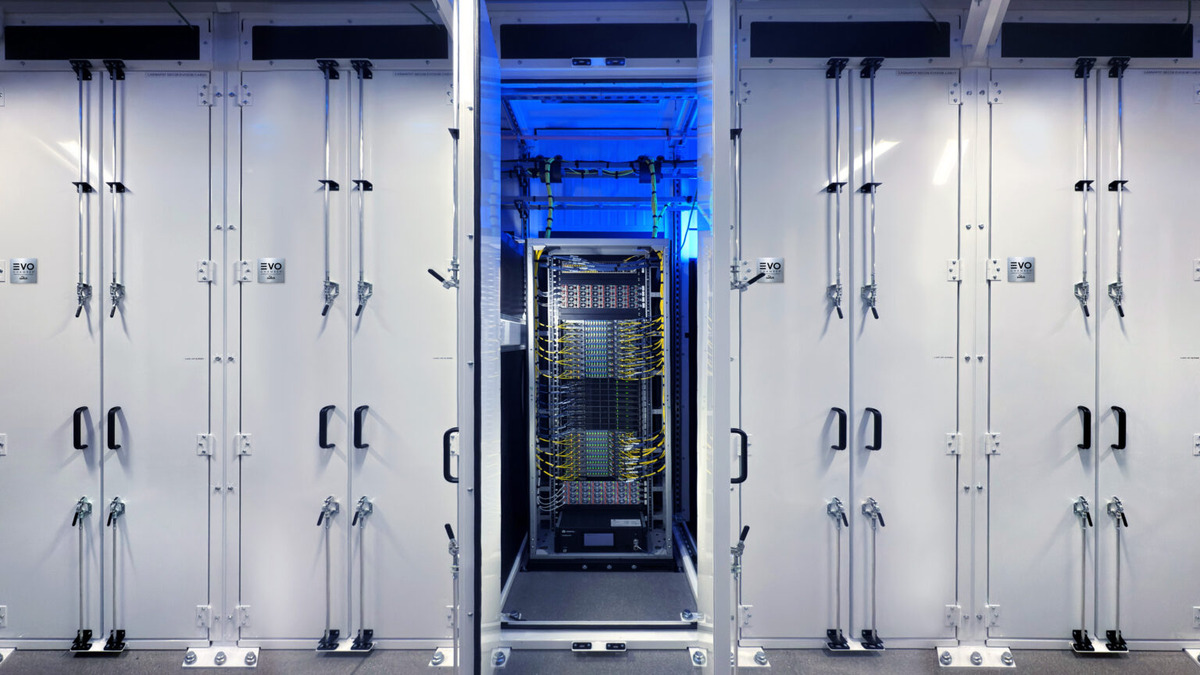 A GB300 NVL72 rack of the type Reflection AI is buying access to under both its SpaceX and Nebius deals.
Source: servethehome.com
A GB300 NVL72 rack of the type Reflection AI is buying access to under both its SpaceX and Nebius deals.
Source: servethehome.com
Reflection benefits from optionality. Splitting its compute commitments across SpaceX and Nebius means no single vendor controls its training capacity, and it gives the company a second data center footprint if one deployment slips on schedule, as GPU builds routinely do.
Who Pays
Reflection is the party writing checks against revenue it doesn't yet have. The startup's business model depends on open-weight models attracting enough enterprise and developer adoption to eventually justify billions in compute spend, a bet that has gotten easier to make since the Commerce Department restricted access to Anthropic's most advanced models for non-US customers in June, pushing some buyers toward open alternatives.
That bet still carries real exposure. If the $25 billion valuation round doesn't close, or closes smaller, Reflection is locked into two multi-year compute contracts sized for a company with far more revenue than it currently reports. Both agreements were signed by a startup with no disclosed product revenue.
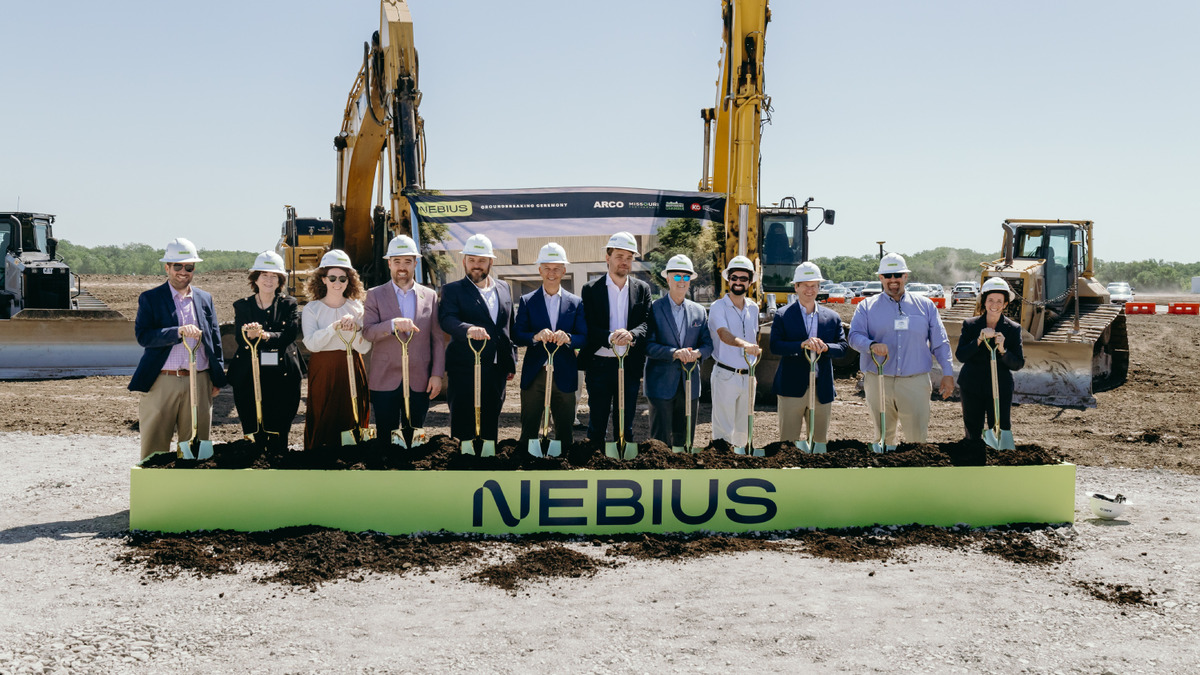 Nebius broke ground on its 400-acre Independence, Missouri campus in May, before this deal was signed.
Source: arconational.com
Nebius broke ground on its 400-acre Independence, Missouri campus in May, before this deal was signed.
Source: arconational.com
What the Deal Doesn't Answer
Neither Reflection nor Nebius disclosed a monthly payment structure for the new agreement, unlike the SpaceX contract's clear $150 million figure. There's no public timeline for when Reflection's first model ships, and no confirmation of how much of the $25 billion funding round, if it closes, is earmarked to cover these compute commitments versus new research hires.
Nebius stock had already fallen from its June 22 all-time high before this announcement, and a single customer deal, however large, doesn't change the company's dependence on continued hyperscaler-scale capital spending across the sector.
Sources:
- AI startup Reflection signs over $1 billion computing deal with Nebius - Yahoo Finance
- AI startup Reflection signs over $1 billion computing deal with Nebius - 93.3 The Drive (AP wire)
- Nebius (NBIS) Stock Climbs on $1 Billion+ Reflection AI Partnership - Blockonomi
- Nvidia invests $2B in AI cloud startup Nebius as AI data center race intensifies - Tech Startups
- Nebius Group (NasdaqGS:NBIS) Lands $2 Billion From Nvidia As Avride Moves With Uber - Yahoo Finance
- Nebius breaks ground on gigawatt-scale AI factory in Independence, Missouri - Nebius Newsroom

