
One Line Failed. 3GW of Data Centers Panicked the Grid
A single transmission line fault near Virginia's data center alley triggered a synchronized 3-gigawatt disconnect that took PJM 11 minutes to stabilize, twice as bad as a similar 2024 event.
 7 min read
A transmission line outside Washington, DC failed on Wednesday, July 22. That kind of fault is routine, the kind of thing PJM Interconnection, the grid operator serving 67 million people from New Jersey to Illinois, absorbs in milliseconds without anyone noticing. This time it took 11 minutes to fix, and people from Northern Virginia to Chicago watched their lights flicker while it happened.
The reason lives in Loudoun and Fairfax counties, the densest concentration of data centers on the planet. When the line tripped, roughly 3.1 gigawatts of compute load, about 3% of everything PJM was carrying at that moment, dropped off the grid within 30 seconds as facilities' own protection systems yanked them onto backup power. A grid built to balance supply and demand in real time suddenly had a supply surplus of 3.49 gigawatts and nowhere for it to go.
TL;DR
- A single transmission line fault near Northern Virginia's data center cluster triggered a synchronized disconnect of more than 3 gigawatts of load on July 22, roughly 2x the size of a comparable 2024 incident
- Recovery took about 11 minutes, versus the milliseconds a healthy grid needs, because so much load vanished and returned in near-lockstep
- PJM, the grid operator, says data centers were 6% of its load in 2024 and are projected to reach 24% by 2040
- Fixes on the table: gigawatt-scale batteries that buffer the grid from data center load swings, and mandatory "ride-through" rules that stop facilities from tripping offline in the first place
- Texas already requires ride-through behavior for large loads; PJM's footprint doesn't, yet
How a Fault Becomes a Multi-State Flicker
The Line Trip
Dominion Energy, the regional utility, confirmed the sequence to Reuters: a transmission line in the Northern Virginia service territory went out of service Wednesday morning. Nothing unusual there, lines fault and reclose or get isolated constantly. What changed is what happened downstream.
The Synchronized Bailout
Data centers wired into that part of the grid have automatic transfer switches designed to protect racks from any voltage dip, however brief. Dozens of facilities detected the disturbance and switched to backup power within the same 30-second window, according to PJM's own accounting of the event. That's the control logic working exactly as specified at the building level and creating a system-level problem at the same time: more than 3 gigawatts of demand disappeared from PJM's books almost simultaneously, leaving generators suddenly over-supplying a grid that had less than a third of a second to notice.
Eleven Minutes to Recover
A healthy grid corrects a disturbance like this in milliseconds. PJM has said this one took roughly 10 to 11 minutes to fully restabilize, during which voltage spiked across a region spanning Washington, DC to Chicago. Customers in Northern Virginia reported flickering lights and audible strain from air conditioners and refrigerators. Nobody lost power. But "nobody lost power" is a low bar for the grid carrying an increasing share of the compute behind every AI agents product on the market.
It's the canary in the coal mine.
That's Ricardo de Azevedo, CTO of grid-battery company ON.Energy, describing the trend rather than this single event. He has a point: a similar but smaller disconnection hit PJM in 2024, when roughly 60 data centers pulled 1.5 gigawatts off the grid simultaneously. This one was twice the size two years later.
 Data centers accounted for roughly 3% of PJM's total demand at the moment of the July 22 disconnect. PJM projects that share will grow to 24% by 2040.
Source: pexels.com
Data centers accounted for roughly 3% of PJM's total demand at the moment of the July 22 disconnect. PJM projects that share will grow to 24% by 2040.
Source: pexels.com
Why "Just Disconnect Safely" Isn't a Fix
The uncomfortable part of this story is that every individual data center did what it was designed to do. Protecting compute from a voltage sag is standard practice, and no single facility's transfer switch caused the grid event on its own. The problem is emergent: put enough gigawatt-scale loads within a few miles of each other, give them near-identical protection thresholds, and a local fault turns into a regional voltage event the instant they all react at once.
Ali Zain Banatwala, senior market models specialist at Ontario's Independent Electricity System Operator, framed the fix in blunt operational terms: grid operators need a way to make loads that sit next to each other "sequentially either disconnect or reconnect" rather than moving in lockstep. That's a coordination problem, not a hardware problem, and it means the industry is short a piece of infrastructure most people assumed already existed: a standard way for co-located mega-loads to negotiate who backs off first.
Ride-Through vs Ride-It-Out
| Approach | What it requires | Where it exists |
|---|---|---|
| Automatic disconnect (status quo) | Nothing new; facilities keep tripping to backup power on any disturbance | Default behavior across most of PJM's footprint |
| Regulatory ride-through mandate | Large loads must stay connected through voltage/frequency disturbances rather than tripping | ERCOT (Texas), formalized after operators logged repeated large-load trips over three years |
| Grid-buffering batteries | On-site battery systems absorb the swing so the facility never needs to trip at all | Early rollout - ON.Energy is installing 3 gigawatts of these systems across four campuses |
ERCOT's rule came out of the same underlying pattern PJM just experienced: operators had logged repeated instances of large loads tripping offline during faults that the grid's own protection systems handled correctly, and modeling showed the risk compounding as more gigawatt-scale loads queue up for interconnection. Texas has more than 438 gigawatts of large-load projects in its interconnection pipeline. Even a fraction of that taking shape without ride-through discipline is a standing invitation for a repeat of July 22, at larger scale.
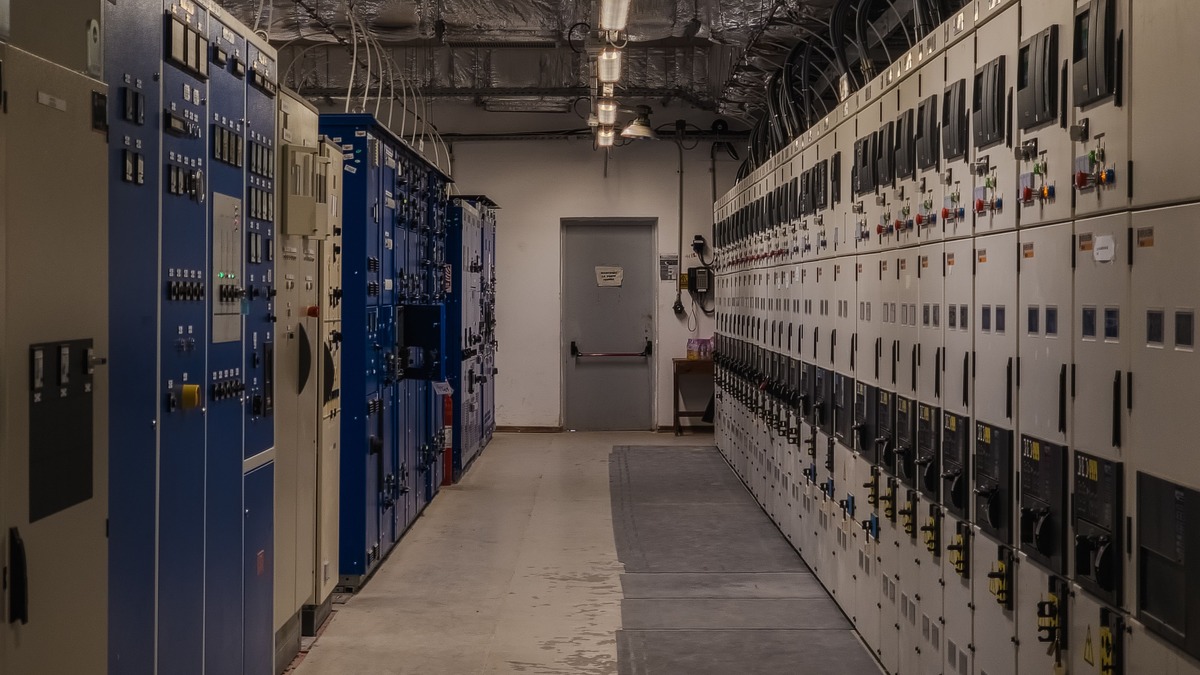 Ride-through rules move the fix upstream of the data center, into the switchgear and protection settings that decide whether a facility disconnects at all.
Source: pexels.com
Ride-through rules move the fix upstream of the data center, into the switchgear and protection settings that decide whether a facility disconnects at all.
Source: pexels.com
Where It Falls Short
None of the fixes on the table are close to universal. ERCOT's ride-through requirement is a Texas rule; PJM, the grid that just lived through this, has no equivalent mandate today, which means the exact scenario that played out on July 22 remains legal and, per the 2024-to-2026 trend, more likely to recur at greater scale. Battery buffering is real but expensive and slow to deploy at the gigawatt scale this problem requires - ON.Energy's 3 gigawatts across four campuses is a rounding error against PJM's multi-hundred-gigawatt footprint, let alone the queue of new capacity waiting to connect nationwide.
Both remedies also assume operators bear the cost of behaving like good grid citizens, whether that's capital for batteries or engineering time to retune protection settings for ride-through compliance. Nothing forces that spending outside Texas, and PJM's 6%-to-24% load-share projection means the number of facilities that would need to comply keeps climbing faster than the rules meant to govern them.
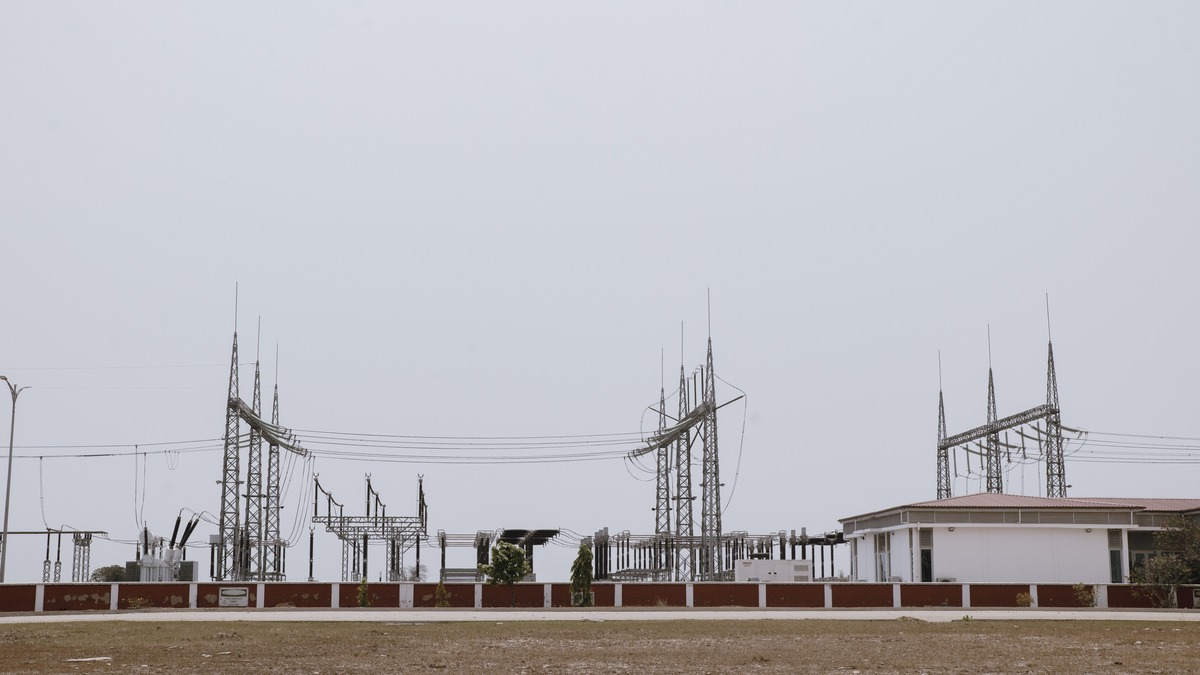 The fault itself was a routine transmission-line trip. What made it a multi-state event was 3+ gigawatts of data centers reacting to it in the same 30-second window.
Source: pexels.com
The fault itself was a routine transmission-line trip. What made it a multi-state event was 3+ gigawatts of data centers reacting to it in the same 30-second window.
Source: pexels.com
The pattern here matters more than the single incident. PJM expects data centers' share of its load to quadruple by 2040, on the same grid infrastructure and, so far, largely the same disconnect-first protection logic that caused this event. Nvidia and Emerald AI have been pitching the opposite framing, turning data centers into flexible grid assets that help stabilize supply rather than destabilize it, and that vision only works if facilities can absorb a disturbance instead of tripping away from it. Until ride-through requirements or buffering hardware catch up with interconnection queues, every new gigawatt of AI compute clustered in one place is also a gigawatt that can vanish from the grid in the same 30 seconds as its neighbors.
Sources:
- TechCrunch: One fallen power line exposed a growing AI data center problem. Here's how to fix it.
- MSN/Reuters: Massive disconnect of power roils largest US electric grid
- Utility Dive: Texas PUC approves 'ride-through' rules for data centers
- PV Magazine USA: How on-site batteries are fast-tracking data center grid connections
- IEEE Spectrum: Taming Data Center Power Fluctuation With AI UPS

