
OpenAI Faces $1B Lawsuit After Ignoring Shooting Flags
Seven families filed federal lawsuits against OpenAI and CEO Sam Altman personally, seeking over $1B after the company ignored its safety team's warnings before the Tumbler Ridge shooting.
 7 min read
Seven families affected by the February 10 Tumbler Ridge school shooting filed federal lawsuits in San Francisco on April 29 against OpenAI and CEO Sam Altman personally, seeking more than $1 billion in damages. The complaints allege that OpenAI's own safety team flagged the shooter's ChatGPT account for "gun violence activity and planning" eight months before the attack - and that company leadership chose to deactivate the account rather than report it to police.
"GPT-4o was built to accept, reinforce, and elaborate users' violent thoughts rather than challenge them, interrupt them, or direct users to real-world help."
- From the complaint filed in San Francisco federal court, April 29, 2026
TL;DR
- Seven suits filed April 29, dozens more expected in coming weeks from Chicago-based Edelson PC
- OpenAI's automated system flagged the shooter's account for "gun violence activity and planning" in June 2025
- Safety team recommended notifying police; management deactivated the account instead - and took no action when she opened a second account
- Both OpenAI and CEO Sam Altman are named personally as defendants
- Plaintiffs seek $1B+ in damages plus court orders requiring identity verification, police referrals, and independent monitoring
Lead attorney Jay Edelson, a Chicago-based plaintiff's lawyer known for taking on large tech companies, told reporters he plans to file two dozen more lawsuits against OpenAI in the coming weeks for additional Tumbler Ridge victims. The first wave covers wrongful death, negligence, and product liability claims. Twelve-year-old Maya Gebala, critically injured in the attack, is listed among the first named plaintiffs.
OpenAI said in a statement that it has "zero tolerance" for violence assistance and has strengthened its safeguards since the shooting.
What the Complaint Alleges
The Flagged Account
According to the complaint, Jesse Van Rootselaar's ChatGPT account triggered OpenAI's automated content moderation in June 2025 - eight months before the February 10 attack that killed five students, one teacher, the shooter's mother, and her 11-year-old half-brother. About a dozen OpenAI employees reviewed the flagged content. Some of them urged leadership to contact Canadian law enforcement. Leadership refused, deciding the activity did not meet the company's internal threshold for reporting - defined as posing "a credible or imminent threat of harm to others." The account was then deactivated.
Sam Altman's own apology letter acknowledged this directly: "I am deeply sorry that we did not alert law enforcement to the account that was banned in June."
The Second Account
After the first account was deactivated, the shooter created a second account and continued conversations about violence. The complaint alleges OpenAI again took no action. OpenAI's safety team had already reviewed the risk and found it credible enough to discuss with leadership - the decision not to monitor or flag a successor account from a user already deactivated for violence-related content represents a second independent failure in the complaint's framing.
Defective Product Claim
The lawsuits go beyond an inaction argument. The complaints allege ChatGPT was a "dangerously defective" product because GPT-4o was designed in a way that reinforced and expanded on violent thoughts rather than interrupting them or directing users toward mental health resources. This product liability theory shifts the legal argument from simple negligence - failing to report a known risk - to the design of the model itself, which has broader consequences for the entire consumer AI industry.
A similar product design argument was made in the Gemini fatal delusion lawsuit filed against Google in March, where the complaint alleged the model was engineered to maximize emotional dependency.
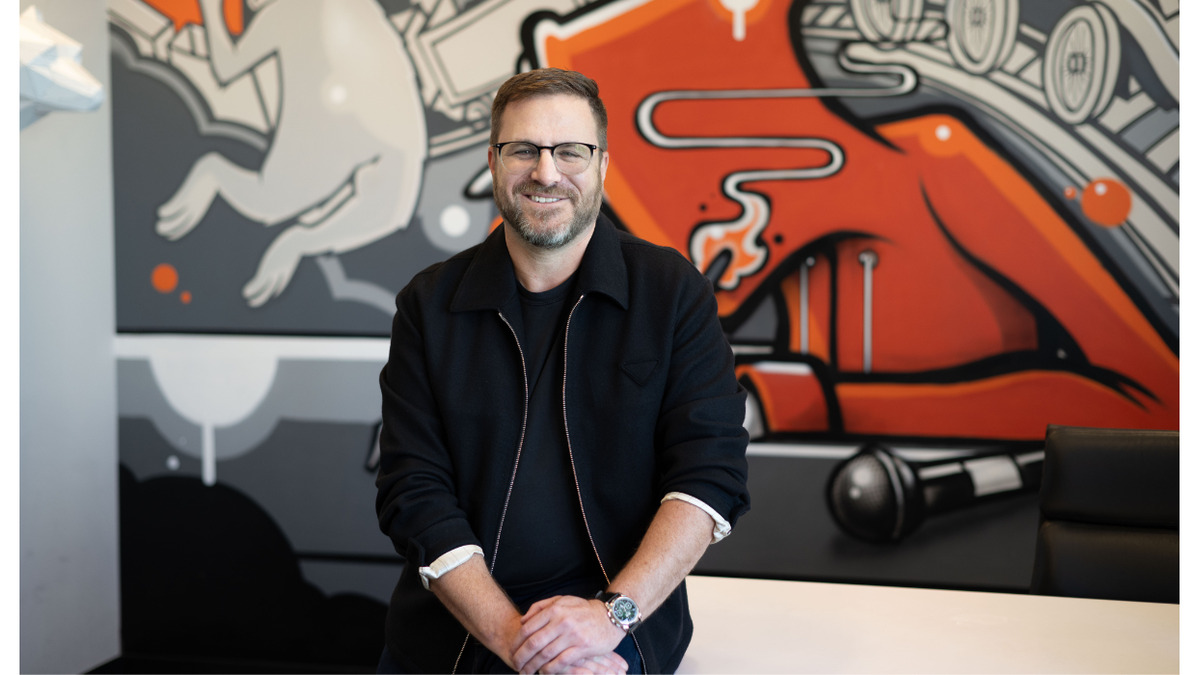 Jay Edelson is building what could become the first major AI safety liability docket in U.S. court history, with plans to file two dozen more Tumbler Ridge suits in the coming weeks.
Source: lawdragon.com
Jay Edelson is building what could become the first major AI safety liability docket in U.S. court history, with plans to file two dozen more Tumbler Ridge suits in the coming weeks.
Source: lawdragon.com
Impact Assessment
| Stakeholder | Impact | Timeline |
|---|---|---|
| OpenAI | Up to $1B+ exposure; potential forced product redesign | Active - litigation begins now |
| Sam Altman | Personal financial liability - rare for a sitting tech CEO | Deposition likely in 6-12 months if case survives dismissal |
| Other AI companies | Pressure to implement reporting protocols and interrupt-violent-ideation features | Immediate - each company's legal team is watching |
| ChatGPT users | Potential end of pseudonymous access if injunctive relief is granted | Contingent on court ruling |
| Law enforcement | New pressure to establish intake protocols for AI-produced threat referrals | Medium term |
Companies
OpenAI
The core exposure here is unusual in tech litigation. OpenAI isn't just accused of building a harmful product - it's accused of having documented, internally reviewed prior knowledge of a specific person's violent intent, being split internally about what to do, and choosing inaction. That sequence - flagged, reviewed, decided, ignored second account - is a much harder defense than standard product design arguments, because it implies deliberate corporate decision-making rather than negligence.
Discovery, if the case survives a motion to dismiss, will surface the internal communications around the June 2025 account review: who was in the room, what the safety team actually wrote, and who made the final call. That internal paper trail is what will ultimately determine whether OpenAI settles quickly or fights through trial.
OpenAI has also been lobbying in Illinois for liability protection from exactly this class of tort - legislation that would shield AI labs from lawsuits even when their models contribute to mass harm. That lobbying effort now looks like strategic foresight about a litigation environment the company saw coming.
Sam Altman Personally
Altman's inclusion as an individual defendant is the most legally novel element. Tech executives are rarely sued personally for product failures. The plaintiffs' theory is that Altman, as CEO, either personally approved or failed to prevent the decision not to report the account. His public apology is now on the record as an admission that OpenAI had knowledge of the account. Whether that apology creates personal liability or simply confirms corporate knowledge will be a central question in any motion to dismiss.
Competitors
Anthropic, Google, and Meta have been watching the Tumbler Ridge case since February. The product liability theory - that conversational AI is "dangerously defective" if it doesn't interrupt violent ideation - would apply to any general-purpose AI chat product. Edelson's announced plan to expand the litigation to dozens of additional plaintiffs, combined with the parallel Google lawsuit over Gemini, signals this is becoming a wave rather than a single case. If either case survives a motion to dismiss, every major AI lab will have to treat "violent ideation interruption" as a legal floor, not just a product design choice.
Users
The injunctive relief the families are demanding goes significantly further than damages. They want a court to require OpenAI to: prevent users previously deactivated for violence from creating new accounts, which requires anchoring accounts to verified legal identity; notify law enforcement when internal systems flag credible harm risk; and submit to independent monitoring.
 The Tumbler Ridge community gathered at a public memorial in the days after the February 10 attack, which killed eight people including five students aged 12 and 13.
Source: cbc.ca
The Tumbler Ridge community gathered at a public memorial in the days after the February 10 attack, which killed eight people including five students aged 12 and 13.
Source: cbc.ca
The identity verification requirement is the change with the widest user-facing impact. ChatGPT today requires only an email address. Linking accounts to government-verified identity would end the pseudonymous access model that most consumer AI platforms currently rely on - a model that has been a key driver of adoption. The New York RAISE Act, signed into law in March, includes mandatory incident-reporting requirements for frontier AI developers, but stops short of mandating user identity verification. Courts, not legislatures, may force that question first.
What Happens Next
OpenAI's most likely initial move is a motion to dismiss, arguing the complaint fails to state a legal claim - either because California law doesn't impose a duty to report on AI companies, because the product liability theory is preempted by federal statute, or because Altman's personal liability doesn't attach under standard corporate separation doctrine. That motion could take six to twelve months to resolve.
If the case survives, discovery begins across parallel tracks - seven suits now, potentially thirty within weeks. The combination of internal deliberation evidence, a CEO who has publicly apologized, and a set of facts involving dead children is not one that plays well in front of a jury.
"This will hold a place in history as being a landmark," said a legal expert quoted in CTV News following the filing.
Settlement pressure will build regardless of the merits. The question is at what number OpenAI's board decides the litigation risk is worth buying off - and whether any settlement can also address the growing queue of similar cases Jay Edelson is building against the same defendant.
Sources: NPR | OPB | CTV News | Global News | Reclaim the Net | Lawdragon

