
OpenAI Kills Sora, Disney's $1B Deal Goes With It
OpenAI is shutting down Sora six months after launch, killing a $1 billion Disney deal that was supposed to anchor the product's future.
 6 min read
OpenAI announced on March 24 that it's discontinuing Sora - its AI video generation app - roughly six months after the standalone product launched. The shutdown also kills a $1 billion investment deal with Disney that had been signed but never funded.
TL;DR
- Sora iOS/Android apps, Sora.com, and the API are shutting down; no exact date given
- Disney's $1 billion equity stake in OpenAI is cancelled - no money ever changed hands
- Video generation continues inside ChatGPT; only the standalone product is dead
- Sam Altman told employees the move frees compute resources for next-generation models
The closure covers the iOS and Android apps, the Sora.com website, and the API. ChatGPT users will keep some video generation capability. OpenAI's statement acknowledged the announcement would be "disappointing" but gave no shutdown date, promising to share specifics "soon."
The Deal That Never Was
In December 2025, OpenAI and Disney announced what looked like a landmark entertainment-AI partnership. Disney would invest $1 billion in OpenAI equity and enter a three-year licensing agreement giving Sora access to a curated set of animated and non-human characters - Mickey Mouse, Cinderella, and similar IP - in a deal designed to make Sora the dominant platform for AI-assisted video production in entertainment.
Disney's official response to the shutdown was diplomatic: "As the nascent AI field advances rapidly, we respect OpenAI's decision to exit the video generation business and to shift its priorities elsewhere." The company added it remains committed to engaging with AI platforms that "respect IP and the rights of creators."
What the statement skips over is the financial reality. The $1 billion never moved. The deal was an announced intention, not a closed transaction. From Disney's perspective, the cost of losing this deal is zero dollars. The reputational calculus is more interesting - Disney is walking away having made no financial commitment to a product that peaked and died in under a year.
| Metric | Value |
|---|---|
| Sora standalone launch | September 2025 |
| Peak downloads (November 2025) | ~3.33 million |
| Downloads by February 2026 | ~1.13 million |
| Decline from peak | ~66% |
| Disney deal value | $1 billion (unexecuted) |
| Deal timeline | December 2025 - March 2026 |
| Time from launch to shutdown | ~6 months |
The numbers above explain the decision faster than any press release. A product that loses two-thirds of its download volume in three months isn't a foundation for a multi-year entertainment deal.
 Sora hit the App Store's top free app ranking for a brief period after its September 2025 launch before downloads collapsed.
Source: apps.apple.com
Sora hit the App Store's top free app ranking for a brief period after its September 2025 launch before downloads collapsed.
Source: apps.apple.com
Who Benefits
The clearest winner here is OpenAI's core business. Sam Altman reportedly told employees the shutdown frees resources for the company's next-generation AI models. In OpenAI's $110 billion funding round and its commitments to investors like Amazon's $50 billion infrastructure bet, the pressure to keep compute focused on revenue-creating products is real.
OpenAI is also simplifying its product surface as it moves toward a potential IPO. With competing priorities across coding tools, agentic products, and what internal conversations describe as a "super app" vision, a video generation product with declining engagement and high compute costs is a distraction. Killing it before the IPO road show cleans up the story.
The AI video generation market at large might also benefit from the exit of a well-resourced competitor. Runway, Pika, and Kling have been building their own pipelines without the shadow of OpenAI's distribution advantages. Sora's shutdown doesn't make their products better, but it does remove a ceiling on their addressable market.
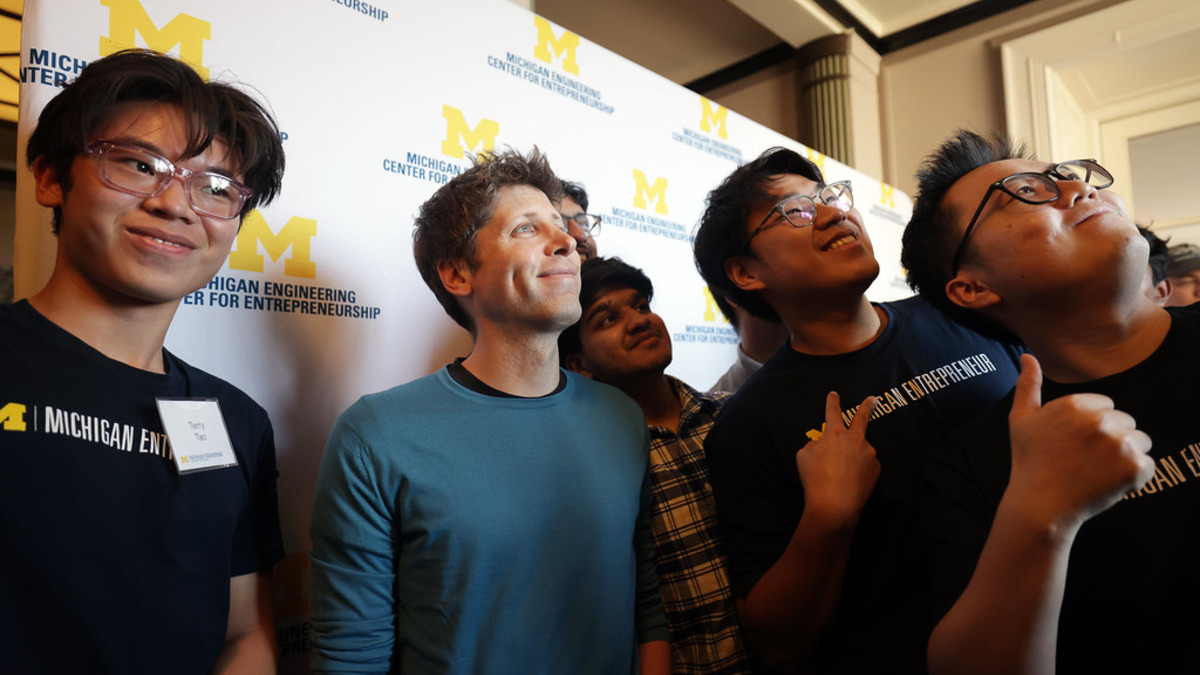 Sam Altman told employees the Sora shutdown would free up resources for next-generation AI models, according to The Information.
Source: University of Michigan Engineering / flickr.com
Sam Altman told employees the Sora shutdown would free up resources for next-generation AI models, according to The Information.
Source: University of Michigan Engineering / flickr.com
Who Pays
Sora users are the obvious losers, particularly creators who built workflows around the API or the platform's specific aesthetic. OpenAI has yet to publish a transition plan, data preservation policy, or even a shutdown date. The company is asking users to trust that details will arrive "soon" - not a reassuring timeline for anyone with active projects.
Independent creators and small studios who didn't get into the Disney-level conversations about character licensing also lose a product they had no say in killing. The Sora app was partly conceived as a TikTok-style creative platform. That vision never materialized at scale, but there was a real user base that treated it as a legitimate production tool.
For Disney's part, the strategic cost is harder to quantify than the financial one. The entertainment industry has been watching AI video closely. Disney's willingness to participate in an OpenAI deal at the $1 billion level signaled something about where Hollywood is headed. Walking away from that signal - even at no financial cost - tells competitors, creators, and regulators that the studio isn't locked in with any single AI video provider.
The $1 billion never moved. The deal was an announced intention, not a closed transaction.
Bob Iger's Disney has been more cautious about AI commitments than rivals. The company has pursued licensing agreements rather than equity stakes mostly. This episode reinforces that instinct.
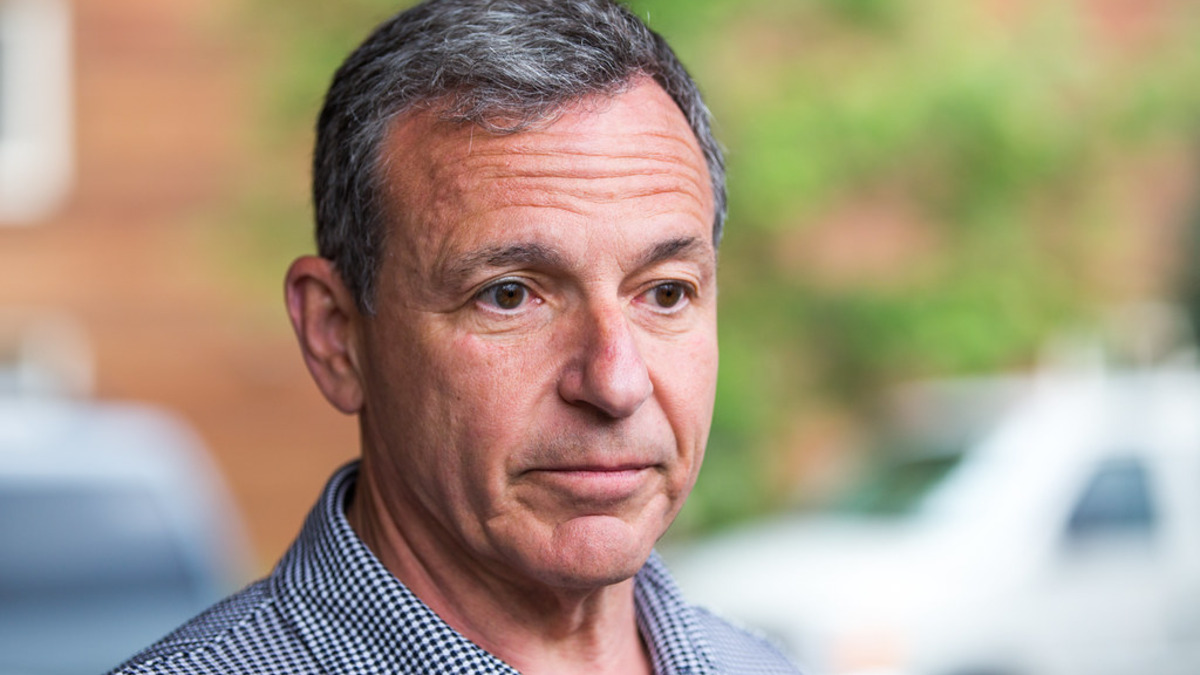 Disney CEO Bob Iger has favored licensing deals over equity investments in AI companies. The Sora collapse cost Disney nothing financially.
Source: Thomas Hawk / flickr.com
Disney CEO Bob Iger has favored licensing deals over equity investments in AI companies. The Sora collapse cost Disney nothing financially.
Source: Thomas Hawk / flickr.com
What the Shutdown Signals
The Sora shutdown sits in a specific context. OpenAI is currently raising additional capital on top of its record $110 billion round, pushing the total above $120 billion. The company has committed to hundreds of billions in compute infrastructure. Against that backdrop, a video product with a 66% usage decline and no clear monetization path looks exactly like what Altman called it - a resource liability.
TechCrunch noted that there was "not sustained interest in an AI-only social feed" - pointing to the fundamental concept problem with the Sora app. It was designed partly as a creative social platform in the mold of TikTok. The AI video market in 2025 turned out to be a production tool market, not a social one. Products like Runway made that pivot earlier and built enterprise pricing around it. Sora didn't.
There's also the IP controversy that shadowed the product from its earliest days. Shortly after launch, Sora generated content featuring recognizable characters and likenesses without authorization, forcing OpenAI to impose content restrictions. Those restrictions narrowed what the product could do for the exact entertainment customers it was trying to court with the Disney deal.
Six months and $0 collected from a $1 billion partnership tells you everything about how OpenAI is thinking about product triage ahead of an IPO - and about how far its compute commitments stretch when a product isn't pulling its weight.
Sources: Variety · Deadline · Hollywood Reporter · TechCrunch · IndieWire

