
OpenAI Builds GitHub Rival, Tensions Rise With Microsoft
OpenAI is developing an internal code repository to replace GitHub, putting the company on a collision course with its biggest backer.
 6 min read
OpenAI is building its own code-hosting platform - a direct rival to GitHub - after a string of outages left engineers unable to push code or coordinate work for hours at a time. The move, first reported by The Information on March 4, puts OpenAI on a collision course with Microsoft, which owns GitHub and holds a 27 percent equity stake in the company it's now moving to undercut.
TL;DR
- OpenAI is developing an internal GitHub alternative after 37 GitHub incidents in February 2026 alone
- The project is in early stages and could take months; it may stay internal or be sold to customers
- GitHub is mid-migration to Microsoft Azure, and the instability is crashing AI coding agents like Codex and Cursor
- If commercialized, OpenAI would compete directly with a product owned by its biggest investor
- GitHub's Copilot runs on OpenAI's models - making any commercial rivalry highly awkward
The Reliability Problem
GitHub is struggling. The platform recorded 37 separate incidents in February 2026, a figure that surfaced in a post by tech analyst Aakash Gupta on X, who noted that incident frequency was up 23 percent year over year and that uptime dropped below 90 percent at one point in 2025.
The February 9 outage was especially damaging. GitHub's web interface became "mostly unusable," developers could not create or review pull requests, and GitHub Actions failed broadly across thousands of projects. Engineers at OpenAI, who depend on GitHub for every step of their development loop - committing code, opening pull requests, running CI/CD pipelines - were effectively locked out.
GitHub's Azure Migration Makes Things Worse
The root cause of the instability appears to be structural. GitHub began migrating from its legacy data center to Microsoft Azure in October 2025. The split-traffic architecture required during that transition has added complexity and introduced new failure modes. In other words: Microsoft's own infrastructure is the thing breaking Microsoft's developer product.
The irony isn't lost on OpenAI engineers, who are now building an alternative to a Microsoft-owned platform because that platform is being migrated onto Microsoft infrastructure.
AI Coding Tools Bear the Cost
The outages aren't just an inconvenience for human developers. Tools that rely on the GitHub API - AI coding agents and assistants like OpenAI's own Codex CLI, Cursor, and others - don't gracefully degrade when the platform goes down. They hit walls. The entire loop of write code, push, test, iterate requires a functioning remote Git platform at every step.
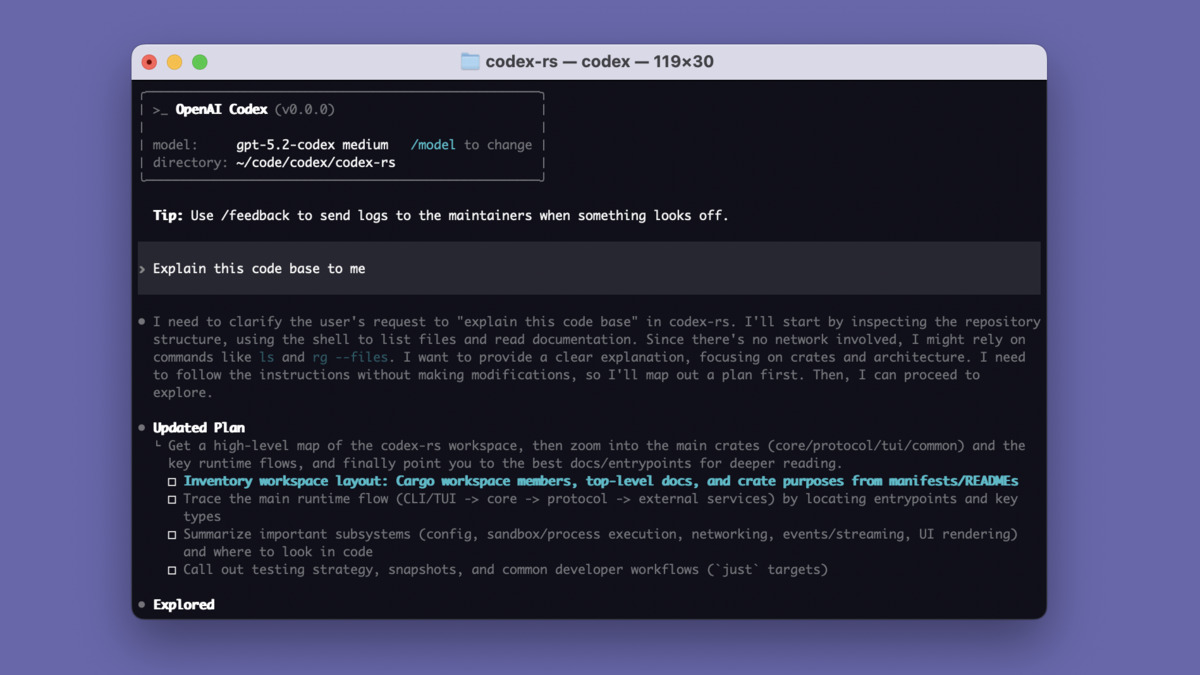 OpenAI's Codex CLI agent, which we reviewed in our Codex App review, depends on GitHub for pushing commits, opening pull requests, and running CI pipelines - all of which break when GitHub goes down.
When our GitHub Copilot review flagged reliability as a concern last year, it felt like a minor footnote. In February 2026, with dozens of incidents in a single month, it has become a structural problem for every company building on top of GitHub's infrastructure.
OpenAI's Internal Gamble
According to The Information's reporting, OpenAI engineers grew frustrated enough that they began building their own solution. The project is in early stages. It won't be ready for months, and there's no guarantee it ever ships to external customers at all.
What the Platform Would Do
The pitch internally is not just "GitHub but more reliable." OpenAI staff have discussed a tighter integration with the company's own coding agents. A repository built natively around OpenAI's AI tools would let developers collaborate not just with other engineers but with autonomous agents that can write, debug, and modify code in the same environment.
That's a truly interesting product idea. GitHub has been adding AI features incrementally - Copilot agents, coding suggestions, pull request summaries - but these are retrofits onto a platform designed before the era of agentic AI. An OpenAI-native repository, if it shipped, would be designed from the start around the assumption that AI is a first-class contributor.
Months Away, May Never Launch
Sources told The Information the project could remain an internal tool. Google and Meta both run proprietary internal code repositories without offering them commercially. Apple uses its own systems. There's a legitimate version of this story where OpenAI builds a reliable internal tool, uses it quietly, and never sells it.
The version that's harder to contain is the commercial one.
The Microsoft Complication
Microsoft has invested north of $13 billion in OpenAI. It owns GitHub - which it picked up in 2018 for $7.5 billion. And GitHub's most important premium product, GitHub Copilot, runs on OpenAI's models.
That last point deserves a moment. Microsoft is paying OpenAI for the models that power the AI features in the product that OpenAI is now building a competitor to. The circular dependency is extraordinary.
Sam Altman acknowledged "points of tension" in the Microsoft partnership in a recent interview, without specifying which ones. The GitHub project - assuming it becomes public - won't reduce those tensions.
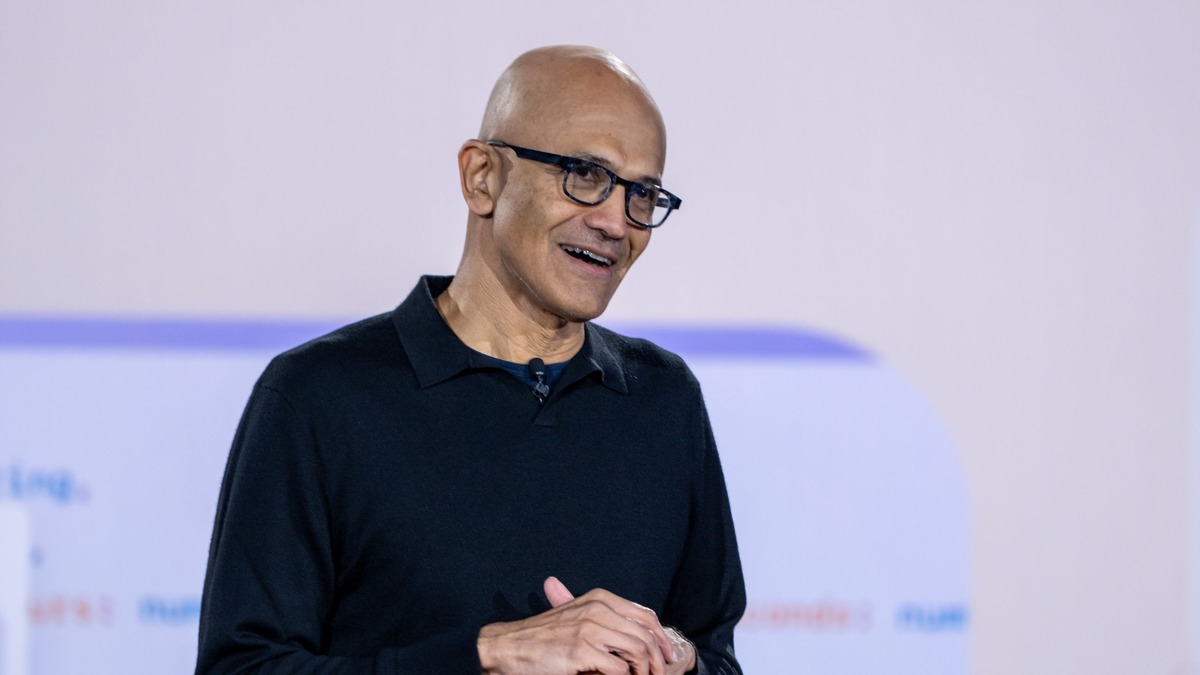 Microsoft CEO Satya Nadella at the company's 50th anniversary event in April 2025. The OpenAI relationship, framed publicly as a partnership, is increasingly showing competitive edges.
Who Benefits from Ambiguity
For now, neither side is moving to formalize a break. Microsoft's Azure deal with OpenAI runs for years and is too valuable for both parties to walk away from. OpenAI needs the compute. Microsoft needs the model access and the commercial differentiation.
But each move OpenAI makes into territory Microsoft owns - whether that's developer tooling, enterprise software, or now code hosting - chips away at the premise that this is a partnership of equals. The larger tension this story fits into is the open-source versus proprietary divide that is reshaping every corner of the AI industry: who controls the stack, who pays for the infrastructure, and who extracts value from the relationship.
They Are Not the First
It is worth noting that proprietary internal code repositories aren't unusual at large tech companies. Google has used Piper, its internal monorepo, for decades. Meta runs an internal system called fbcode. Amazon has its own internal tooling separate from what's available through AWS.
None of these companies removed GitHub for external-facing open-source projects. The question is not whether OpenAI can build something that works internally - it almost certainly can. The question is what they do with it.
If OpenAI sells a GitHub alternative to developers, tightly integrated with Codex agents and GPT models, it would represent something new: a vertically integrated AI development stack that bypasses the incumbent completely. GitHub would go from being the platform that hosts OpenAI's code to being a competitor.
OpenAI hasn't commented on The Information's report. GitHub and Microsoft did not respond to requests for comment. What we know comes from unnamed sources who weren't authorized to speak publicly - which isn't unusual for a project this politically sensitive. The company that built ChatGPT is moving carefully. But it is moving.
Sources:
- OpenAI Developing Alternative to GitHub, The Information Reports - TradingView / Reuters
- OpenAI Building GitHub Alternative for Developer Toolchains - developer-tech.com
- OpenAI Is Reportedly Making Its Own GitHub Because It Kept Going Down Too Much - XDA Developers
- GitHub Down Feb 9, 2026 - What AI Coders Did Instead - Serenitiesai
- GitHub Availability Report: January 2026 - GitHub Blog
- GitHub Seems to Be Struggling with Three Nines Availability - The Register
- Sam Altman Breaks Silence on Microsoft Feud - Windows Central
