
Nvidia's H200 Chips Reach China - Congress Isn't Happy
Commerce official Jeffrey Kessler confirms H200 AI chip shipments to China have begun, but calls the volume 'trivial' as lawmakers spar over export-control gaps.
 6 min read
Seven months after President Trump cleared the sale, Nvidia's H200 chips have finally started crossing into China. Jeffrey Kessler, the Commerce Department's Under Secretary for Industry and Security, confirmed as much to the House Foreign Affairs Committee on July 14. Then he spent the rest of the hearing talking the number down.
- Commerce confirms the first H200 shipments to China since Trump's December 2025 approval, though Kessler calls the volume "very small... trivial"
- Roughly 10 Chinese firms, including Alibaba, Tencent, ByteDance, DeepSeek and JD.com, hold licenses to buy up to 75,000 H200s each
- Beijing capped its own import allowance below 200,000 chips combined, less than half what the companies requested, and restricted them to training, not inference
- Rep. Gregory Meeks says Commerce hasn't added a single Chinese company to the export blacklist since October, the longest gap in over a decade
- Rep. Bill Huizenga pressed Kessler on a May 31 guidance memo that may let offshore subsidiaries of Chinese firms obtain restricted Blackwell chips
"Very Few, and It's Trivial"
Kessler didn't dress it up for the committee.
"The bottom line is very few shipments against licenses for H200s and equivalents have taken place... very small quantity of chips, so it's trivial."
That single line captures the gap between policy and practice that's defined this deal since Trump first floated it. In December 2025, the president approved H200 sales to China in exchange for a 25% export tax on the chips, reversing years of tightening restrictions his own administration had helped write. Commerce cleared roughly 10 Chinese buyers in May, Alibaba, Tencent, ByteDance, DeepSeek and JD.com among them, each authorized to purchase up to 75,000 units directly from Nvidia or its distributors. As of mid-May, zero chips had actually shipped. Beijing wasn't in a hurry to let them in, either: Chinese customs slow-walked the paperwork while officials nudged domestic tech firms toward homegrown silicon instead.
Eight weeks later, the chips are moving. Just not many of them.
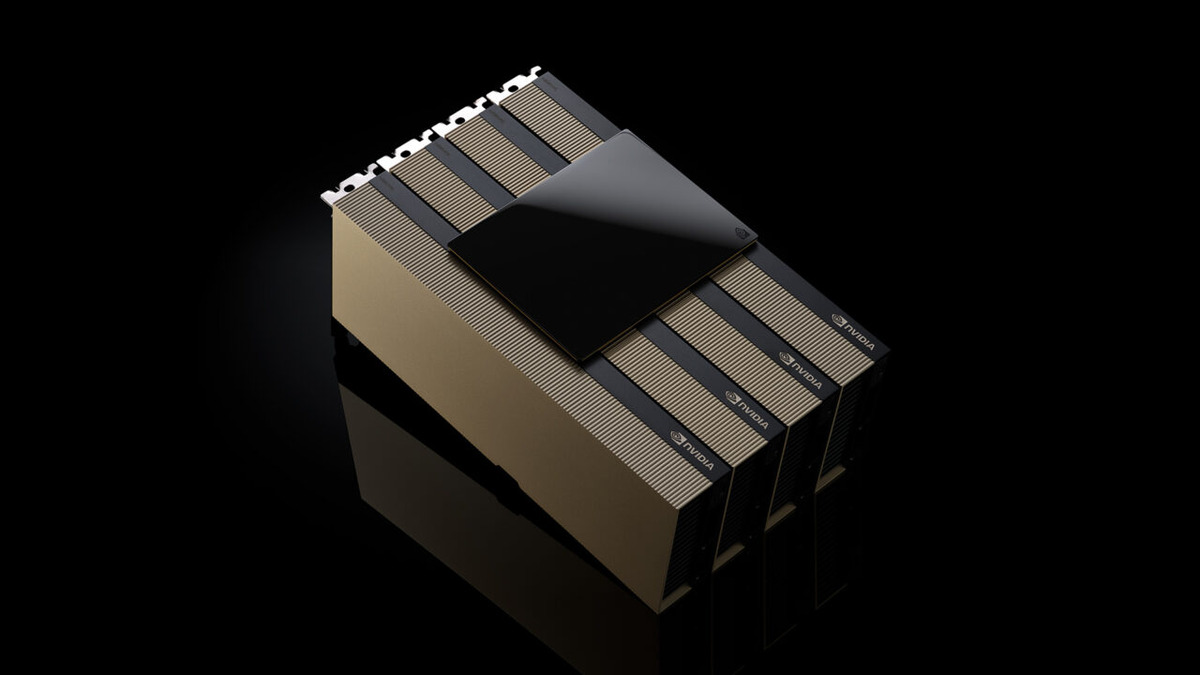 The Nvidia H200 NVL, the Hopper-generation chip now cleared for limited export to China. Blackwell, Nvidia's current-generation part, remains banned from direct sale.
Source: blogs.nvidia.com
The Nvidia H200 NVL, the Hopper-generation chip now cleared for limited export to China. Blackwell, Nvidia's current-generation part, remains banned from direct sale.
Source: blogs.nvidia.com
The timing isn't incidental. Just weeks earlier, China's own Ministry of Commerce was drafting a mirror-image playbook, weighing restrictions on foreign access to its own frontier AI models. Both governments are now running export controls in opposite directions on the same underlying resource: compute.
The Math Behind the Trickle
Two governments are throttling the same pipe from opposite ends, and the numbers show it.
| Party | Constraint | Effect |
|---|---|---|
| US Commerce Dept | Licenses up to 75,000 H200s per firm, ~10 firms approved | Legal ceiling near 750,000 chips |
| Beijing | Import cap reportedly under 200,000 chips combined | Less than half of what firms requested |
| Chinese regulators | H200s restricted to AI training, not inference | Steers inference workloads to Huawei and domestic chips |
| Nvidia | Blackwell still barred from direct export | H200, an older Hopper-generation part, is the only option |
Nvidia held over 90% of China's AI chip market before controls tightened, according to CEO Jensen Huang, who said in an April 30 interview that the figure had since fallen to zero. The H200 shipments now underway won't reverse that quickly. The chip itself is a generation behind Blackwell, and Beijing's training-only restriction means it can't be used for the inference workloads that make up the bulk of day-to-day AI deployment.
Who Actually Gets the Chips
The Companies
The approved buyer list reads like a roster of China's largest AI spenders: Alibaba, Tencent, ByteDance, JD.com and DeepSeek. A ZTE Corp unit and two additional firms received approval this week to buy advanced Nvidia and AMD chips, Kessler told the committee, though he declined to name them or detail their status beyond confirming Congress received a confidential list of pending applications.
The Users
Even licensed firms can't use the chips freely. Beijing's restriction confines H200s to training runs, meaning the compute goes toward building the next generation of Chinese frontier models rather than running today's chatbots and copilots. For a lab like DeepSeek, whose prior releases leaned on aggressive efficiency engineering to work around chip scarcity, incremental Hopper-generation training compute matters, but it's not the unrestricted access the companies originally asked for.
The Competitors
Every H200 chip that doesn't reach an inference workload is a chip Huawei's domestic accelerators get to serve instead. Beijing's policy effectively guarantees a captive customer base for Chinese chipmakers on the inference side, regardless of how many H200s clear customs. That's a deliberate hedge: import training compute from the country still ahead on the frontier, while building a domestic supply chain for everything downstream of it. It also lines up with a US-China Economic and Security Review Commission finding that Chinese open-weight models already dominate deployment on US developer platforms, proof that Beijing's chip gap hasn't stopped its models from spreading.
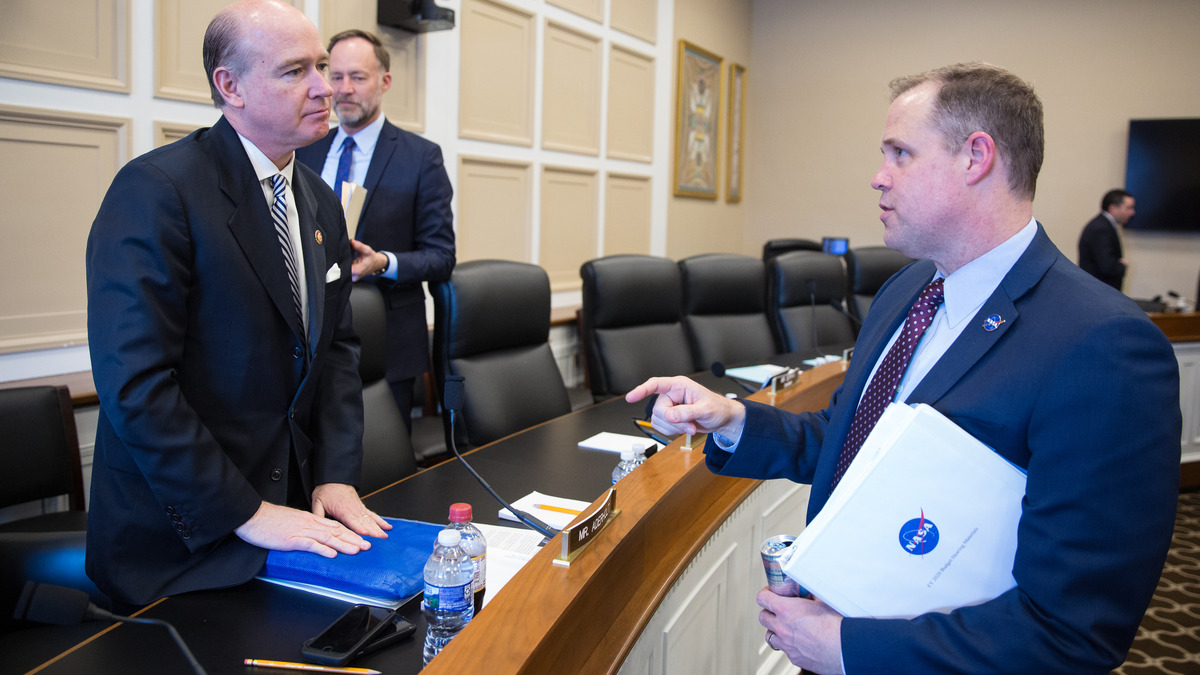 Congressional testimony on export enforcement routinely runs into this kind of exchange: officials confirming a policy exists, lawmakers questioning whether it's being enforced.
Source: wikimedia.org
Congressional testimony on export enforcement routinely runs into this kind of exchange: officials confirming a policy exists, lawmakers questioning whether it's being enforced.
Source: wikimedia.org
The Oversight Fight
The hearing's sharpest moments weren't really about the chips. They were about who's watching the paperwork.
Meeks, the committee's top Democrat, said Commerce hasn't added a single Chinese entity to its export control list since October, calling it the longest gap in more than a decade. He accused the administration of turning export policy into "a bargaining chip in broader negotiations with China" and said the White House had "weakened existing safeguards, including by approving licenses for advanced AI chips destined for China."
Huizenga, a Republican, focused on a narrower but sharper problem: May 31 guidance from Commerce that appeared to let offshore subsidiaries of Chinese companies obtain Blackwell chips, still formally banned from direct export to China, and then keep them even if they arrived "through either smuggling or other loopholes." Huizenga didn't hide his frustration with the wording, telling Kessler it amounted to "just a frickin' circle that you talk in."
What Happens Next
Kessler told lawmakers "there will be future regulatory action in the area of chips and AI," while ruling out any return to the Biden-era AI diffusion rule that had tiered global chip access by country. What that action looks like, and whether it closes the Blackwell subsidiary loophole Huizenga flagged, is still undecided.
Kessler didn't say when the confidential list of pending H200 applications might be made public, or how many of the roughly 10 licensed firms have received a chip so far.
Sources:
- US official says Nvidia has begun shipping powerful H200 AI chips to China (Reuters via KFGO)
- US says Nvidia's H200 exports to China remain 'trivial' despite approvals (South China Morning Post)
- China reportedly to allow Nvidia H200 imports, but approvals may fall below 200K chips (TrendForce)
- 'In China we have now dropped to zero': Jensen Huang on Nvidia's market share (PC Gamer)

