
NextEra Buys Dominion for $67B on AI Power Demand
NextEra's $67B acquisition of Dominion creates the world's largest regulated utility to meet AI data center electricity demand.
 6 min read
NextEra Energy is buying Dominion Energy in an all-stock deal worth around $67 billion - the largest utility merger in US history. The official reason, stated plainly in the May 18 announcement: AI data centers are consuming electricity faster than the grid can produce it, and the only way to build fast enough is to consolidate.
The Deal
- $67 billion all-stock acquisition; Dominion shareholders receive 0.8138 NextEra shares plus a one-time $360 million cash payment at closing
- Combines the world's largest producer of wind and solar energy with the utility that powers northern Virginia - the world's largest data center market
- Dominion already holds 51 GW of contracted data center capacity and has connected over 450 data centers
- 130 GW combined construction backlog, $59 billion annual capital spending, and 12-18 months of regulatory approvals ahead
The Financial Terms
Dominion shareholders receive a 23% premium over the company's $54.3 billion market cap at announcement. NextEra stockholders hold 74.5% of the combined entity at close; Dominion shareholders hold the remaining 25.5%. The enterprise value of the combined company is approximately $420 billion, placing it third among US energy companies behind only ExxonMobil and Chevron.
| Metric | Value |
|---|---|
| Deal value | ~$67 billion |
| Structure | All-stock (0.8138 NEE shares per Dominion share + $360M cash) |
| Premium to Dominion market cap | 23% |
| Combined enterprise value | ~$420 billion |
| NextEra post-close ownership | 74.5% |
| Dominion post-close ownership | 25.5% |
| Combined customers | ~10 million |
| Total generation capacity | ~110 GW |
| Construction backlog | 130 GW |
| Dominion contracted data center load | 51 GW |
| Annual capital spending | $59 billion |
Market reaction: NextEra fell about 5% on the day; Dominion rose 9.6%. That spread tells a story. Investors think Dominion got a fair exit and NextEra paid a strategic premium for a thesis that still needs several years to prove out.
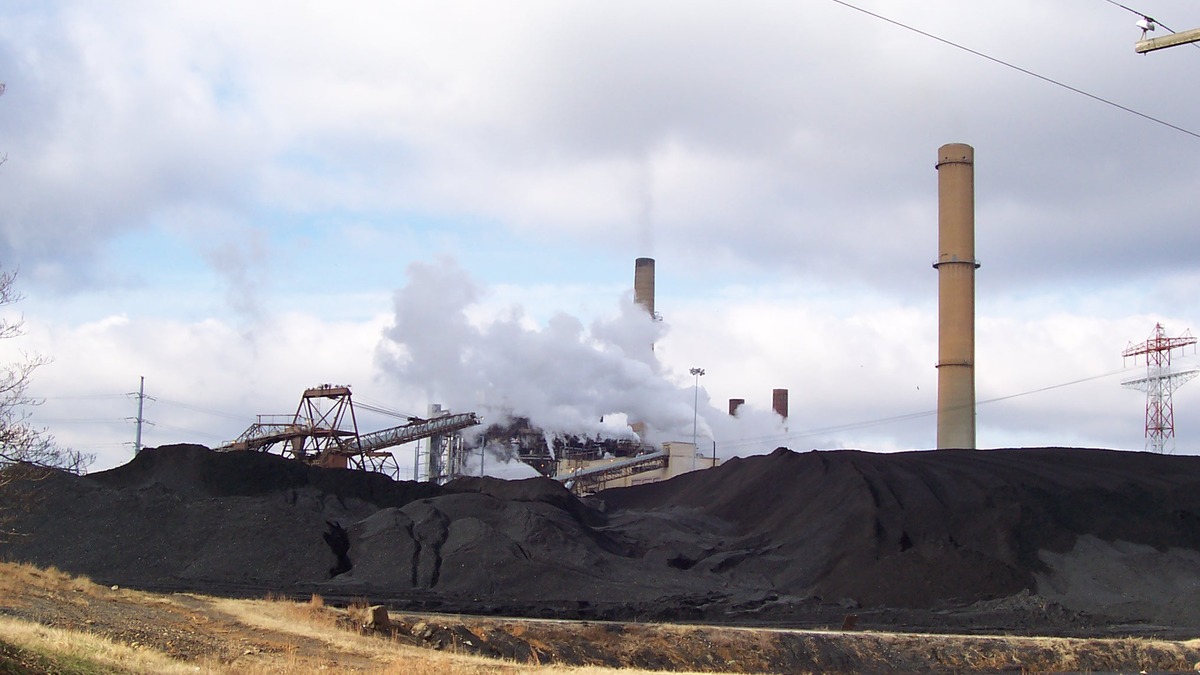 The Chesterfield Power Station in Virginia is one of Dominion Energy's major generation facilities, now set to become part of the world's largest regulated utility.
Source: commons.wikimedia.org
The Chesterfield Power Station in Virginia is one of Dominion Energy's major generation facilities, now set to become part of the world's largest regulated utility.
Source: commons.wikimedia.org
Who Benefits
The hyperscalers building at scale
Dominion operates the grid that powers northern Virginia, the largest data center market on the planet. Its customers include Alphabet, Amazon, Microsoft, and Meta. The company has connected over 450 data centers and holds 51 GW of contracted data center capacity - more than the total installed generation of the United Kingdom.
Microsoft's 900 MW deal with Crusoe Energy in Texas is one example of hyperscalers racing to lock in long-term power. OpenAI's deal with Helion for fusion energy is another. The pattern is consistent: when you're planning GPU clusters measured in gigawatts, you don't want to source electricity on the spot market.
NextEra brings the construction muscle to match that demand. The company has identified 30-plus potential data center campuses nationwide, with plans to reach 40 by year-end. Those sites are sized for tenants requiring 1 to 5 gigawatts each. Specific contracts are already public: the Duane Arnold nuclear plant in Iowa is being reopened for Google, 2.5 GW of solar and battery projects are contracted with Meta across multiple states, and a US-Japan government partnership is backing roughly 10 GW for data center hubs in Texas and Pennsylvania.
NextEra shareholders, eventually
"We are bringing NextEra Energy and Dominion Energy together because scale matters more than ever," said NextEra CEO John Ketchum at announcement.
The combined rate base reaches $138 billion, projected to grow at roughly 11% annually through 2032. Regulated utility returns aren't glamorous, but 11% annual rate base growth driven by legally mandated infrastructure investment is a predictable compounding machine. That is the long thesis here.
The geographic logic reinforces it. The combined company serves Florida, Virginia, North Carolina, and South Carolina - four of the fastest-growing states in the country. Population growth drives load growth. Load growth in a regulated business drives capital investment. Capital investment grows the rate base and, with it, allowed returns.
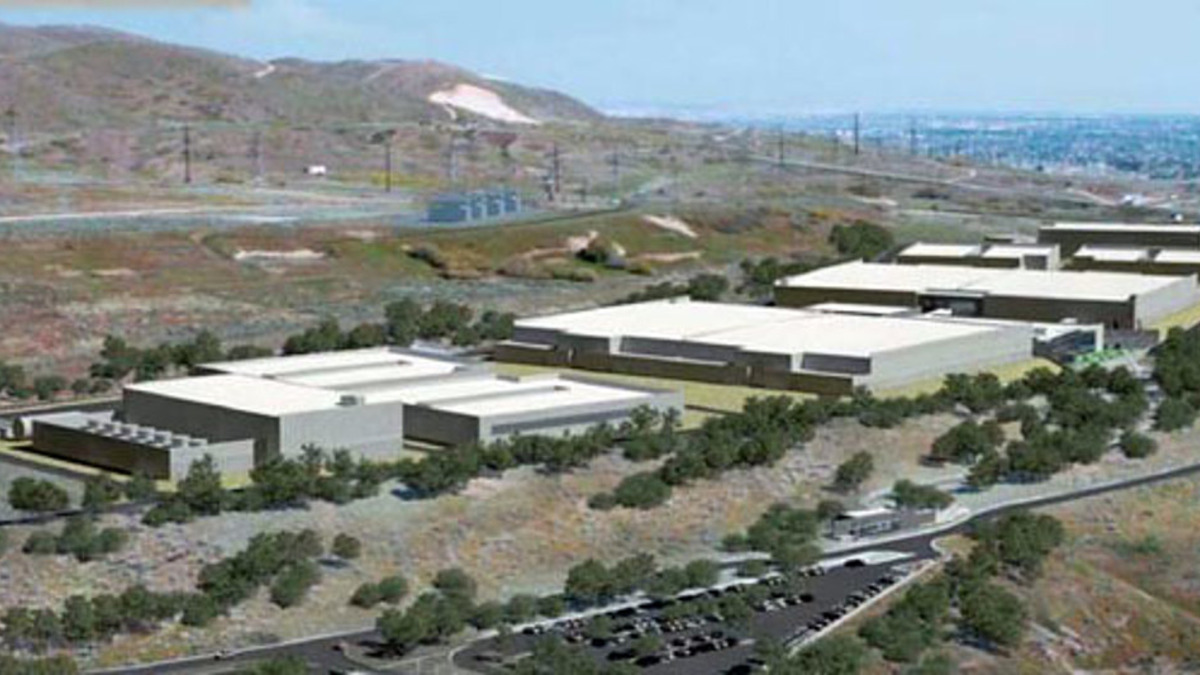 Hyperscale data centers now require gigawatts of dedicated power - the central driver behind NextEra's acquisition of Dominion Energy.
Source: commons.wikimedia.org
Hyperscale data centers now require gigawatts of dedicated power - the central driver behind NextEra's acquisition of Dominion Energy.
Source: commons.wikimedia.org
Who Pays
Dominion shareholders carrying dilution risk
The 23% premium looks better before you account for the math. NextEra's stock fell 5% on deal day, which trimmed the actual value of the exchange ratio right away. Dominion shareholders are also accepting minority status - 25.5% - in a NextEra-controlled business. They swap operating control for a premium that partially eroded before the press release finished printing.
The 12-18 month approval gauntlet adds its own cost. The deal requires sign-off from FERC, the Nuclear Regulatory Commission, and state utility commissions in Virginia, North Carolina, and South Carolina. Any one of those bodies can delay or add conditions. Both sets of shareholders sit with uncertainty through at least mid-2027.
Dominion CEO Robert Blue put a confident face on the process: "We have some experience getting deals done." Virginia and the Carolinas have historically approved major utility mergers with conditions rather than rejections, so the regulatory math isn't hopeless - it's just slow.
Residential customers facing rate questions
NextEra and Dominion announced $2.25 billion in bill credits for customers in Virginia and the Carolinas as part of the deal, citing scale savings that a combined entity can deliver. That framing deserves scrutiny.
Regulated utilities earn returns on their rate base - the value of their capital assets. When an utility adds 51 GW of data center infrastructure to that rate base, the investment costs flow into the rate proceedings that determine what ordinary customers pay. The hyperscalers are direct customers with large negotiated contracts. Everyone else gets whatever the state commission allows through.
The question for regulators in Virginia and the Carolinas: does serving Amazon and Google's data center build-out lower average costs across all customers through efficiency, or does it shift infrastructure investment onto households that had no say in the deal? The $2.25 billion credit is a political downpayment, not a structural answer.
NVIDIA's $4 billion photonics investment for AI data centers signals that the hardware side of AI infrastructure keeps accelerating regardless of who controls the wires. Whether the grid can keep up without concentrating costs on people who live near data centers but don't work in them is the policy question this merger puts front and center.
BTIG analyst Alex Kania described the deal as "a step to a return to the integrated utility model" that could address resource adequacy challenges in the PJM grid. That reads as analytically correct. The less diplomatic version: AI's electricity appetite is now large enough to restructure the companies that own the grid itself, not just negotiate the rates they pay.
NextEra is betting $67 billion that this demand is permanent and that the only entity positioned to serve it profitably is one with a 130 GW construction backlog and a footprint stretching from the Carolinas to Florida - a thesis that'll take at least two years of regulatory hearings to begin testing.
Sources:

