
Musk v. Altman Trial Opens - OpenAI's Future at Stake
A federal trial over OpenAI's shift from nonprofit to for-profit opened in Oakland on April 28, with Musk seeking $134B in damages, Altman's removal, and a full corporate reversal.
 6 min read
A nine-person jury was seated in Oakland's federal courthouse on Monday. Opening arguments began Tuesday morning. The most scrutinized AI lawsuit in history is now a live trial, with Judge Yvonne Gonzalez Rogers presiding over a case that could force the world's most valuable AI company to undo its entire corporate structure.
Elon Musk filed the lawsuit in 2024, accusing OpenAI, Sam Altman, Greg Brockman, and Microsoft of betraying the charitable mission under which OpenAI was founded. After years of motions and pre-trial rulings that stripped the case down to its core, two claims remain: breach of charitable trust and unjust enrichment. The liability phase runs through May 21.
TL;DR
- Nine-person advisory jury seated April 27; opening arguments started April 28 in Oakland federal courthouse
- Two surviving claims: breach of charitable trust and unjust enrichment against OpenAI, Altman, Brockman, and Microsoft
- Musk seeks $134B in wrongful gains redirected to OpenAI's nonprofit arm, plus Altman's removal and reversal of the 2025 for-profit conversion
- Judge Gonzalez Rogers - not the jury - makes the final ruling; jury is advisory only
- Musk, Altman, Satya Nadella, and top OpenAI executives are all expected to testify over the next four weeks
The Foundation Musk Claims Was Stolen
From Idea to $852 Billion
Musk contributed roughly $38 million to OpenAI between December 2015 and May 2017, then departed the board in 2018. At the time of his departure, OpenAI was a San Francisco nonprofit. Today it's an $852 billion company backed by Microsoft, Google, and SoftBank, with a planned IPO that would make it one of the largest public offerings in tech history.
The gap between those two states is what Musk is suing over. His attorneys argue he was drawn in by specific promises: that OpenAI would be nonprofit, that it'd publish its research openly, and that safety - not shareholder return - would drive every major decision. He alleges those promises were conditions of his investment, not incidental background noise.
The Two Claims That Survived
Of the original 26 allegations, pre-trial rulings reduced the case to breach of charitable trust and unjust enrichment. Both are directed at Altman, Brockman, and OpenAI itself. Microsoft is named separately for allegedly aiding and abetting the breach, with the connection running through its multibillion-dollar investment partnership that began in 2019.
Musk is not asking for a personal payout. He wants any damages redirected to OpenAI's charitable arm, which still formally oversees the for-profit entity. He also wants Altman and Brockman removed from leadership and the October 2025 for-profit conversion reversed completely.
Day One - What Happened in the Courtroom
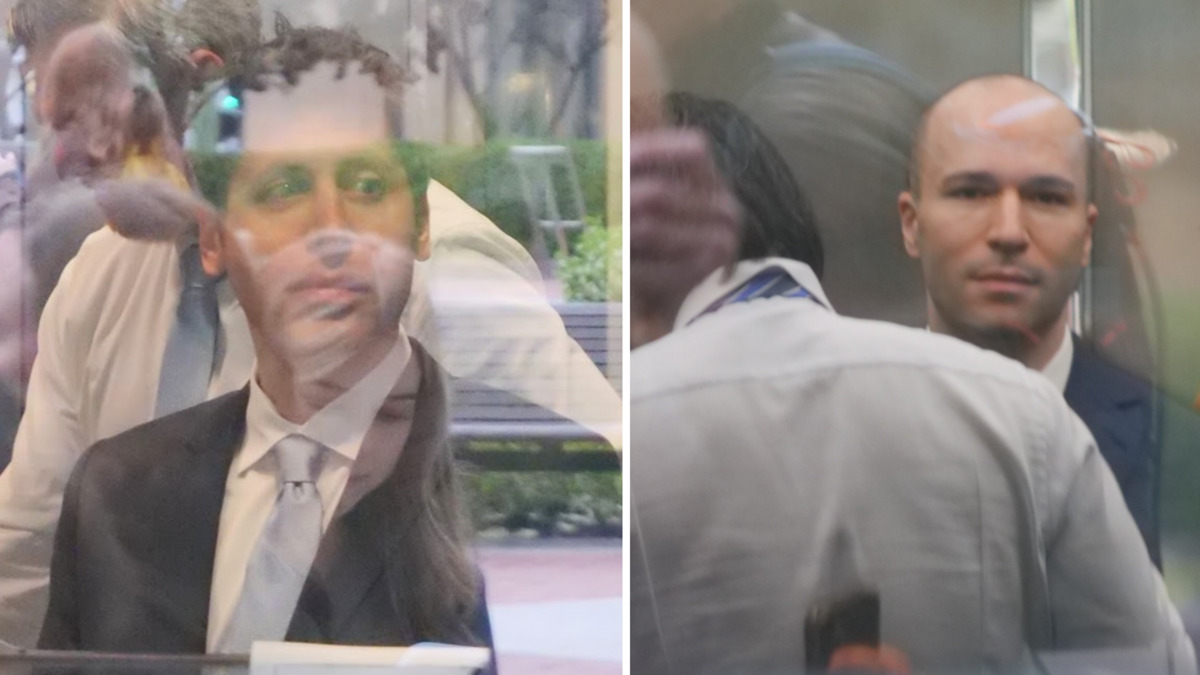 Sam Altman and Greg Brockman arrived at the Oakland federal courthouse as jury selection began.
Source: geekwire.com
Sam Altman and Greg Brockman arrived at the Oakland federal courthouse as jury selection began.
Source: geekwire.com
Altman attended Monday's jury selection in a dark suit and light blue tie, sitting in the front row behind the lawyers' tables. Musk didn't appear. He's expected on the stand later in the proceedings.
Outside the courthouse, a small group of protesters gathered. One carried a large balloon depicting Musk in a pose that made headlines of its own. Inside, the more charged moment came from the bench.
"There are a lot of people out there who don't like your client," Judge Rogers told Musk's lead attorney, referring to the challenges jury selection would face given Musk's public profile.
OpenAI's lead attorney, William Savitt, kept his post-session remarks brief.
"It's a good jury, and they're going to hear the facts, and we're going to get a verdict," Savitt told reporters outside.
Musk spent Monday posting on X. He called Altman "Scam Altman" and Brockman "Greg Stockman," described the whole matter as OpenAI "stealing a charity," and wrote that "the fate of civilization is at stake" - language he has used to justify his public campaign against his former organization.
A Crucial Structural Detail
The jury is advisory, not binding. Judge Rogers makes the final legal ruling, with the jurors' non-binding verdict informing but not controlling her decision. That structure matters in a case built on charitable trust law, which is technical enough that legal interpretation will outweigh emotional appeal. Each side has 22 hours of presentation time; Microsoft has 5.
The OpenAI Pivot That Triggered Everything
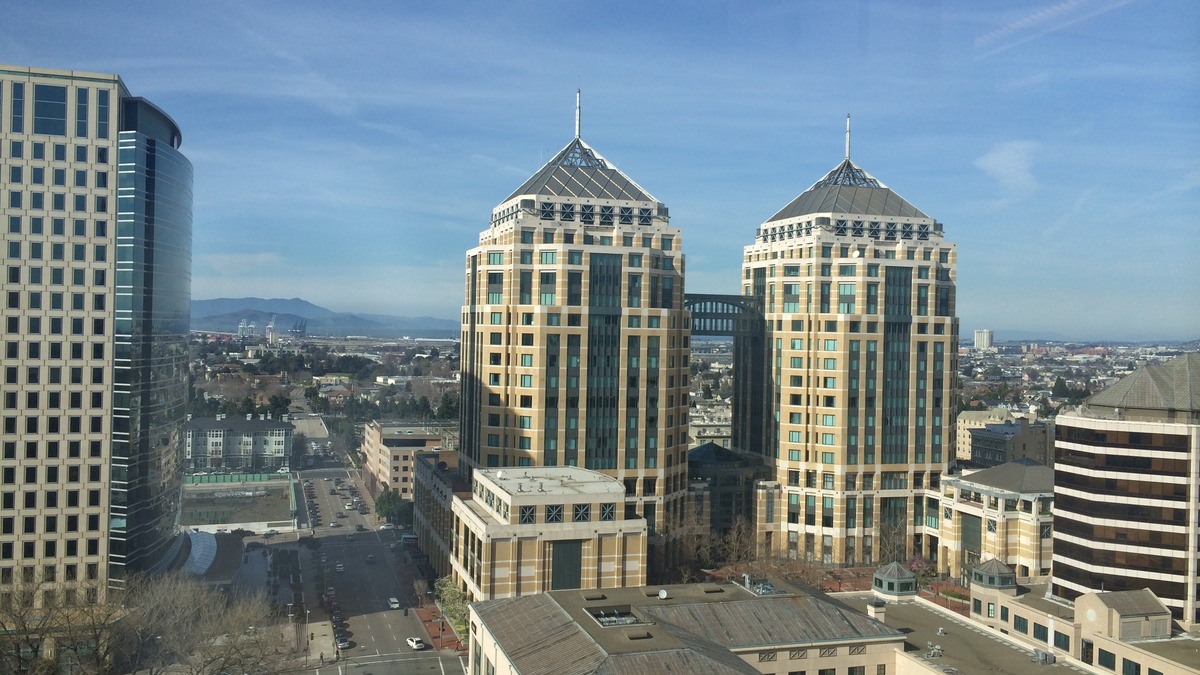 The Oakland federal courthouse where the trial is taking place.
Source: commons.wikimedia.org
The Oakland federal courthouse where the trial is taking place.
Source: commons.wikimedia.org
OpenAI's conversion from a capped-profit LLC into a fully restructured for-profit company completed in October 2025 is the event the lawsuit orbits. The company's public logic was straightforward: competing at the frontier of AI requires capital that no nonprofit structure can attract.
Musk's response, previewed in his March 2026 deposition testimony, is that the original donors funded a specific charitable mission. That mission can't be converted retroactively into shareholder equity without donor consent, regardless of whether the commercial logic is sound.
OpenAI's defense, outlined in earlier filings, is that the nonprofit arm still controls the for-profit entity and retains the power to direct its resources. The conversion, they argue, preserved the mission rather than abandoning it.
Who Will Testify
April 28 - Opening arguments. Both sides present their core narrative to the court.
Week 2-3 - Testimony expected from Altman, Brockman, and current OpenAI leadership. Internal communications from OpenAI's founding years are expected to enter the record.
Week 3-4 - Musk expected to testify. Microsoft CEO Satya Nadella also on the witness list.
May 21 - Target date for the liability phase to conclude.
What the Outcome Determines
The stakes aren't abstract. Three distinct outcomes are possible depending on how far the ruling goes.
For OpenAI, a loss on the charitable trust claim could trigger a court-ordered restructuring that unwinds the 2025 conversion and delays or kills the IPO. The company has spent years and hundreds of billions of dollars building toward a public market exit.
For Microsoft, a finding that it aided and abetted the breach of trust could put its investment partnership under legal scrutiny and expose the equity arrangements it holds to clawback.
For the sector overall, the precedent matters most. At least a dozen AI organizations started as nonprofits or research institutes before pivoting to commercial structures. A ruling that charitable conversion without donor consent violates trust law would change how every future AI lab is structured and what founding agreements can and can't say.
Whatever Judge Rogers ultimately decides, the trial record itself carries independent value. Four weeks of sworn testimony from Altman, Musk, Nadella, and the people who were in those early rooms will produce a granular account of how OpenAI's mission was defined, who agreed to what, and when the for-profit turn began in practice rather than on paper. That account will matter long after the verdict.
Sources:
- Local News Matters: Musk v. Altman Day 1 - jury selected as trial begins in Oakland
- SFist: Jury selection begins in trial pitting Elon Musk against OpenAI
- Techloy: 12 things to know as opening arguments begin
- ABC7: Musk v. Altman live updates
- NPR: Musk vs. Altman, tech CEOs head to court
- Al Jazeera: Elon Musk trial to reveal OpenAI power struggle

