
Midjourney Asks Court to Expose Studio AI Practices
Midjourney has asked a federal judge to compel Disney, Universal, and Warner Bros. to disclose their own AI training practices - using the studios' conduct as a fair-use and unclean-hands defense in a high-stakes copyright case.
 6 min read
Disney invested $1 billion in OpenAI last year. Now a federal judge may force the company to open its internal files and explain exactly how it uses generative AI in its own productions.
That's the upshot of a court motion Midjourney filed this week in the Central District of California, where the San Francisco AI company is fighting copyright infringement claims brought by Disney, Universal, and Warner Bros. Discovery. The motion asks Judge John Kronstadt to reverse a June ruling by Magistrate Judge Joel Richlin - one that lets the studios hand over only documents relating to "consumer-facing" AI products and nothing more.
TL;DR
- Disney, Universal, and Warner Bros. sued Midjourney in 2025 for allegedly generating images of copyrighted characters including Darth Vader, Batman, and Homer Simpson
- A magistrate judge ruled in June 2026 that studios must disclose AI use only for consumer-facing products, not internal creative tools
- Midjourney has appealed that ruling, arguing the studios use the same AI training practices they're suing Midjourney for using
- The "unclean hands" defense could force studios to reveal AI training datasets, model weights, and board-level AI strategies
- The court's ruling will shape what kind of internal AI evidence is admissible in future copyright cases against AI companies
The Lawsuit That Started This
Disney and Universal sued Midjourney in mid-2025, alleging the AI image generator trained its models on copyrighted content and lets paying subscribers create endless variations of protected characters. Warner Bros. joined the case shortly after. The characters at issue span decades of intellectual property: Darth Vader and Shrek sit with Batman, Superman, and Homer Simpson.
Midjourney's core defense is fair use - the legal doctrine that allows limited use of copyrighted material without permission. The company argues that training on publicly available images is an established and lawful practice.
The unclean hands argument
But Midjourney isn't stopping at fair use. Its lawyers have added a second defense: unclean hands. Under that doctrine, a party can't sue for conduct it is engaged in itself. To make that defense work, Midjourney needs the studios' own internal documents about how they train and deploy AI in their productions.
That's where the discovery dispute comes in.
The Magistrate's Ruling
In June, Magistrate Judge Joel Richlin drew a line. He ruled that Disney, Universal, and Warner Bros. would have to produce documents about their "consumer-facing" generative AI applications - things the public can actually see, like the AI tools embedded in streaming apps or publicly marketed products.
What he excluded was everything else: internal storyboarding tools, AI used in script development, image models trained for visual effects, board presentations on AI strategy, model weights, and training datasets.
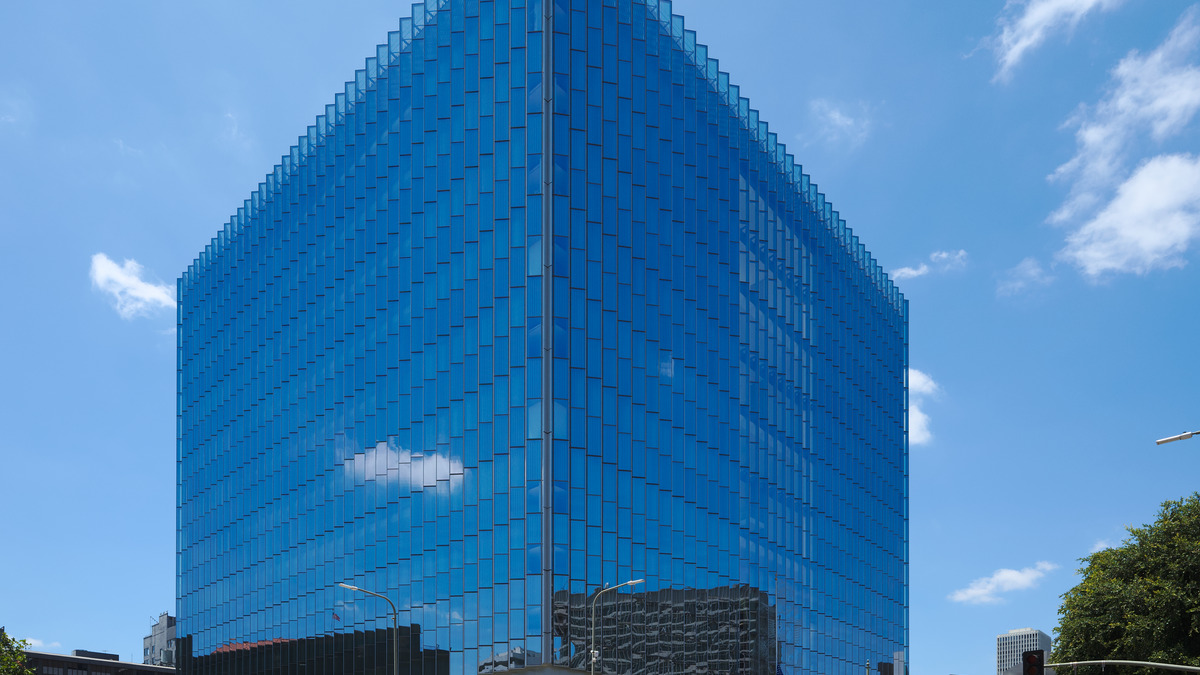 The case is being heard in the Central District of California in Los Angeles.
Source: commons.wikimedia.org
The case is being heard in the Central District of California in Los Angeles.
Source: commons.wikimedia.org
Midjourney's lawyers filed a motion this week asking Judge Kronstadt to overturn that ruling. Their argument: the magistrate's restriction "unfairly" allows the studios to "cherry-pick only those documents they believe support their market harm claims while depriving Midjourney of documents that would support its defenses."
Midjourney's Countermove
The motion is precise about what Midjourney wants. It seeks access to the studios' AI business plans, research reports, training datasets, model weights, internal development work in storyboarding and ideation, all prompts the studios used with Midjourney itself - along with the outputs those prompts generated - and board-level presentations on the companies' AI strategies.
Midjourney's attorney Bobby Ghajar put the logic plainly:
"If Plaintiffs are doing the very thing they seek to punish, that evidence goes to the heart of Midjourney's fair use and unclean hands defenses."
The company goes further. It argues that if the studios are training AI on unlicensed, third-party copyrighted data for internal use in storyboarding or ideating films and TV shows, that would show "industry custom." In other words: if every major studio does it, it's hard to argue that Midjourney doing it forms the kind of exceptional wrongdoing that merits a lawsuit.
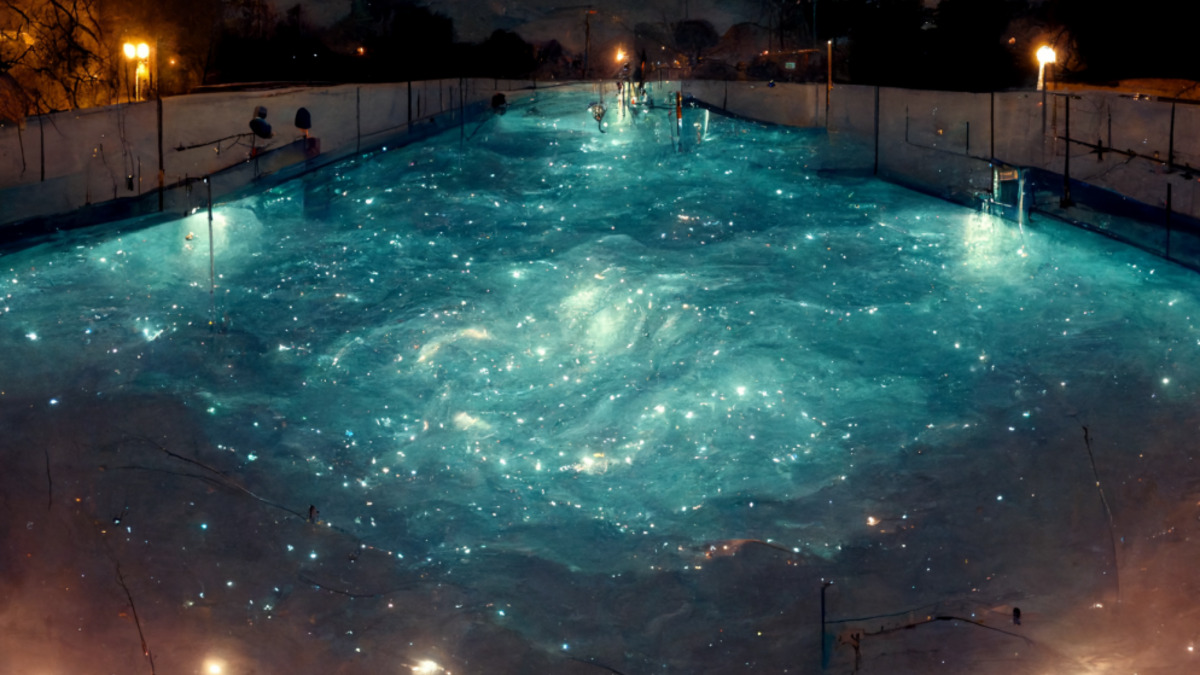 Midjourney lets users generate photorealistic and stylized images from text prompts.
Source: commons.wikimedia.org
Midjourney lets users generate photorealistic and stylized images from text prompts.
Source: commons.wikimedia.org
The Studios Fight Back
The studios are not conceding the point. Their lead attorney, David Singer, characterized Midjourney's document requests as a "fishing expedition," designed to distract from what he calls straightforward infringement. His position, stated plainly: the studios "simply want Midjourney to stop copying their movies and TV shows and to stop distributing, publicly displaying, publicly performing, and creating derivative works that include copies of Plaintiffs' famous characters without authorization."
The studios agreed in June to turn over information about consumer-facing AI - but nothing internal. Their argument is that how they develop films or test AI tools behind closed doors has no bearing on whether Midjourney infringed on their copyrights. Discovery, in their view, should be proportional to what's actually in dispute.
That position is legally defensible. But it sits uncomfortably with what industry insiders have said about studio AI use for months. In February, Ankler Media CEO Janice Min told Business Insider that studios are "using it more" than they publicly admit, and stated with "some certainty that every single best picture nominee this year has used AI in its production process." Min described the Academy Awards as operating under a "don't ask, don't tell" AI policy.
That piece of the picture matters here, because our earlier investigation into Hollywood's AI practices found a systematic gap between what studios say publicly and what they do privately.
The Industry Custom Problem
Midjourney's industry custom argument is the one the studios appear most worried about, because it doesn't just affect this case. If a court accepts that training on unlicensed data is a widespread industry norm - practiced by the very companies suing Midjourney - it undermines the legal basis for claims that Midjourney's conduct was uniquely harmful or unlawful.
The stakes are compounded by a visible contradiction: Disney invested $1 billion in OpenAI, a company that has faced copyright lawsuits from Britannica, Merriam-Webster, and numerous news publishers over its own training data practices. The studio is simultaneously a financial backer of generative AI at scale and a plaintiff in a case about generative AI's relationship to copyright.
This case isn't the only copyright fight reshaping the industry. ByteDance faced similar pressure over its Seedance video model when Disney, Paramount, and Warner Bros. threatened its global rollout with cease-and-desist letters. The pattern is consistent: studios pursue legal action against AI companies for using copyrighted training data, while their own internal AI use remains opaque.
What Judge Kronstadt Decides
Judge Kronstadt now faces a genuinely difficult call. Granting Midjourney broad discovery could expose studios to exactly the kind of internal disclosure they've fought to avoid - and could set a precedent that weakens future copyright plaintiffs' ability to limit discovery in AI cases. Denying it leaves Midjourney without evidence that is directly relevant to two of its core defenses.
Whatever he rules, the outcome will carry weight beyond this case. AI companies facing copyright claims will be watching to see whether courts allow reciprocal discovery into plaintiffs' AI practices - or whether the asymmetry that currently defines these cases holds.
The next filing deadline has not been publicly confirmed.
Sources:
- TechCrunch - Midjourney wants Hollywood studios to reveal the details of their AI usage
- Engadget - Midjourney wants studios that sued it to show court how they use AI
- Variety - Midjourney Seeks to Reveal Studios' Use of AI in High-Stakes Copyright Battle
- AV Club - Midjourney's "Everybody's doin' it" defense
- NewsCord - Midjourney Asks Federal Court To Compel Disney, Universal, Warner Bros. To Disclose AI Training

