
Meta Deploys Tent Data Centers to Halve AI Build Time
Meta is building tent-style rapid deployment structures at its Ohio Prometheus facility, cutting construction timelines roughly in half and bypassing grid delays with off-grid gas power.
 6 min read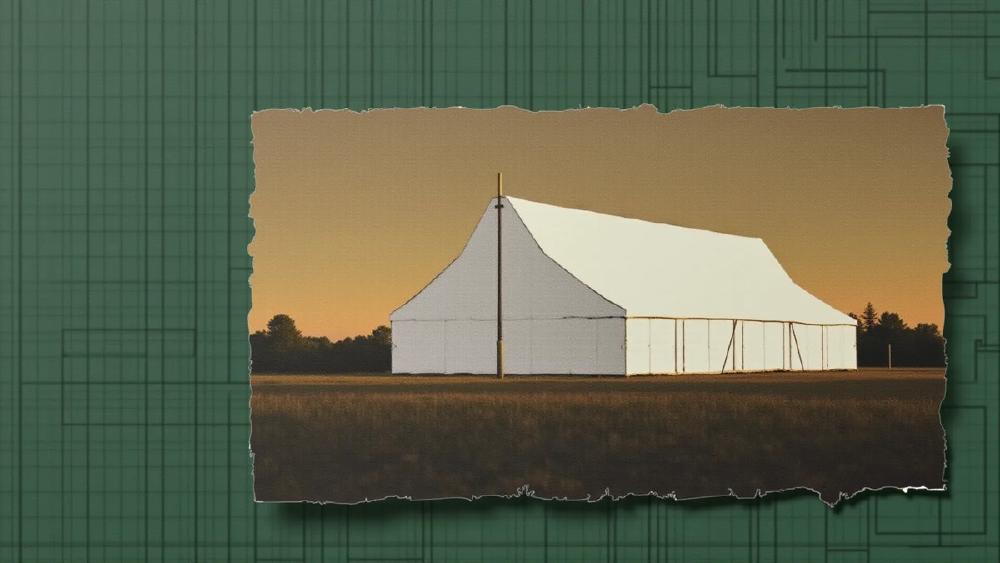
When Tesla needed to hit Model 3 production targets in 2018, Elon Musk put a factory inside a tent. It worked. Now Meta is applying the same logic to data centers, and the numbers behind the decision say more about the current state of the AI race than any benchmark result.
TL;DR
- Meta built six tent-based "rapid deployment structures" at its 1 GW Prometheus facility in New Albany, Ohio, cutting construction time roughly in half
- A 10-year deal with Williams supplies two 200 MW off-grid gas power plants, sidestepping grid connection delays
- Prometheus targets over 1 GW by end of 2026; Hyperion in Louisiana plans for up to 5 GW over several years
- Meta's total data center capex sits at $145 billion - the heaviest infrastructure commitment in the industry
The Race No One Can Pause
The first five permanent buildings at Meta's New Albany campus took two to three years to construct. That's the industry standard. The problem is that frontier AI training doesn't pause for building permits and grid interconnects.
So Meta started building tents.
Beginning in April 2026 and continuing through June, the company erected six "rapid deployment structures" at its Prometheus facility - rectangular buildings made from puncture-resistant, waterproof fabric stretched over aluminum substructures. Five of the six structures measure 125,000 square feet each. Satellite imagery confirms all six are now in place. Construction time: roughly half the traditional timeline.
The tents aren't temporary in the way that word usually implies. They're intended to house production AI compute at scale, backed by 200 megawatts of modular off-grid gas turbines. Meta signed a 10-year deal with Williams to build a pair of those 200 MW plants, bypassing grid connection delays that would otherwise add months to the timeline.
 Meta CEO Mark Zuckerberg has publicly committed to building "several multi-GW clusters" to power the company's AI push.
Source: commons.wikimedia.org
Meta CEO Mark Zuckerberg has publicly committed to building "several multi-GW clusters" to power the company's AI push.
Source: commons.wikimedia.org
Meta's Infrastructure Portfolio
The Prometheus facility is just the first piece.
| Facility | Location | Power Target | Deployment Method | Expected Online |
|---|---|---|---|---|
| Prometheus | New Albany, OH | 1 GW+ | Tent structures + off-grid gas turbines | 2026 |
| Tennessee | TBD | Undisclosed | Tent structures | TBD |
| Hyperion | Richland Parish, LA | Up to 5 GW | Conventional + expansion | Multi-year |
Prometheus, once fully online, will be the first gigawatt-scale AI data center in the world, according to infrastructure analysts at Semi-Analysis. Hyperion, Meta's Louisiana project, is planned at a scale that's hard to process: 2,250 acres, four million square feet of floor area, and the potential to reach 5 GW over several years - a footprint comparable to a significant chunk of Manhattan. The Tennessee facility uses the same tent approach, bringing the total count of rapid deployment data center sites to three.
Zuckerberg spelled out the vision in a Threads post earlier this year:
"We're actually building several multi-GW clusters. We're calling the first one Prometheus and it's coming online in '26. We're also building Hyperion, which will be able to scale up to 5GW over several years. We're building multiple more titan clusters as well. Just one of these covers a significant part of the footprint of Manhattan."
The company has committed $145 billion in capital expenditure for data center infrastructure. That figure has made investors nervous - but Meta is pressing forward.
The Tesla and xAI Playbook
The tent idea didn't originate with Meta. Tesla's 2018 production crisis at its Fremont factory, where the company built a full assembly line under canvas to hit Model 3 output targets, proved that fabric structures could support serious industrial operations.
Off-grid gas turbines have a more recent precedent. xAI rolled out mobile turbine units to power its Colossus facility in Memphis - 35 turbines producing 422 MW at peak, brought online in months rather than years. The approach attracted EPA scrutiny over air permitting classifications, and the agency updated its rules in response. But the speed advantage was real. xAI had 100,000 Nvidia GPUs running in Memphis before most companies had broken ground on comparable facilities.
Meta watched. Now it's combining both tactics: tent construction for speed and gas turbines for power, at a scale xAI hasn't attempted. You can read more about the regulatory friction that method created in the coverage of xAI's unpermitted Colossus turbines.
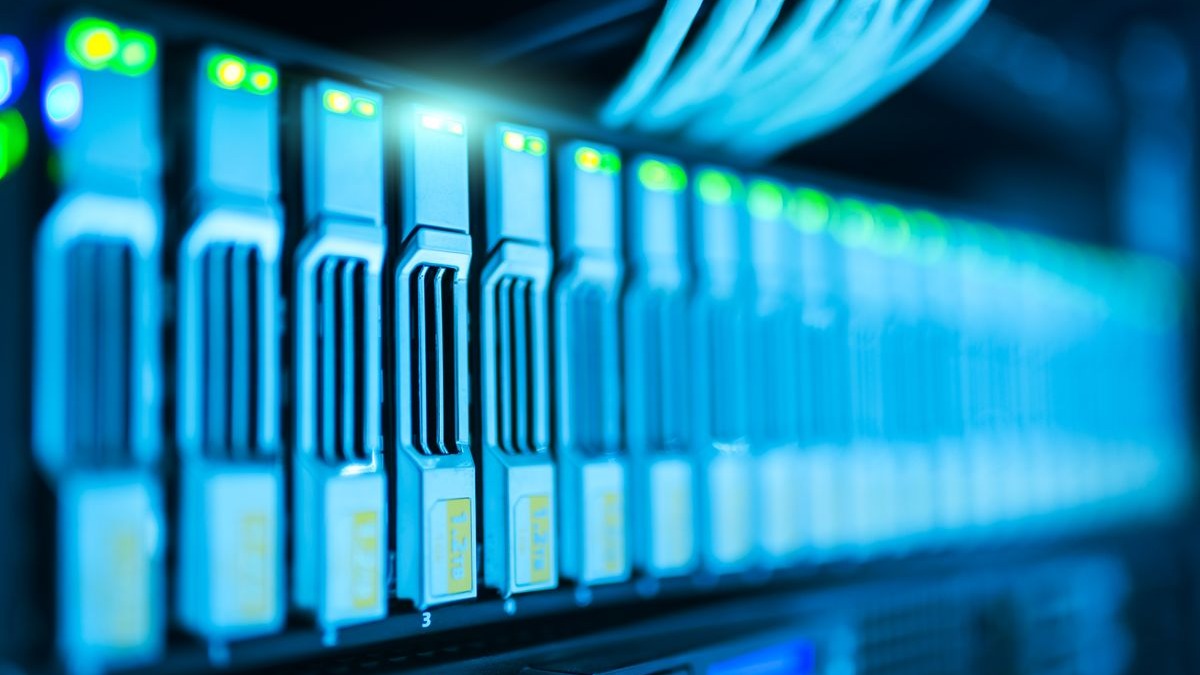 The hardware inside Meta's tent structures is the same production-grade compute as any permanent facility - the difference is only the enclosure.
Source: pexels.com
The hardware inside Meta's tent structures is the same production-grade compute as any permanent facility - the difference is only the enclosure.
Source: pexels.com
Counter-Argument: What Could Go Wrong
The tent approach has real risks, and it's worth being precise about them.
Heat Is the Main Problem
Data center hardware generates major heat. Traditional data centers invest heavily in cooling infrastructure. Fabric structures don't offer the same thermal stability, and in a hot Ohio summer, the equipment inside faces ambient temperatures that permanent buildings would handle mechanically. Meta may need to throttle or shut down some workloads on the hottest days to protect hardware - exactly what you don't want when you're trying to accelerate AI training runs.
Gas Turbines Create Regulatory Exposure
xAI's experience in Memphis established that off-grid turbines invite regulator attention. The EPA's updated rules make it harder to classify trailer-mounted turbines as "non-road engines," which means air permitting requirements now apply. Meta's Williams deal involves permanent plants, not trailers, which may put it on stronger legal footing - but the scrutiny is real, and it's growing as more AI companies adopt the same power strategy.
Investors Aren't Convinced
Meta's Q1 2026 results were strong by revenue metrics, but the capex commitment still rattled the market. When a company announces $145 billion in infrastructure spending, the question investors ask isn't whether the tents can hold up - it's whether the revenue will take shape fast enough to justify the outlay. Meta is betting the AI compute advantage it's building today translates into product advantages and monetization within the next two to three years.
The broader industry is in similar territory. Big tech's collective AI capex is approaching $650 billion, with few clear answers yet about where the returns come from.
What the Market Is Missing
The tent data centers aren't a sign of desperation. They're a sign of priority.
Meta can build permanent facilities in parallel - and it is, at Hyperion and elsewhere. The Ohio tents exist because the compute is needed now, not in 2028. The AI race doesn't wait for architects.
The deeper question is whether moving first on gigawatt-scale compute translates into a durable advantage in models and products. Meta is betting it does. The company is building ahead of its own model release schedule, ahead of developer API demand, ahead of any clear revenue signal from its AI investments.
That's the same bet every major player is making right now. What's different about Meta's approach is the willingness to use fabric walls and gas turbines to shave six months off the timeline - and the scale at which it's doing it.
Sources:
- Meta steals a tactic from Tesla and builds data centers in tents - TechCrunch
- Meta is building AI data centers in tents and isn't slowing down - Tom's Hardware
- Meta's Data Center Strategy and the Mad Max Phase of the AI Boom - Distilled
- Zuckerberg Threads post on multi-GW clusters - Sherwood News
- Meta Adopts Tesla-style Tent Data Centers And xAI's Off-grid Power - Bitcoin World
- Meet Prometheus: World's highest capacity data center opening in Ohio in 2026 - Yahoo Tech

