
Meta Commits $27B to Nebius AI Cloud Over Five Years
Meta signs a five-year, $27 billion AI infrastructure agreement with Nebius Group, marking one of the largest cloud computing contracts ever announced.
 6 min read
Meta Platforms signed a five-year agreement with AI cloud provider Nebius Group on Monday worth up to $27 billion, making it one of the largest single procurement contracts in the history of cloud computing. Nebius stock surged 15% to $129.47 in premarket trading. The deal follows Nvidia's $2 billion investment for an 8.3% stake in Nebius announced just five days earlier.
TL;DR
- Meta commits up to $27 billion to Nebius over five years, starting early 2027
- $12 billion is firm dedicated capacity; the remaining $15 billion is optional if Nebius can't sell it elsewhere
- One of the first large-scale deployments of Nvidia's Vera Rubin platform - new next-gen chips
- Nebius stock jumped ~15% after the announcement; Nvidia invested $2B in Nebius five days prior
- Meta's 2026 AI capex guidance: up to $135 billion
The deal is structured in two parts. The committed tranche - $12 billion in dedicated capacity - is reserved exclusively for Meta across multiple geographic locations, with deliveries starting early 2027. The optional tranche is up to $15 billion in additional compute that Nebius is building for the open market; Meta gets first refusal if Nebius can't sell it to someone else. That second number is a ceiling, not a commitment.
Who Nebius Is
Nebius isn't a household name, but it isn't a startup either. The company was carved out of Yandex's international operations in 2022 and listed on Nasdaq in 2024. Its founder, Arkady Volozh, also co-founded Yandex - Russia's dominant search engine before the country's invasion of Ukraine prompted him to cut ties with the Russian business and rebuild from Amsterdam.
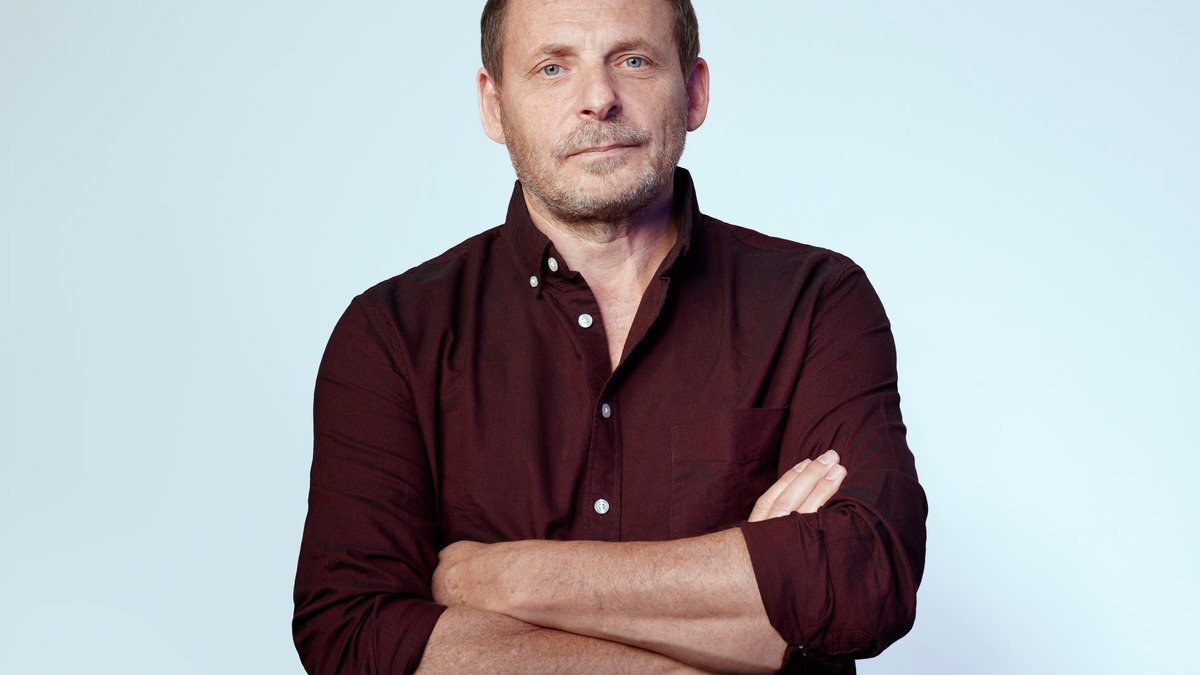 Arkady Volozh, who co-founded Yandex and now leads Nebius Group from Amsterdam.
Source: nebius.com
Arkady Volozh, who co-founded Yandex and now leads Nebius Group from Amsterdam.
Source: nebius.com
Nebius operates a full-stack AI cloud platform - data preparation, model training, production inference - targeting startups and enterprises that don't want to depend solely on the major hyperscalers. It sits in the same "neocloud" tier as CoreWeave, which went public earlier this year with its own aggressive infrastructure spending bet. Unlike CoreWeave, which is mostly US-focused, Nebius has built out capacity in Finland and other European locations.
This deal is an expansion of a prior $3 billion Meta-Nebius agreement signed in November 2025. It also follows a separate $17.4 billion deal Nebius signed with Microsoft in September 2025. At roughly 1,400 employees, Nebius is now handling contract volume that rivals companies an order of magnitude larger.
| Deal | Partner | Value | Signed |
|---|---|---|---|
| Original Meta agreement | Meta | $3B | November 2025 |
| Microsoft infrastructure deal | Microsoft | $17.4B | September 2025 |
| Nvidia equity investment | Nvidia | $2B (8.3% stake) | March 11, 2026 |
| New Meta agreement | Meta | up to $27B | March 16, 2026 |
Who Benefits
The most obvious winner is Nebius. A $12 billion firm order transforms the company's revenue visibility overnight. Before Monday, Nebius was a credible but relatively young neocloud player that had landed a few large deals. After Monday, it has locked-in revenue from two of the world's biggest AI spenders - Meta and Microsoft - covering the bulk of its buildout costs for several years.
Nvidia benefits too, and the timing of its equity stake makes the structure clear. Nvidia invested in Nebius on March 11, five days before this deal closed. The Vera Rubin platform - Nvidia's next-generation chip architecture unveiled at GTC 2026 - is central to the infrastructure Nebius will deliver. Meta using Nebius to consume Vera Rubin capacity is also a statement of confidence in Nvidia's next chip generation at the exact moment rivals like AMD and custom silicon are competing hardest for hyperscaler budgets.
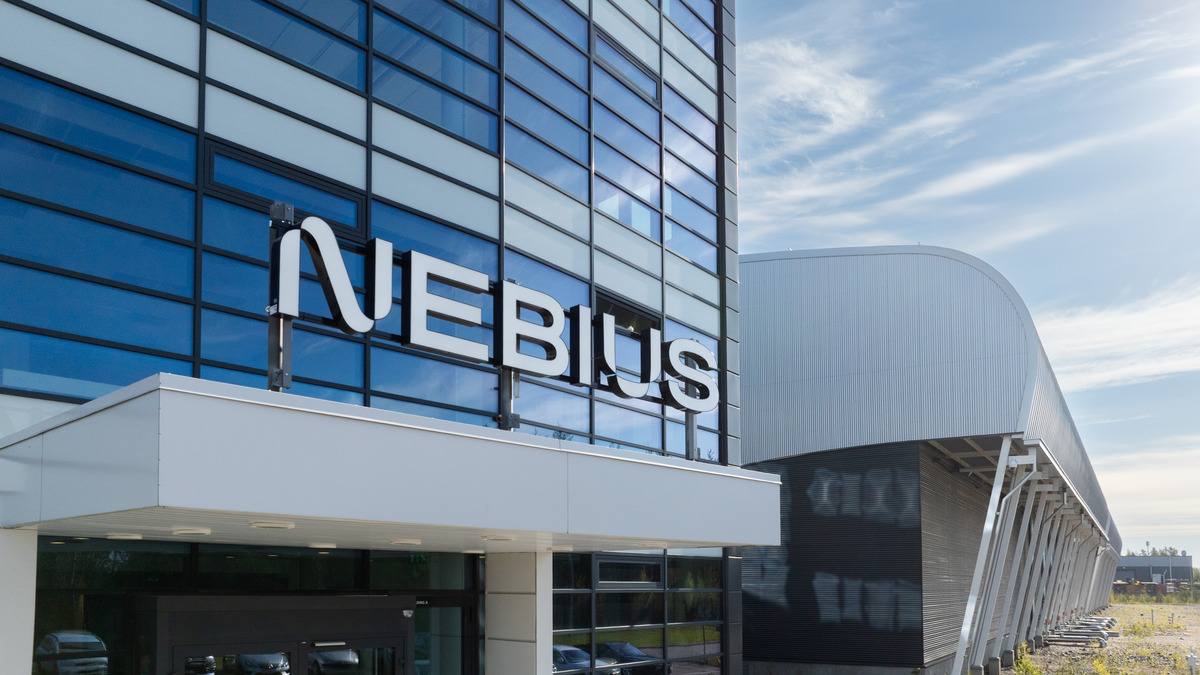 Nebius operates AI data center infrastructure in Finland, one of several European locations covered by the new agreement.
Source: nebius.com
Nebius operates AI data center infrastructure in Finland, one of several European locations covered by the new agreement.
Source: nebius.com
Meta also benefits - but the nature of that benefit is worth examining. Meta has guided $115-135 billion in AI-related capex for 2026. The company is building its own data centers aggressively. Outsourcing some of its compute to a neocloud rather than building every rack itself gives Meta burst capacity it can spin up faster than new owned infrastructure, without the long-term ownership costs. For a company already committed to spending more on AI chips this year than most countries spend on their entire defense budgets, flexibility on delivery timelines matters.
Who Pays
Meta's shareholders bear the cost of a company choosing to spend up to $27 billion on compute from a vendor rather than building its own. That isn't necessarily the wrong call. Meta has been expanding its own data center capacity through deals with Nvidia - a multi-billion GPU and CPU agreement was announced in February 2026 - while simultaneously securing capacity from third parties. The strategy hedges against supply chain delays on any single vendor.
But there's a meaningful caveat buried in the deal structure. The $15 billion optional tranche is not guaranteed revenue for Nebius and isn't guaranteed cost for Meta - it only triggers if Nebius can't sell that capacity to other buyers. In practice, given the current state of AI compute demand, most analysts would expect that capacity to be spoken for. Still, the headline number overstates Meta's firm commitment by about $15 billion.
Nebius's customers outside of Meta face a subtler cost: pricing pressure. When a company of Nebius's size locks the majority of its near-term capacity into long-term agreements with Meta and Microsoft, the supply available to smaller AI companies tightens. The neocloud market was supposed to offer an alternative to AWS, Azure, and GCP. At this scale, Nebius is increasingly resembling the thing it was meant to disrupt.
"We are pleased to expand our significant partnership with Meta as part of securing more large, long-term capacity contracts to accelerate the build-out and growth of our core AI cloud business," said Arkady Volozh, founder and CEO of Nebius.
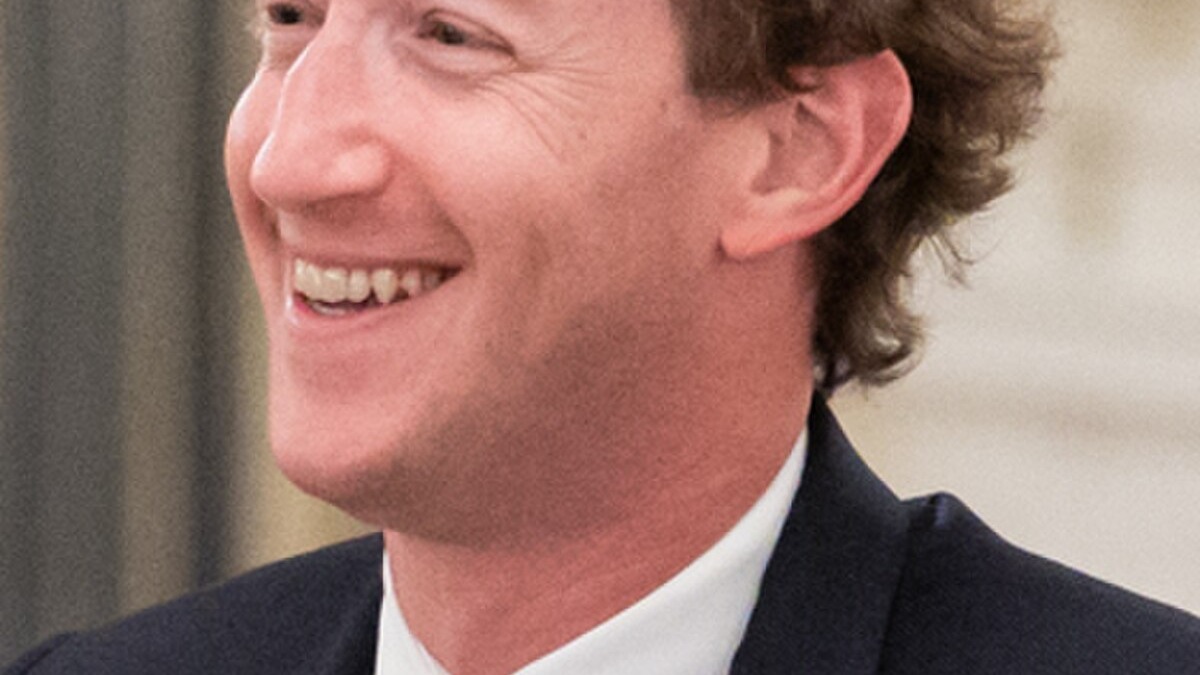 Meta CEO Mark Zuckerberg has committed the company to up to $135 billion in AI-related capital expenditure in 2026.
Source: Wikimedia Commons
Meta CEO Mark Zuckerberg has committed the company to up to $135 billion in AI-related capital expenditure in 2026.
Source: Wikimedia Commons
The Vera Rubin angle is worth watching. Delivery begins early 2027, which aligns with Nvidia's stated timeline for the platform's commercial availability. Meta is effectively pre-ordering a chip generation that doesn't yet exist at scale. If Vera Rubin ships late or underperforms relative to the specs Jensen Huang presented at GTC, Nebius and Meta both face difficult renegotiations. That risk doesn't appear in Monday's press release.
A $27 billion number makes for a memorable headline, but the firm commitment is $12 billion, Nvidia engineered its stake in Nebius five days before the announcement, and the optional tranche will almost certainly be consumed by a market that's structurally short on GPU capacity - making the eventual total as much a reflection of aggregate AI compute demand as of any special relationship between Meta and Nebius.
Sources: Nebius press release - MarketScreener - AP via WMBD Radio

