
Meta Mined Employee Keystrokes, Then Cut 8,000 Jobs
Leaked audio from a Meta all-hands reveals Zuckerberg used employee keystrokes and clipboard data to train AI models, days before laying off 8,000 staff.
 6 min read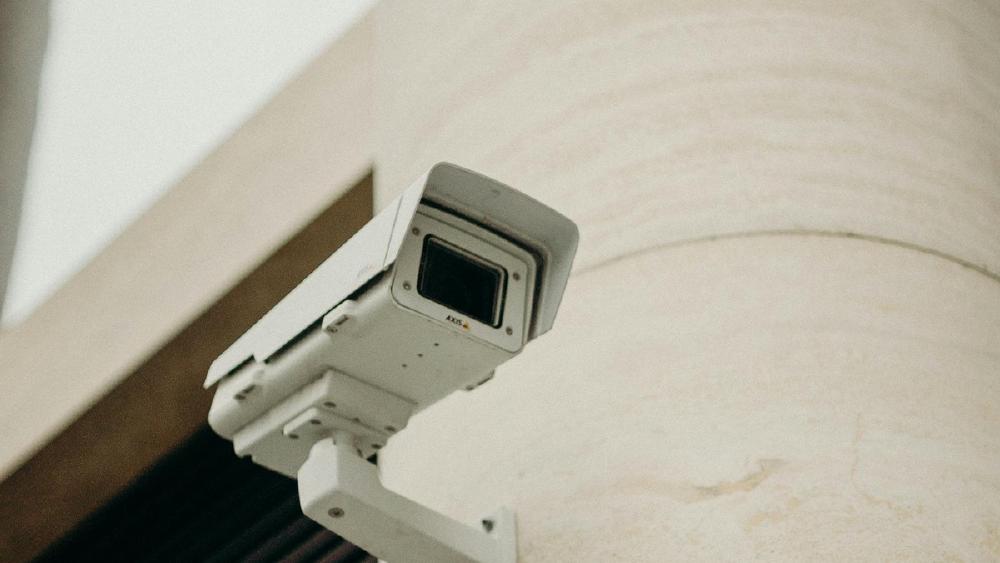
On May 20, Meta began laying off around 8,000 employees - around 10 percent of its global workforce of 78,865. One day earlier, labor-focused outlet More Perfect Union published a leaked recording from an April 30 all-hands meeting in which Mark Zuckerberg described, at length, how Meta had been running a program to use employees' own computer activity to train its AI models.
TL;DR
- Meta's "Model Capability Initiative" (MCI) tracked keystrokes, mouse clicks, clipboard contents, and screenshots across Gmail, VS Code, Google Chat, and internal tool Metamate
- Zuckerberg told staff in leaked audio that employees make better AI training subjects than outside contractors because they're "significantly smarter"
- CTO Andrew Bosworth confirmed there's no opt-out on corporate laptops
- More than 1,000 employees signed a petition citing NLRA labor protections; UK workers launched a union drive with United Tech and Allied Workers
The Model Capability Initiative
What It Captured
Installed on employee machines in April 2026, the Model Capability Initiative logged activity across four applications: Gmail, Google Chat, the internal AI assistant Metamate, and VS Code, which most of Meta's engineers use daily. The software captured mouse movements, button clicks, keystroke sequences, clipboard contents, and took periodic screenshots of work-related windows.
Meta's public framing was minimal: routine model training. The actual goal, as Zuckerberg explained privately on April 30, was more pointed.
The Justification
"The AI learns from watching really smart people do things. The average intelligence of the people who are at this company is significantly higher than the average set of people that you can get to do tasks."
That explanation was not intended for public consumption. When the recording leaked May 19, it arrived with a second detail from the same meeting: Zuckerberg told staff that discussing MCI openly was "not strategically in your interest."
 MCI silently logged activity in VS Code and Gmail on employee machines - with no opt-out available.
Source: pexels.com
MCI silently logged activity in VS Code and Gmail on employee machines - with no opt-out available.
Source: pexels.com
The Leaked Audio
Two Accounts, One Meeting
The April 30 all-hands generated two very different versions of what MCI was for. On the record, Zuckerberg offered a clean denial: "None of the data is being used for looking at what people are doing or surveillance or performance tracking or anything like that." The leaked recording from the same session told employees their work patterns were specifically chosen because their intelligence made them superior training subjects compared to paid contractors.
Both statements came from the same person, to the same audience, at the same meeting.
No Opt-Out
When an engineer asked about declining to participate, CTO Andrew Bosworth gave a short answer:
"There is no option to opt out on your corporate laptop."
For employees who used Gmail on a company machine - a common arrangement - this meant personal email activity was part of a mandatory AI training pipeline they hadn't agreed to and couldn't leave. Meta's employment relationship, in effect, included a data-collection clause that wasn't in any employment contract.
The Layoffs
8,000 Cuts, 7,000 Reassignments
On May 19, Meta moved 7,000 workers into AI-focused development roles. The next morning, at 4:00 a.m. Singapore time, layoff notifications began rolling out across Asia-Pacific, then Europe, then the United States. About 8,000 employees - 10 percent of the company - received notice that their jobs were gone.
Meta has announced between $125 and $145 billion in AI investment for 2026, double what it spent the prior year. The cuts are consistent with a company consolidating headcount around AI development while trimming costs elsewhere. The reassignments and layoffs aren't surprising on their own. The sequence is.
The Timing
MCI went live in April. The all-hands explanation was April 30. Leaked audio surfaced May 19. Layoffs began May 20. No public statement has addressed whether the data-collection period and the workforce reduction were planned in parallel. What the timeline shows is that a sizable portion of the 8,000 people let go spent the preceding weeks passively producing training data on the same laptops they handed back when they left.
Protesting workers described Meta as an "employee data extraction factory."
 Meta US offices, where employees placed protest flyers on walls, vending machines, and bathroom dispensers after MCI's purpose became clear.
Source: pexels.com
Meta US offices, where employees placed protest flyers on walls, vending machines, and bathroom dispensers after MCI's purpose became clear.
Source: pexels.com
The Pushback
The NLRA Petition
Reuters reported on internal organizing as early as May 12. Protest materials had already appeared across Meta's US offices - meeting rooms, vending machines, bathroom walls. Workers circulated a petition explicitly invoking the National Labor Relations Act, which protects the right to organize around working conditions. More than 1,000 employees signed it.
Software engineer Mack Ward put the concern plainly: "It's not too late to pump the brakes and consider how we, society, want to go about this."
The petition didn't call for a halt to AI development. It asked for consent mechanisms and transparency around data collection. Meta hasn't publicly responded to those demands.
UK Union Drive
British employees took an additional step. UK-based Meta workers began organizing with United Tech and Allied Workers, a union affiliated with the broader tech labor movement, and launched a recruitment site at Leanin.uk. Their stated grievances centered on the same issues as the US petition: no consent, no opt-out, and no clarity about how the training data would be used.
Apr 21, 2026 - Meta installs MCI on employee machines, describes it publicly as routine model training.
Apr 30, 2026 - Zuckerberg holds all-hands meeting; explains MCI logic in detail on what becomes a leaked recording.
May 8, 2026 - New York Times reports employee revolt forming inside the company.
May 12, 2026 - Reuters reports circulating NLRA petition with growing signatures.
May 19, 2026 - More Perfect Union publishes leaked audio; Meta separately moves 7,000 workers into AI teams.
May 20, 2026 - 8,000 layoffs begin at 4:00 a.m. SGT, rolling through European and US offices through the day.
What the Evidence Shows
The MCI story isn't unique in the abstract. Tech companies routinely collect behavioral data to improve AI products. Similar monitoring exists at other large employers, and passive data collection during work hours sits in a legal gray area in most jurisdictions.
What makes this case distinct is the combination of specifics. The collection was involuntary, undisclosed in meaningful terms, and applied to tools that blur the line between professional and personal use - notably Gmail. The subjects weren't contractors who opted into a task platform. They were full-time employees who had no choice and weren't clearly told what was happening.
The broader pattern of AI-driven workforce reduction across tech - Atlassian's 1,600 cuts in April, Cisco's 4,000, Dorsey's Block - has been marked by a consistent gap between what companies say and what the data shows. Employee monitoring programs at companies like Burger King have drawn attention to how AI is changing the terms of work itself, often without workers' knowledge until after the fact.
Meta isn't the first company to find itself in this position. It may be the first where the CEO's private justification is on tape - and where the layoff announcement followed by 24 hours.
Sources:
- Common Dreams: In Leaked Audio, Zuckerberg Tells Meta Workers He's Been Using Them to Train AI
- The Next Web: Meta employees protest new mouse-tracking software days before mass layoffs
- NPR: Meta slashes 8,000 jobs as it pivots towards AI
- Al Jazeera: Meta cuts 8,000 jobs in sweeping global layoffs
- ResultSense: Meta forces 7,000 onto AI teams; UK workers move to unionise
- ResultSense: Meta staff protest mandatory mouse-tracking software
- Welcome.AI: Meta's Employee Backlash Highlights Risks of Surveillance Practices

