
Meta Cuts Muse Image in 3 Days After Creator Revolt
Meta's Muse Image let anyone generate AI images from public Instagram accounts by default. SAG-AFTRA and CAA pushed back. The feature lasted 72 hours.
 6 min read
"You have control over how your content can be tagged for AI creation with an easy setting to turn this feature off at any time."
- Meta, Muse Image launch post, July 7, 2026
TL;DR
- What Meta said: Muse Image gives public Instagram users control with an "easy" opt-out
- What we found: all public adult accounts were auto-enrolled; no notification was sent when images were used; the opt-out required a four-step navigation path that security firms had to guide users through
- What happened: SAG-AFTRA's 160,000-member union and CAA publicly demanded an opt-in model; Meta pulled the Instagram @-mention feature after 72 hours
The Claim
On July 7, 2026, Meta launched Muse Image - the second model out of Meta Superintelligence Labs under Alexandr Wang, following April's release of Muse Spark. The new tool was a text-to-image generator available free via the Meta AI app, WhatsApp, and Instagram Stories, positioned as Meta's answer to OpenAI's GPT Image 2. The model was described as one that "thinks through your prompt first" before rendering.
The problematic feature was embedded in that launch: users could @-mention any public Instagram account in a prompt, and Muse Image would create new images drawing on that account's visual content. Meta called it a "creative" way to "bring specific Instagram profiles right into your images." For consent, the company offered one line: users have control via "an easy setting to turn this feature off at any time."
The feature lasted three days.
The Evidence
Opt-Out by Default
Every public adult Instagram account was automatically enrolled. Private accounts and users under 18 were excluded from the start - but everyone else was in. To leave, a user had to navigate to Profile > Menu > Sharing and reuse, then toggle off Posts and Reels under "Allow people to reuse your content on Instagram and with AI features at Meta."
That four-step path produced a wave of consumer guides within 24 hours. TechCrunch published a dedicated how-to on July 9. Forbes, Malwarebytes, and Bitdefender followed. When a cybersecurity company publishes a consumer privacy alert about a new social feature's settings, "easy" is doing a lot of work.
 Instagram users had no idea their public photos could be referenced in AI-generated images until security researchers and media coverage surfaced the issue.
Source: pexels.com
Instagram users had no idea their public photos could be referenced in AI-generated images until security researchers and media coverage surfaced the issue.
Source: pexels.com
No Notification
If someone referenced your account in a Muse Image prompt, you'd never know. The New York Times reported this gap on July 8 - one day after launch. There was no alert, no log, and no record visible to the account owner. The opt-out setting also carried a quiet catch: disabling the feature stopped future uses but didn't remove AI images already produced before you found the toggle.
Industry Response
SAG-AFTRA, which represents roughly 160,000 media professionals, moved within hours of the backlash cresting. The union posted on X urging all Instagram users to opt out and "take action to protect your likeness." Its formal statement was precise: "Anything other than a clear and conspicuous OPT-IN for these types of uses of Instagram users' images is unacceptable, and an utter miscalculation of public sentiment regarding the obvious dangers."
Creative Artists Agency, whose roster includes Tom Hanks and Meryl Streep, raised the issue with Meta directly and went public: "No one's name, image, likeness, voice or creative work should be used by any third party, including AI models, without clear, documented consent." CAA called for protection to be the default and demanded opt-in replace the existing approach.
By Friday evening, July 10, Meta removed the @-mention feature. CAA followed with a commendation: "We commend Meta for its swift decision. Putting individual rights and consent at the forefront is essential."
Claim vs Reality
| Meta's Claim | What Happened |
|---|---|
| "You have control over your content" | All public adult accounts enrolled automatically; no user action was required to expose content |
| "An easy setting to turn this feature off" | Required a four-step navigation path; TechCrunch, Forbes, Malwarebytes, and Bitdefender all published separate guides |
| "Strong controls and safety guardrails" | No notification when content was used; AI-created non-consensual intimate imagery of public figures was an explicitly named concern |
| Private accounts and under-18s excluded | Accurate, but only as a floor - millions of adult creators had no protection unless they found the opt-out |
| Opt-out available "at any time" | True, but AI images already generated before opt-out weren't removed |
What They Left Out
The launch post didn't mention the non-consensual intimate imagery risk - the scenario where someone @-mentions a public figure and steers the prompt toward explicit content. Security researchers named it within hours of launch. It wasn't addressed in any communication until after Meta pulled the feature.
The "at any time" framing also obscures an irreversible window. AI images created from your content before you disabled the setting remain in existence. The gap between "feature goes live" and "you hear about it and find the toggle" is exactly when exposure already happened.
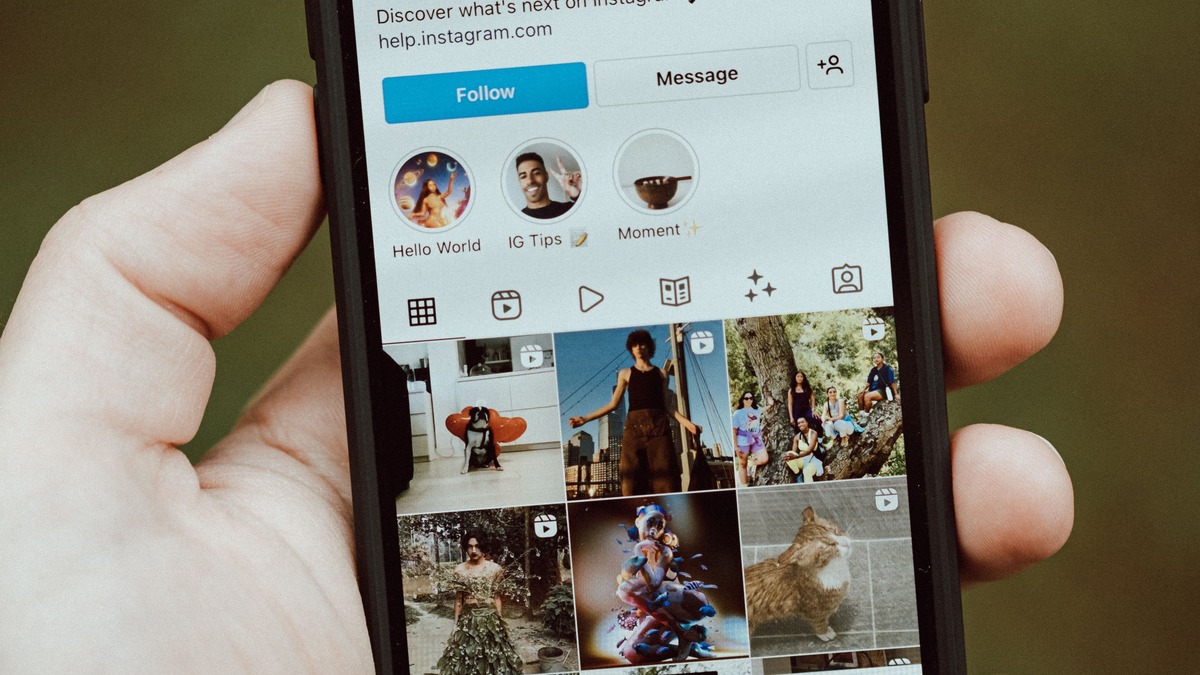 Creators who have built public Instagram presences over years had their content enrolled in Muse Image without notification.
Source: pexels.com
Creators who have built public Instagram presences over years had their content enrolled in Muse Image without notification.
Source: pexels.com
This is also the second product from Meta Superintelligence Labs to surface consent questions. Muse Spark 1.1 opened its public API last week drawing on public-web data for training context. Muse Image drew on Instagram's photo graph. The pattern is consistent: Meta uses its social data assets to power Superintelligence Labs products, and the consent architecture has trailed the product launches each time. It's a pattern the company has repeated in other contexts too - when Meta's AI glasses routed intimate footage to workers in Kenya, the consent framework was similarly absent from the design.
The company told users they had control. They had the option to find a control, if they learned it existed.
Meta's reversal came fast, and CAA's commendation is genuine. But SAG-AFTRA's language sets the more important bar: a feature that exposes millions of people's likenesses to arbitrary AI image generation without notification shouldn't require public mobilization from a 160,000-member union and Hollywood's largest talent agency before the design is questioned. Meta said it'll "listen to feedback and evaluate the approach." Whether Muse Image returns with an opt-in model has no answer yet, and that gap is the one worth watching.
Sources:
- Introducing Muse Image - Meta
- Meta removes controversial AI feature on Instagram after backlash - TechCrunch
- Meta Pulls Opt-Out AI Tool After Hollywood Outrage - Hollywood Reporter
- SAG-AFTRA recommends opt-out on X
- Meta's Muse Image tool sparks backlash - Tubefilter
- How to stop Meta's AI using your Instagram photos - TechCrunch
- Meta's new AI image maker draws fire over consent - Axios
- Meta debuts Muse Image - CNBC

