
Maine Vetoes First US AI Data Center Moratorium
Maine Governor Janet Mills killed LD 307, the first proposed statewide AI data center moratorium in the US, to protect a $550 million project in Jay.
 6 min read
Maine Governor Janet Mills vetoed LD 307 on April 24, killing what would have been the first statewide moratorium on AI data center permits in the United States. The bill cleared the Democrat-led Legislature with bipartisan support. It didn't survive the governor's desk because one project - a $550 million redevelopment of a shuttered paper mill in Jay - carried too much economic weight behind it.
The veto doesn't end the conversation. At least 12 states have introduced similar bills this cycle, and the grid strain driving them isn't going anywhere.
Bill at a Glance
| Detail | Value |
|---|---|
| Bill | LD 307 - An Act to Establish the Maine Data Center Coordination Council |
| Moratorium target | Data centers using 20+ megawatts of power |
| Duration | Until November 1, 2027 |
| Study council | 13 members, report due February 1, 2027 |
| Veto date | April 24, 2026 |
| Governor | Janet Mills (Democrat) |
What LD 307 Would Have Done
Power threshold and timeline
The bill targeted large-scale facilities specifically: any data center requiring more than 20 megawatts of load. That threshold captures hyperscale and AI training facilities driving grid concern, while leaving small colocation racks and edge deployments alone. The moratorium would have run through November 2027 - roughly 18 months from passage.
The coordination council
Beyond the permit pause, LD 307 created a 13-member council to study data center siting and deliver recommendations by February 2027. The council was supposed to answer questions about rate impacts, grid reliability, and environmental constraints that Maine hasn't formally addressed. Mills committed to standing up a similar body through executive order, so this function survives the veto - just without any binding pause attached to it.
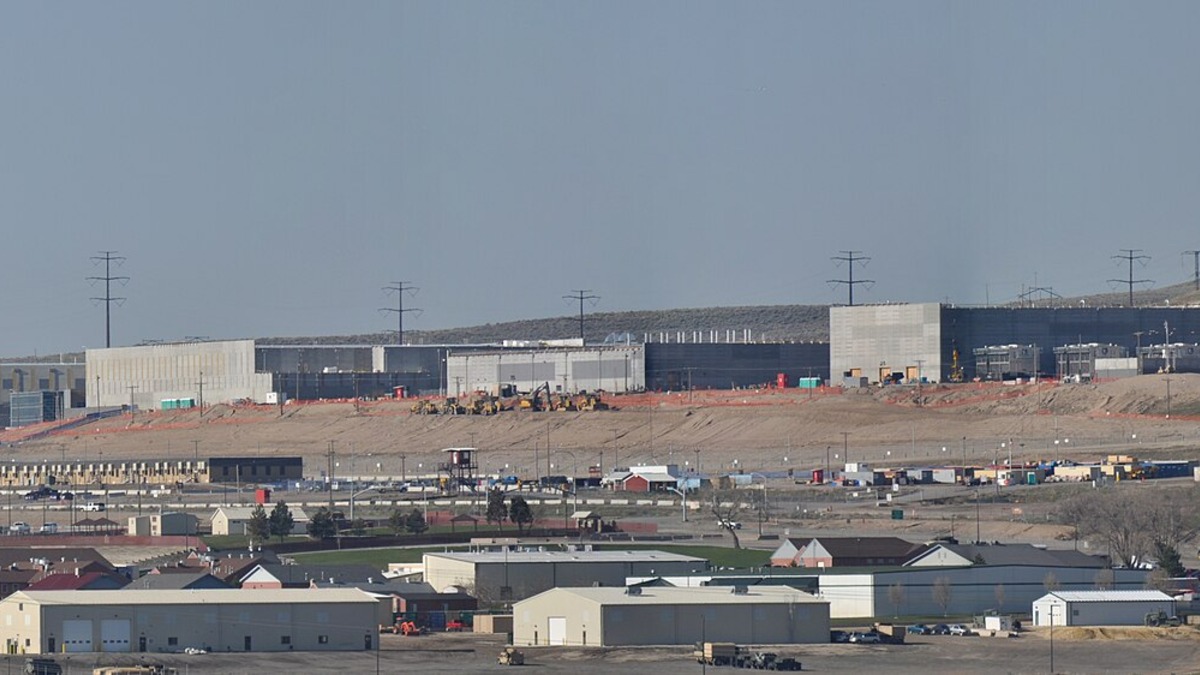 Large-scale data centers like this NSA facility in Utah consume tens of megawatts of power - exactly the category LD 307 targeted.
Source: commons.wikimedia.org
Large-scale data centers like this NSA facility in Utah consume tens of megawatts of power - exactly the category LD 307 targeted.
Source: commons.wikimedia.org
Why the Governor Said No
Mills didn't reject the bill's underlying logic. Her veto message acknowledged that "a moratorium is appropriate given the impacts of massive data centers in other states on the environment and on electricity rates." She wasn't protecting hyperscale operators from overreach.
She was protecting one specific project.
The failed amendment
Rep. Patrick Corey introduced language to exempt the Jay data center from the moratorium. The Legislature defeated it. Without that carve-out, Mills said she couldn't sign LD 307 in its final form - even though she agreed with its goals.
What Mills committed to instead
The governor signed separate legislation excluding data centers from certain business tax incentives. She also promised an executive council to draft siting guidelines. That covers the study-commission function of LD 307, but without any permit pause. Critics call the result weaker. Supporters of the Jay project call it the right call.
The Jay Exception
From paper mill to data center
The former Androscoggin Mill in Jay closed in 2023 after Pixelle Specialty Solutions, successor to International Paper, shut down operations. The closure hit the town hard. Developer JGT2 Redevelopment has since signed an agreement with Sentinel Data Centers to redevelop the 1-million-square-foot mill site.
The project's numbers: more than 800 construction jobs, at least 100 permanent positions, and major property tax revenue for a town in economic distress. For Jay's residents and officials, the data center is the clearest path forward they have. For opponents of the moratorium bill, it became the wedge.
Rep. Melanie Sachs, who sponsored LD 307, pushed back directly:
"While a veto might protect the proposed data center project in Jay, it poses significant potential consequences for all ratepayers, our electric grid, our environment and our shared energy future."
Both positions can be accurate at the same time. Maine's grid concerns don't disappear because Jay needed the jobs.
A National Movement in Motion
Maine wasn't isolated. At least 12 states introduced data center moratorium bills this legislative cycle, driven by the same concerns: rate impacts on residential customers, grid upgrade costs passed through to everyone, water consumption in drought-stressed regions, and job creation that critics argue is thin relative to capital expenditure.
| State | Bill | Status | Duration |
|---|---|---|---|
| Maine | LD 307 | Vetoed Apr 24 | Until Nov 2027 |
| New York | A 10141 / S9144 | Pending | Up to 3 years |
| Virginia | HB - | Pending | Until Jul 2028 |
| Vermont, Maryland, Georgia, Oklahoma | Various | Pending | TBD |
The federal push has gone further on the left. Senators Sanders and Rep. Alexandria Ocasio-Cortez introduced the "AI Data Center Moratorium Act" in March 2026, calling for a national pause on new hyperscale facilities until federal environmental and grid impact standards exist. The proposal hasn't advanced past introduction.
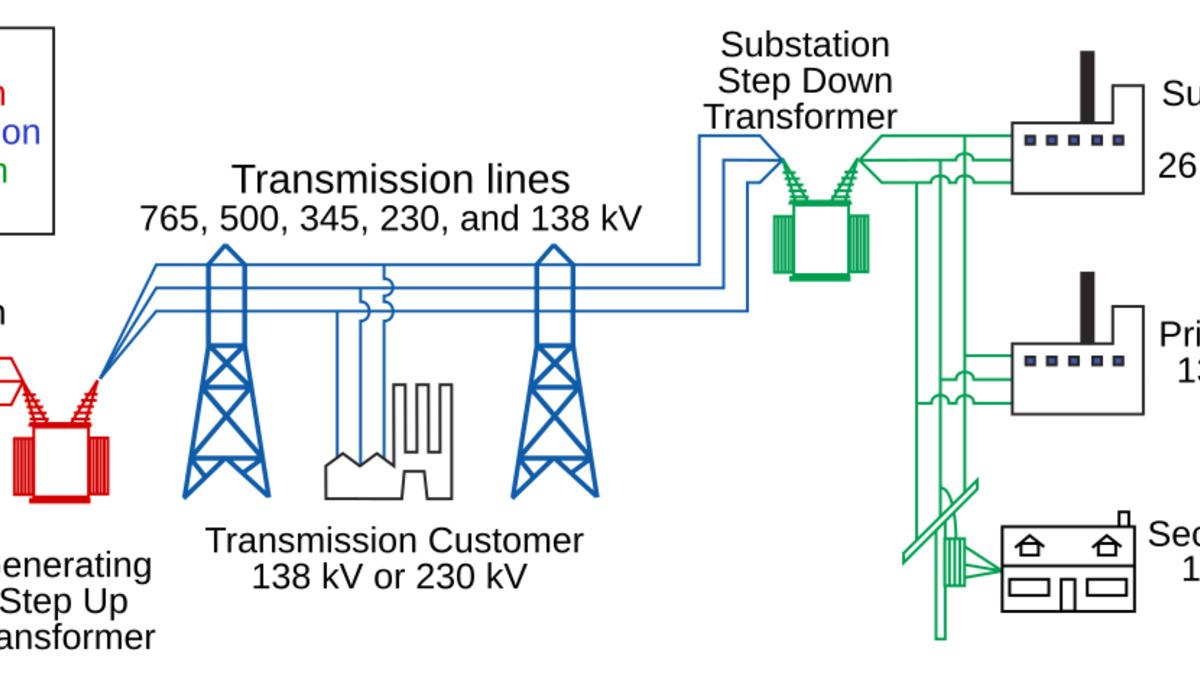 The North American grid is divided into interconnected regional operators. Maine falls under ISO-NE, which is already tracking data center load growth as a planning constraint.
Source: commons.wikimedia.org
The North American grid is divided into interconnected regional operators. Maine falls under ISO-NE, which is already tracking data center load growth as a planning constraint.
Source: commons.wikimedia.org
The Department of Energy projects AI data centers could reach up to 9% of total US electricity consumption by 2030, up from roughly 3% in 2023. That projection is what sits under all of these bills. Grid capacity gets built over decades; AI data centers go up in months. The mismatch is producing legislation.
The Trump administration's position has run the opposite direction - securing big-tech pledges to build on US soil, treating AI infrastructure as a national competitiveness asset rather than a local grid problem. And Sam Altman has floated the idea of AI as a metered utility, which would only accelerate the infrastructure buildout that state legislators are trying to slow down.
What To Watch
The Maine Legislature could still attempt an override, though it requires a two-thirds supermajority - harder than the simple majority that passed the bill. Mills has committed to the executive council, so watch whether that process includes any permit-review authority or stays purely advisory.
The deeper question from Jay is about economic conditions. States with high unemployment and shuttered industrial sites face a harder time sustaining moratoriums, because the economic trade-off is immediate and visible while grid externalities are diffuse and years out. That calculation will play out differently in dense urban states than in rural ones.
ISO-NE's interconnection queue data is the leading indicator to watch. If AI data center load requests continue to outpace new generation capacity additions, grid operators - not legislatures - may be the ones who force the pause that LD 307 tried to write into law.
Sources:
- Governor Mills Announces Decision on LD 307 - Office of Governor Janet T. Mills, April 24, 2026
- Governor Mills' Veto Message on LD 307 - maine.gov, April 24, 2026
- Janet Mills vetoes Maine data center ban - Bangor Daily News, April 24, 2026
- Maine's governor vetoes data center moratorium - TechCrunch, April 25, 2026
- Maine governor vetoes landmark data center moratorium - Gizmodo, April 25, 2026
- Maine might soon impose the country's first statewide pause on data centers - NPR, April 23, 2026
- State Data Center Legislation in 2026 Tackles Energy and Tax Issues - MultiState
- Six States Introduce Data Center Moratorium Bills - The Deep Dive

