
Linux Foundation Raises $12.5M Against AI Bug Slop
Seven AI and cloud companies pool $12.5M through OpenSSF and Alpha-Omega to build tools that help open-source maintainers cope with a flood of AI-generated vulnerability reports they can't triage.
 6 min read
The cURL maintainer shut down his project's bug bounty program in January 2026. Not because security wasn't important, but because AI tools had turned the submission queue into a fire hose of low-quality, machine-produced reports he couldn't keep up with. The Python Software Foundation flagged the same problem around the same time. These aren't edge cases - they're early signals of what happens when automated vulnerability discovery scales faster than human review capacity.
On March 17, the Linux Foundation announced a $12.5 million grant aimed squarely at this problem: building tooling and support systems to help open-source maintainers handle the AI-created security deluge.
TL;DR
- $12.5M in grants from Anthropic, AWS, GitHub, Google, Google DeepMind, Microsoft, and OpenAI - managed through OpenSSF and Alpha-Omega
- AI tools are generating vulnerability reports faster than maintainers can triage and remediate them
- AWS added an extra $2.5M specifically to Alpha-Omega on top of the collective pool
- Funds go toward AI-powered triage tools, direct maintainer assistance, and long-term sustainability strategies
- No concrete timeline or specific tooling has been announced yet
Who's Paying and Why
The seven contributing organizations - Anthropic, AWS, GitHub, Google, Google DeepMind, Microsoft, and OpenAI - are, not coincidentally, the same companies whose tools are generating the problem they're now funding a solution for. Security researchers and developers use AI-assisted code analysis to find vulnerabilities faster. That's useful, but it floods maintainers of small, underfunded open-source projects with reports at a rate that was impossible even two years ago.
The funds flow through two Linux Foundation projects: OpenSSF (Open Source Security Foundation) and Alpha-Omega, a project that has previously distributed over $20 million across 70 grants to major ecosystems and package registries.
"Alpha-Omega was built on the idea that open source security should be both normal and achievable. We're now bringing maintainer-centric AI security assistance to the hundreds of thousands of projects that power our world," said Michael Winser, Alpha-Omega co-founder.
Greg Kroah-Hartman, Linux kernel maintainer and a figure who carries credibility with both the open-source and enterprise communities, acknowledged the funding while tempering expectations: OpenSSF has "the active resources needed to support numerous projects helping overworked maintainers with triage and processing of AI-generated security reports." He stopped short of claiming the money solves the underlying tension.
The Actual Problem Being Addressed
Vulnerability discovery has outrun remediation
AI-assisted security tools can scan a codebase and produce dozens of potential vulnerability reports in the time it used to take a human researcher to write one. For well-funded projects with dedicated security teams, this is an acceleration. For most open-source projects maintained by one or two volunteers in their spare time, it's a different kind of crisis.
The cURL bug bounty shutdown is the clearest illustration. Daniel Stenberg, who maintains cURL, discontinued the program in January 2026 after roughly 20% of all submissions had become AI-generated noise. The bounty paid out over $100,000 across 87 confirmed vulnerabilities over its lifetime - then became untenable as automated tools started submitting outputs directly without human review.
The triage gap
Finding a vulnerability and fixing it are two different tasks. The funding announcement specifically calls out that maintainers currently lack "the resources or tooling needed to triage and remediate them effectively." The problem isn't just volume - it's that triaging a low-quality AI-generated report often takes as long as triaging a real one, since you have to read and understand the claim before you can dismiss it.
This connects directly to what METR found in their SWE-bench research: about half of AI-created code changes that pass automated benchmarks would be rejected in real code review. The same dynamic applies to security reports.
 The Open Source Security Foundation, a Linux Foundation project, will manage a significant portion of the $12.5M grant pool.
Source: openssf.org
The Open Source Security Foundation, a Linux Foundation project, will manage a significant portion of the $12.5M grant pool.
Source: openssf.org
What the Money Is Supposed to Build
The announced goals are broad: AI-powered tools for triaging security reports, direct assistance to maintainers, and "long-term sustainability strategies." No specific tools, timelines, or deliverables were named in the announcement.
Alpha-Omega's track record offers some indication of how the money will move. Previous grants went to package registries (npm, PyPI, RubyGems), major open-source foundations, and critical infrastructure projects. The organization works directly with maintainers rather than imposing top-down mandates, which at least means the tooling has a chance of fitting into real workflows.
The "maintainer-centric AI security assistance" framing is doing a lot of work in the announcement. Read optimistically, it means building triage tooling that integrates into existing issue trackers and notification systems, surfaces high-confidence findings for human review, and filters out the noise automatically. Read skeptically, it means the final shape of the work is still undefined.
Who the money reaches
Alpha-Omega's previous model reached around 70 projects across its prior $20M in grants. At that rate, $12.5M more would not touch the "hundreds of thousands of projects" referenced in the announcement. The scale mismatch is real, and the announcement doesn't address it directly.
What it might realistically fund: shared tooling that any maintainer can plug into their repository, rather than per-project grants. That would explain the emphasis on "AI-powered triage" - if the output is a reusable tool rather than per-project consulting, the reach multiplies.
Where It Falls Short
The core tension in this announcement is that the same companies contributing to the fund are the ones shipping the tools accelerating AI security report generation. Anthropic, Google, Microsoft, OpenAI - all of them have products that make it easier to find vulnerabilities in code automatically. The fund addresses the downstream effect while the upstream pressure keeps increasing.
Steve Fernandez, OpenSSF General Manager, said the organization's focus is on "sustainably securing the entire lifecycle of open source software." That's a mission statement rather than a plan.
There's also no commitment from any of the contributing organizations to rate-limit AI-produced submissions on their own platforms, add friction to automated bug report submission, or otherwise address the supply side of the problem. The cURL maintainer's fix was to remove the bounty program entirely - a practical solution that didn't require $12.5M. The challenge is whether funded tooling can deliver something better than that at scale.
This isn't the first time the open-source security community has had to respond to AI-introduced pressure on maintainers. The GitHub Actions supply chain attack on Trivy and the thousands of LLM-generated malware repositories documented earlier this year are different manifestations of the same dynamic: AI lowers the cost of generating inputs into open-source infrastructure, good and bad alike.
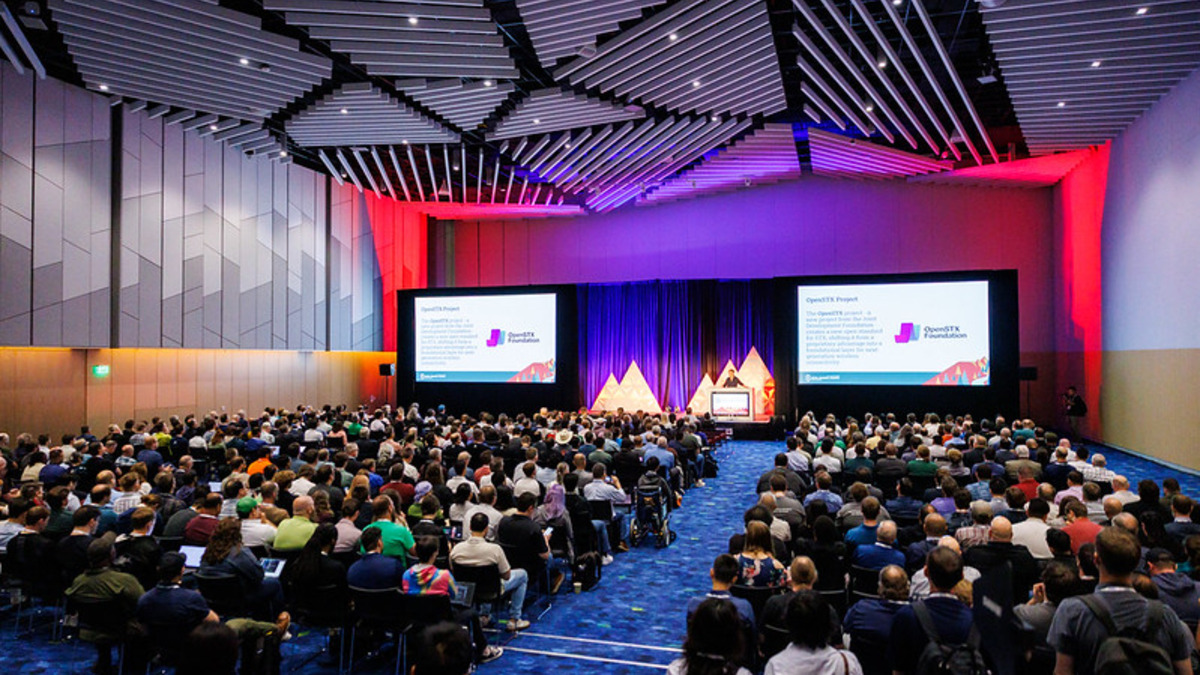 Open-source maintainers increasingly spend time triaging AI-created security reports rather than writing code.
Source: linuxfoundation.org
Open-source maintainers increasingly spend time triaging AI-created security reports rather than writing code.
Source: linuxfoundation.org
What To Watch
The announcement names a direction, not a roadmap. In the coming months, watch for:
- Concrete tooling announcements from OpenSSF - specifically whether the triage tooling integrates with GitHub's issue tracker and existing security advisory workflows, or requires maintainers to adopt new systems
- Alpha-Omega grant recipients in 2026 - the specific projects funded will reveal whether the money is going to the largest ecosystems (npm, pip, crates.io) or reaching smaller projects
- Whether contributing organizations self-regulate on AI security tool outputs - if Anthropic or Google add friction to automated vulnerability report generation, that would signal genuine commitment to the supply side
- The cURL signal - if Stenberg reinstates his bug bounty or cites improved quality from AI-created submissions, that's a concrete indicator the tooling is working
The money is real. The problem is real. The gap between them closes only if the tooling ships and maintainers actually use it.
Sources:

