
KPMG Pulls AI Report After Fake Case Studies Found
KPMG retracted its agentic AI report after GPTZero found that 40 of 45 citations were fabricated and case studies about UBS, the NHS, and Transport for London were invented.
 6 min read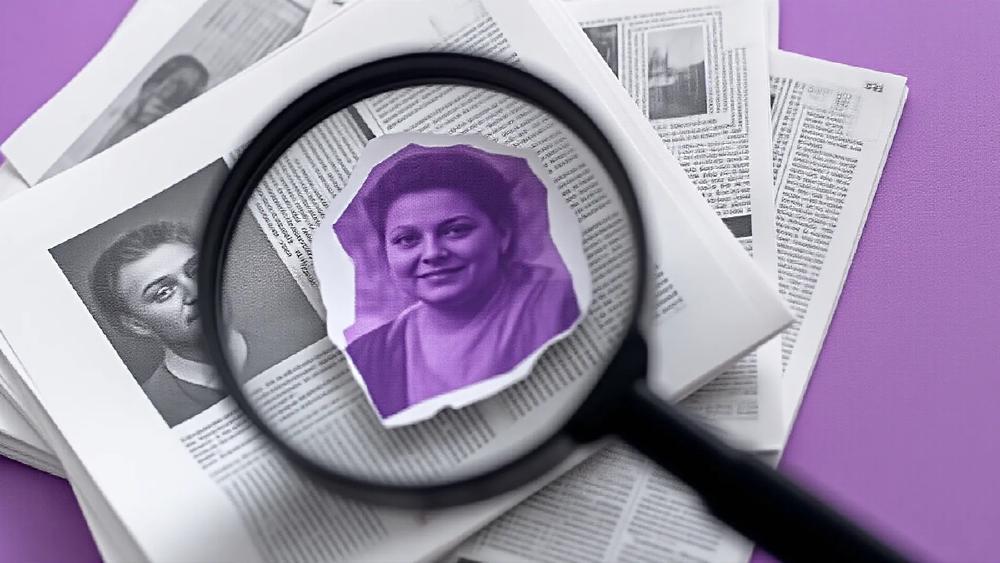
KPMG has pulled its October 2025 report on agentic AI from the web after researchers at GPTZero found that 40 of its 45 citations were fabricated, and case studies attributed to UBS, Transport for London, the NHS, and Swiss Federal Railways were either invented or materially inaccurate. The firm that helps enterprises deploy AI responsibly couldn't keep AI hallucinations out of its own flagship publication.
TL;DR
- KPMG's October 2025 report "Total Experience: Redefining Excellence in the Age of Agentic AI" has been retracted
- GPTZero found only 5 of 45 citations pointed to real, uncorrupted sources - 40 citation titles were fabricated
- Case studies on UBS, NHS Greater Manchester, Transport for London, and Swiss Federal Railways were inaccurate or invented; UBS called KPMG's claims "factually incorrect"
- EY and Deloitte both faced similar incidents in late 2025 and early 2026 - three Big Four firms in eight months
- KPMG runs a global alliance with Anthropic giving all 276,000 employees access to Claude
What the Report Claimed
The report, titled "Total Experience: Redefining Excellence in the Age of Agentic AI," was published in October 2025 as a guide for enterprise leaders navigating the move toward AI agents in business. It ran 45 citations and named real organizations - UBS, Swiss Federal Railways, Transport for London, NHS Greater Manchester, Emirates - as case studies showing successful AI agent deployments.
None of those deployments, as described in the report, could be verified. Several didn't exist at all.
 KPMG opened its new New York headquarters in November 2025, weeks after publishing the report it has now retracted.
Source: accountingtoday.com
KPMG opened its new New York headquarters in November 2025, weeks after publishing the report it has now retracted.
Source: accountingtoday.com
UBS told reporters its claims were "factually incorrect." Swiss Federal Railways confirmed the description was inaccurate. Transport for London called the claims "misleading." NHS Greater Manchester said the content "did not align with the press release the footnotes indicated as their source." And an assertion that Emirates' Sara is a mobile chatbot capable of modifying flight bookings ignored the fact that Sara is a physical robot without booking features.
The GPTZero investigation, verified by the Financial Times, went further than individual case studies. Analysts looked at all 45 citations and found:
- Only 5 citations pointed correctly to real, uncorrupted sources
- 28 citations contained paraphrased titles or fabricated components attached to real sources
- 12 citations were too vague to verify at all
- 40 of 45 citation titles were fabricated
GPTZero labeled the behavior "vibe citing" - AI systems creating references that look authoritative until someone actually clicks them.
"KPMG International takes the accuracy and integrity of its published content seriously. The report has been removed and we are reviewing the circumstances surrounding its publication. We expect all our people to follow our guidelines on the responsible use of AI, including human oversight to validate content and verify independent sources."
- KPMG International spokesperson, June 2026
A Pattern Across the Big Four
KPMG isn't an isolated case. Three of the four largest professional services firms have now been caught publishing AI-created content that wasn't verified before distribution.
| Firm | Report | Date Published | What Went Wrong | Outcome |
|---|---|---|---|---|
| Deloitte | Australian government advisory | Oct 2025 | AI-created errors across | Partial refund issued to Australian government |
| EY | Loyalty program cybersecurity report | Dec 2025 | 60% of references hallucinated, including nonexistent Forbes articles and fabricated Wired stories | Report retracted May 2026 |
| KPMG | "Total Experience: Redefining Excellence in the Age of Agentic AI" | Oct 2025 | 40 of 45 citations fabricated; case studies for major brands invented | Report retracted June 2026 |
Eight months. Three firms. The EY case alone had 60% of references pointing to articles that didn't exist, including fabricated pieces attributed to Forbes and Wired.
 Consulting firms publish hundreds of research reports each year - AI tools now let them produce them faster, but verification processes haven't kept pace.
Source: unsplash.com
Consulting firms publish hundreds of research reports each year - AI tools now let them produce them faster, but verification processes haven't kept pace.
Source: unsplash.com
How It Happens
GPTZero's investigation concluded that an AI research tool was likely prompted to find suitable case studies for KPMG's agentic AI narrative, then "conflated sources, exaggerated claims, and injected references to agentic AI" without any human checking the output before publication. The 2019 JR East press release cited as evidence of AI agent deployment illustrates the absurdity - agentic AI wasn't commercially available in 2019.
The firms aren't going rogue. They're doing what every organization under deadline pressure does with AI: giving it research tasks and publishing the results without reading them carefully. The difference is that these firms are charging clients for exactly this kind of validation work.
The Counter-Argument
There's a version of this story where three retractions in eight months is a sign that the system is working. GPTZero found the errors. The Financial Times verified them. The firms pulled the reports. No one published a correction six months after clients had already built strategies around the bad data.
AI-assisted research is truly hard to validate at scale. A 45-citation report produced under normal consulting timelines might have had the same kind of errors before AI; the tools just make it faster to create authoritative-sounding text that doesn't check out.
KPMG's spokesperson statement also signals some internal accountability - the firm is "reviewing the circumstances surrounding its publication" and has reinforced its guidelines. That's not nothing.
The problem is that none of this addresses the incentive structure. Consulting firms are paid to produce confident, well-sourced analysis. AI lets them produce it faster and cheaper. The pressure to use AI on research tasks will only grow, and the verification step is the part that takes time.
What the Market Is Missing
The organizations in this table aren't bystanders in the AI governance conversation. They're central to it.
KPMG signed a global alliance with Anthropic in May 2026, giving all 276,000 employees access to Claude and positioning KPMG as a "preferred consultant" for enterprise AI deployments. EY and Deloitte have comparable partnerships - OpenAI signed multi-year deals with McKinsey, BCG, Accenture, and Capgemini to sell its Frontier AI platform to enterprise clients. The Big Four are simultaneously KPMG's AI verification failures while actively selling AI governance services to banks, governments, and manufacturers who rely on them for exactly this kind of quality assurance.
That's the story the market keeps sidestepping. A 45-citation report with 40 fabricated titles isn't a typo or a technical failure. It's a workflow problem - someone used AI to write or research the report, and no one checked whether the sources existed before the document went to print. The same workflow problem is playing out in client deliverables. The difference is that client reports don't normally get reviewed by AI detection researchers.
Enterprises investing in AI deployments based on hallucinated case studies built their business cases on fiction. There's no formal way to know how many did, because nobody is systematically auditing consulting deliverables the way GPTZero audited this report.
McKinsey, Bain, BCG, and the Big Four have built their reputations on rigorous sourcing. Three of four are now on the record as having failed that standard in AI-related work. The fourth - PwC - has not yet been caught. That's a meaningful distinction, but "not yet caught" isn't the same as clean.
Sources:
- GPTZero: Chasing the Hallucinations - KPMG's AI-Powered Attempt at "Redefining Excellence"
- The Register: KPMG's AI report becomes an accidental demo of AI hallucinations
- Finance Monthly: KPMG Pulls AI Report After UBS, NHS and Transport for London Case Studies Found to Contain Hallucinations
- City AM: KPMG report on AI found riddled with AI hallucinations
- SWI swissinfo.ch: KPMG report contained AI hallucinations on benefits of AI
- Crypto Briefing: UBS denies false claims about AI integration after KPMG report relies on hallucinated facts

