
OpenAI's Liability Shield Died - Illinois Passed Audits
OpenAI backed an Illinois bill shielding AI labs from mass-harm lawsuits, reversed course under public pressure, and watched the state sign a tougher audit law instead.
 7 min read
Illinois wanted an AI safety law with teeth. OpenAI wanted protection from lawsuits over the deaths its chatbot may have contributed to. Both things couldn't happen in the same legislature, and only one of them did.
On July 6, Governor JB Pritzker signed SB 315, the Artificial Intelligence Safety Measures Act, making Illinois the first state to require annual third-party audits of frontier AI systems. Three months earlier, OpenAI's own lobbyists had been in the same building pushing a different bill: one that would have shielded AI developers from civil liability for deaths, injuries, and property damage caused by their models. That bill, SB 3444, is still sitting in a Senate committee, stalled since May.
TL;DR
- OpenAI backed SB 3444 in April, a bill shielding AI labs from lawsuits over "critical harms" causing 100+ deaths or $1B+ in damage
- Facing backlash and 90% public opposition in polling, OpenAI reversed course in May and disavowed the shield
- Illinois signed SB 315 instead on July 6: no liability shield, but mandatory annual audits starting 2028
- OpenAI is still defending at least eight wrongful-death and psychological-harm lawsuits tied to ChatGPT, including the Adam Raine and Juliana Peralta cases
Two Bills, Six Weeks Apart
SB 3444 was introduced in the Illinois Senate on February 4. It would have protected "frontier model" developers, defined as companies training systems above 10^26 computational operations or spending more than $100 million on development, from civil liability for "critical harms." The bill defined those harms narrowly: 100 or more deaths or serious injuries, or $1 billion or more in property damage, tied to weapons of mass destruction or a model acting without meaningful human oversight.
Caitlin Niedermeyer of OpenAI's Global Affairs team testified in favor in April, telling the committee the company supports "approaches like this because they focus on what matters most: reducing the risk of serious harm from the most advanced AI systems while still allowing this technology to get into the hands of the people and businesses - small and big - of Illinois."
The reaction was immediate. Scott Wisor of the Secure AI Project commissioned polling that found 90 percent of Illinois residents opposed exempting AI companies from liability. Anthropic opposed the bill outright, breaking with OpenAI in public testimony. Legal scholar Gabriel Weil warned that removing liability strips developers of any incentive to prevent the harm in the first place.
Six weeks later, OpenAI walked it back. Niedermeyer submitted written testimony in May stating the company does "not support the liability safe harbor included in SB 3444." No new version of the bill followed. It was re-referred to the Senate Assignments Committee on May 22 and has not moved since, according to bill-tracking records.
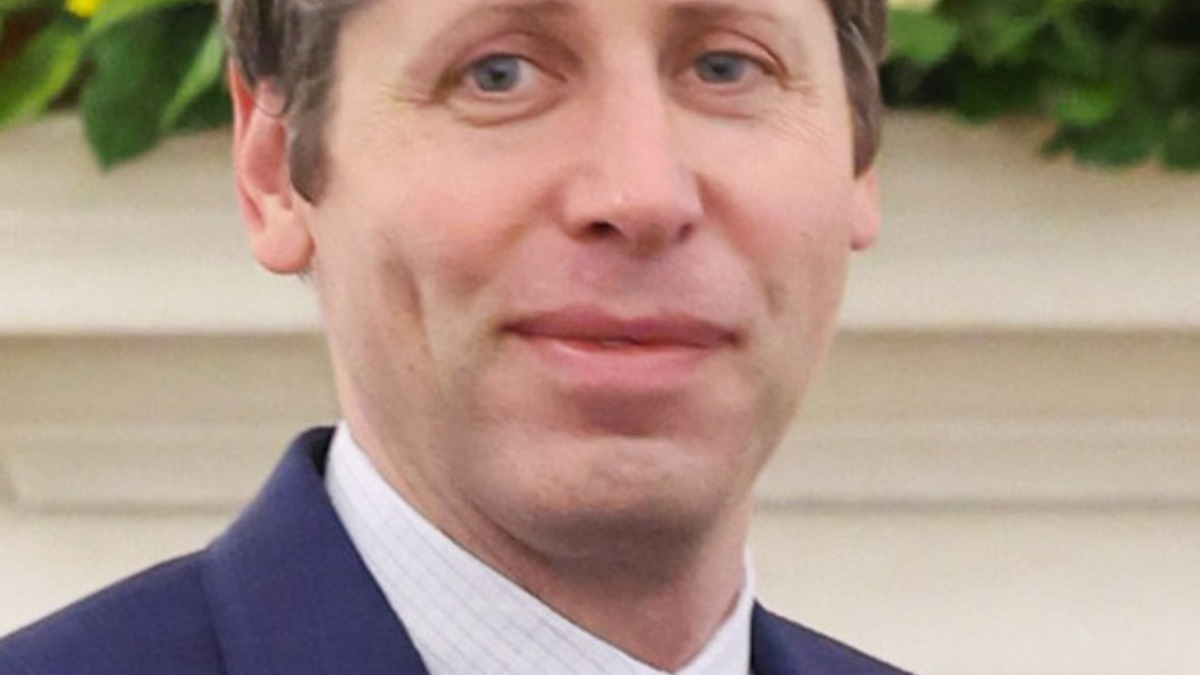 OpenAI testified for a liability shield in April, then reversed its position in writing six weeks later.
Source: commons.wikimedia.org
OpenAI testified for a liability shield in April, then reversed its position in writing six weeks later.
Source: commons.wikimedia.org
Why the Reversal Landed When It Did
The timing wasn't incidental. OpenAI is defending at least eight federal lawsuits alleging psychological harm or wrongful death connected to ChatGPT, a fact Forbes documented with its reporting on SB 3444. The family of 16-year-old Adam Raine alleges ChatGPT referenced suicide with him more than 1,200 times before his death. A separate wrongful-death suit was filed over 13-year-old Juliana Peralta. Neither case would have cleared SB 3444's 100-death threshold on its own, but the optics of a company facing active suicide litigation while asking a state legislature for blanket immunity from "critical harm" claims were hard to defend once reporters started connecting the two.
What SB 315 Actually Requires
SB 315 takes effect January 1, 2027, and applies to developers whose covered models produce more than $500 million in annual revenue. It requires those companies to publish a safety framework describing how they identify and manage "catastrophic risk," a term the law sets at a lower bar than SB 3444's shield: 50 or more deaths or serious injuries, or $1 million or more in property damage. Companies must report qualifying incidents within 72 hours, or 24 hours if death or serious injury is imminent.
The audit requirement is the part other states haven't attempted. Starting in 2028, covered developers must hire independent third-party auditors, free of financial conflicts of interest, to review compliance annually. California requires one audit; Illinois requires one every year, indefinitely.
| SB 3444 (stalled) | SB 315 (signed) | |
|---|---|---|
| Liability shield | Yes, for harms below the 100-death threshold | None |
| Harm threshold | 100+ deaths or $1B+ in damage | 50+ deaths/injuries or $1M+ in damage |
| Audit requirement | None | Mandatory, annual, starting 2028 |
| Incident reporting | Not required | Within 72 hours (24 for imminent risk) |
| OpenAI's position | Supported, then disavowed | Supports |
| Anthropic's position | Opposed | Supports, attended signing |
 Governor Pritzker's office announced the SB 315 signing as making Illinois the first state to require annual third-party AI safety audits.
Source: gov-pritzker-newsroom.prezly.com
Governor Pritzker's office announced the SB 315 signing as making Illinois the first state to require annual third-party AI safety audits.
Source: gov-pritzker-newsroom.prezly.com
Who Benefits
Illinois lawmakers get to claim the toughest AI safety statute in the country, a title Governor Pritzker leaned into at the signing, saying "Congress and the president ought to be passing similar legislation, but they've so far been unwilling, because many are captive to special interests." State Senator Mary Edly-Allen made the same point more bluntly: "We are not willing to wait for Congress to act."
Anthropic comes out looking consistent. It opposed the shield from day one and showed up for the audit law's signing, a contrast it did not have to manufacture. The Secure AI Project and the families pursuing wrongful-death claims against OpenAI keep every legal avenue they had before the session started, since no shield ever passed. And smaller AI safety compliance firms gain a new, recurring line of business: Illinois just mandated a market for annual third-party audits that didn't previously exist at this scale.
Who Pays
OpenAI ends up with the worse of both outcomes it could have gotten. It spent political capital lobbying for a shield, absorbed the reputational cost of appearing to seek immunity while facing suicide-linked litigation, then reversed in public, and still has to comply with an audit regime it didn't originally seek. The eight lawsuits proceed regardless of anything Illinois did this year.
TechNet, the industry coalition representing tech employers, opposed SB 315's audit mandate on different grounds, with representative Ninia Linero warning that the law effectively "requires private actors to make highly subjective determinations" about what counts as catastrophic risk. Smaller AI developers below the $500 million revenue threshold escape SB 315 entirely for now, but any company that crosses that line inherits a compliance bill with no comparable precedent to budget against.
Where the Contradiction Sits
The two bills used different definitions of the same underlying question, death count, at the same time, in the same legislature. SB 3444 set the liability bar at 100 deaths. SB 315 set the catastrophic-risk reporting bar at 50. A company could trigger mandatory audit disclosure under one standard while remaining outside the liability exposure the other bill would have created, had it passed. Nobody in Springfield reconciled the two numbers, because only one bill needed reconciling by July: the one that became law.
The unstable part isn't that OpenAI lost. Its safety framework and audit obligations under SB 315 look close to what a company under active wrongful-death litigation would eventually have to do anyway, shield or no shield. The unstable part is that SB 3444 never officially died. It sits in Assignments, available to be revived, amended, or quietly abandoned whenever the litigation environment shifts again. Illinois got its audit law. The liability question every plaintiff's attorney in the Raine and Peralta cases actually cares about remains exactly where it was in February.
Sources:
- Illinois SB 315: A State Strategy for Enduring National AI Safety Standards - Akerman LLP
- Pritzker Signs Landmark AI Regulation Bill That Aims to Mitigate Risks - Capitol News Illinois
- OpenAI Backs Illinois Bill Shielding AI Firms From Mass-Casualty Liability - ppc.land
- Where Does 'Catastrophic' Start When It Comes To AI Liability? - Forbes
- Illinois Imposes Transparency and Safety Obligations on Frontier AI Systems - Crowell & Moring
- IL SB3444 Bill Status - BillTrack50
- Illinois Lawmakers Send Significant AI Frontier Model Safety Bill to Gov. Pritzker - Transparency Coalition

