
Google Bids for Pentagon's Classified Gemini Contract
Google is negotiating to deploy Gemini on classified Pentagon networks, the same tier Anthropic was blacklisted for refusing to serve without safeguards.
 6 min read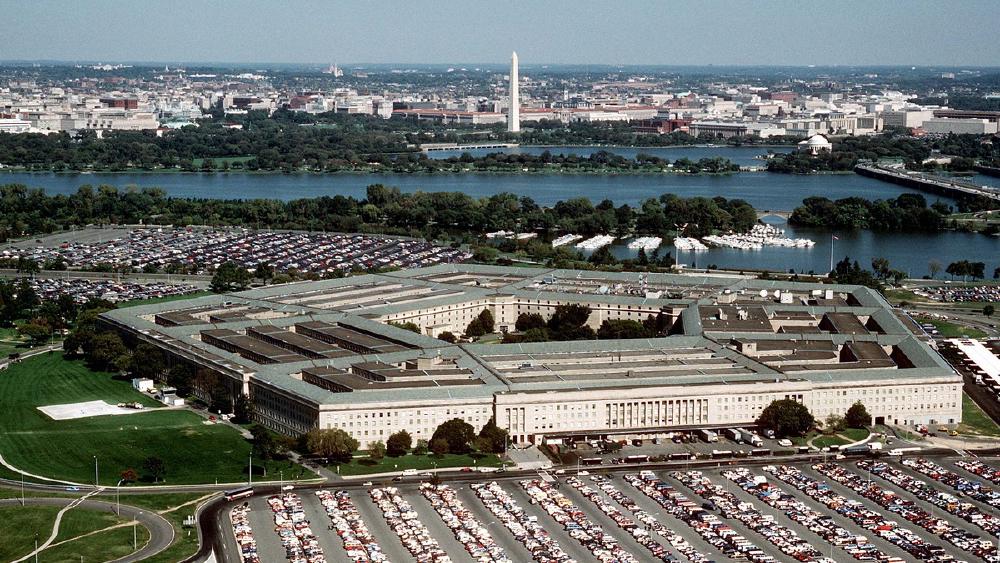
Google is in active negotiations with the Department of Defense to deploy Gemini AI on classified networks, according to The Information, which cited two people with direct knowledge of the talks. If finalized, the deal would take Google well beyond its existing unclassified footprint at the Pentagon and into the sensitive data environments where Anthropic's Claude was rolled out before the company was blacklisted in March.
The talks are the clearest sign yet that the Anthropic fallout has reshuffled the government AI market in ways that benefit Google directly.
TL;DR
- Google is negotiating classified-network access for Gemini at the Pentagon, per The Information
- The proposed contract covers "all lawful purposes" - but Google is pushing for explicit bans on domestic mass surveillance and autonomous weapons without human control
- Anthropic was blacklisted in March for holding those same positions; Google is now trying to win the same restrictions through negotiation rather than confrontation
- No dollar amount has been disclosed and no deal has been signed
The Proposed Terms
The Pentagon has pushed all AI vendors to accept contracts covering "all lawful purposes" - language designed to give the military maximum flexibility over how it uses AI tools. Anthropic refused to remove carve-outs for domestic mass surveillance and fully autonomous weapons systems. The Pentagon responded by designating Anthropic a supply chain risk on March 4 - the first American company ever to receive that designation.
Google's proposed terms in these negotiations reportedly include the same two restrictions: Gemini would be prohibited from use in domestic mass surveillance and from controlling autonomous weapons without appropriate human oversight.
"The Pentagon will continue to rapidly deploy frontier AI capabilities to the warfighter through strong industry partnerships across all classification levels."
That statement, from a Pentagon spokesperson, didn't confirm the Google talks specifically. But the phrase "all classification levels" carries its own weight. Google's Under Secretary of Defense contact, CTO Emil Michael, made the direction explicit in March: "I have high confidence they're going to be a great partner on all networks." Networks, plural. The unclassified GenAI.mil deployment, where Google already serves 3 million Pentagon workers, was the first step.
How Google Got Here
Google's path to this negotiation runs through a deliberate reversal of its own stated principles.
In 2018, roughly 3,100 Google employees signed a letter demanding the company exit Project Maven, a DoD contract using machine learning to analyze drone footage. Google walked away when the contract expired in 2019. That decision was treated internally as a commitment: Google wouldn't build AI for warfare.
By early 2025, Google had quietly removed those restrictions. The company signed a "$200 million prototype" contract with the Pentagon in July 2025 with Anthropic, OpenAI, and xAI. In August it announced Gemini for Government. In December it became the first enterprise AI provider on GenAI.mil at launch. By March 2026, eight pre-built Gemini-powered agents were running across the unclassified tier, with 1.2 million unique users already on the platform.
The classified-network talks are the logical next step in that progression.
 Sundar Pichai at a 2023 regulatory meeting. Google's leadership made a calculated decision to re-enter military AI after the 2018 Project Maven retreat.
Source: commons.wikimedia.org
Sundar Pichai at a 2023 regulatory meeting. Google's leadership made a calculated decision to re-enter military AI after the 2018 Project Maven retreat.
Source: commons.wikimedia.org
Who Benefits, Who Pays
| Stakeholder | Impact | Timeline |
|---|---|---|
| Expands Gemini into classified defense markets; validates military AI strategy after 2018 Maven retreat | If deal closes: 2026 | |
| Pentagon | Gets a replacement for Anthropic on classified networks, maintains vendor diversification | Six-month Anthropic phase-out underway |
| Anthropic | Loses classified-network business to its main competitor; legal battle continues | Preliminary injunction holds but appeal failed April 8 |
| OpenAI | Already signed its own DoW agreement; competes with Google for classified-tier budget | Ongoing |
| Google employees | More than 100 signed an internal letter opposing military Gemini use; 430+ joined a joint Google-OpenAI letter | April 2026 |
Companies
Google's classified-network pitch puts it in direct competition with Microsoft, which has long served the intelligence community through dedicated Azure Government regions, and with Palantir, whose tools served as the conduit for classified Claude deployments before the Anthropic blacklisting. OpenAI signed its own Department of War agreement within hours of the Anthropic designation - an approach its own CEO later described as "opportunistic and sloppy" in internal communications reported by The Atlantic.
The Pentagon's stated strategy is deliberate vendor diversification. That makes the Google talks less about winner-takes-all and more about which vendors are willing to operate within terms the DoD will accept.
Users
Inside Google, the atmosphere is different from 2018. Employees who oppose military AI use are still organizing - the 100-person internal letter and the broader 430-person joint letter with OpenAI workers are real acts of dissent - but those involved acknowledge the company's direction has already changed. The fight has shifted from "get Google out of defense" to "force Google to maintain limits."
Whether those limits survive the negotiation is the open question.
Competitors
The Anthropic situation offers a useful data point. Pentagon CTO Emil Michael's public criticism of Anthropic's position was direct: "What we're not going to do is let any one company dictate a new set of policies above and beyond what Congress has passed." The framing cast Anthropic's safety restrictions as anti-democratic overreach.
Google is attempting to win the same restrictions - no mass surveillance, no autonomous weapons - through negotiation rather than as non-negotiable policy. If the Pentagon accepts those terms from Google, it'll be hard to argue the Anthropic blacklisting was ever really about the substance of the restrictions.
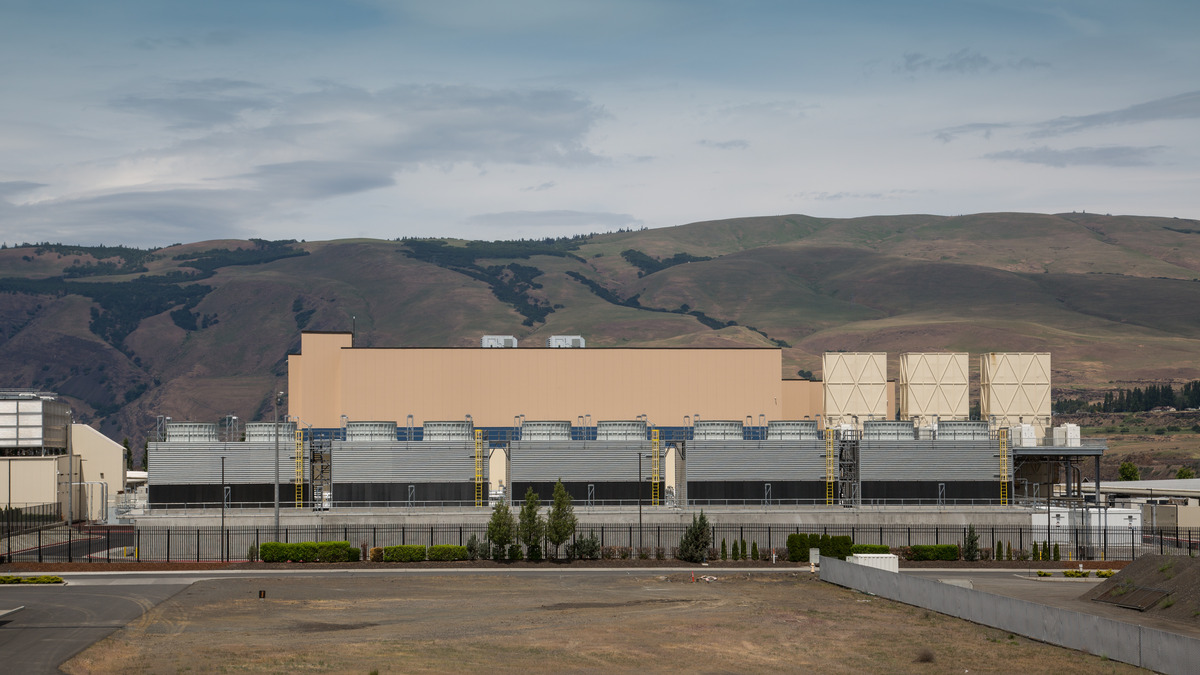 Google's cloud infrastructure will form the backbone of any classified Gemini deployment. The Pentagon already routes 1.2 million users through unclassified Gemini services.
Source: commons.wikimedia.org
Google's cloud infrastructure will form the backbone of any classified Gemini deployment. The Pentagon already routes 1.2 million users through unclassified Gemini services.
Source: commons.wikimedia.org
The Anthropic Parallel
The Trump administration's handling of Anthropic has been contradictory enough that some observers question whether the blacklisting was ever primarily about safety policy. On March 4, the Pentagon designated Anthropic a supply chain risk. Within hours it signed a new agreement with OpenAI. The same week, Treasury Secretary Bessent was meeting with Wall Street banks to encourage Claude adoption in financial services.
Anthropic's injunction lawsuit secured a preliminary block on the ban's enforcement - a federal judge found evidence of First Amendment retaliation. But Anthropic lost an appeals court bid on April 8 to extend that protection pending the full litigation, leaving the legal picture split. Classified Claude deployments, which ran through Palantir and AWS, remain in a months-long phase-out.
Google's classified-network talks advance during that phase-out. The timing isn't subtle.
What Happens Next
No dollar figure has been disclosed for the classified-network agreement, and no deal has been confirmed as of publication. The existing July 2025 Pentagon contracts paid up to $200 million each to Google, Anthropic, OpenAI, and xAI for prototype development. A classified-network extension would likely be a separate procurement.
The more consequential variable is the negotiated safeguards. If the Pentagon accepts Google's proposed restrictions on mass surveillance and autonomous weapons, the Anthropic blacklisting looks less like a principled line and more like a negotiating failure. That outcome would validate Anthropic's underlying positions while punishing the company for how it defended them - a distinction unlikely to comfort either side.
The OpenAI-Google competition for the Pentagon's AI budget is now moving into classified territory. The next milestone is whether Emil Michael signs a deal that includes the safeguard language Google is pushing, or whether the Pentagon holds the same line it drew against Anthropic.
Sources: The Information (original report, paywalled), Newsweek - Pentagon Weighs Google Gemini After Anthropic Fallout, Reuters/Bangor Daily News - Google Pentagon Negotiations, Winbuzzer - Google Deploys Gemini Agents at Pentagon, Winbuzzer - Google Workers and Military AI Activism, SF Standard - Diane Greene Op-Ed on Maven, CNBC - Pentagon Blacklists Anthropic, CNBC - Anthropic Loses Appeals Court Bid

