
General Compute's $400M Loan Bypasses Nvidia GPUs
General Compute borrowed $400 million from Upper90 against a fleet of SambaNova SN50 inference chips, the first major AI infrastructure loan not collateralized by Nvidia hardware.
 5 min read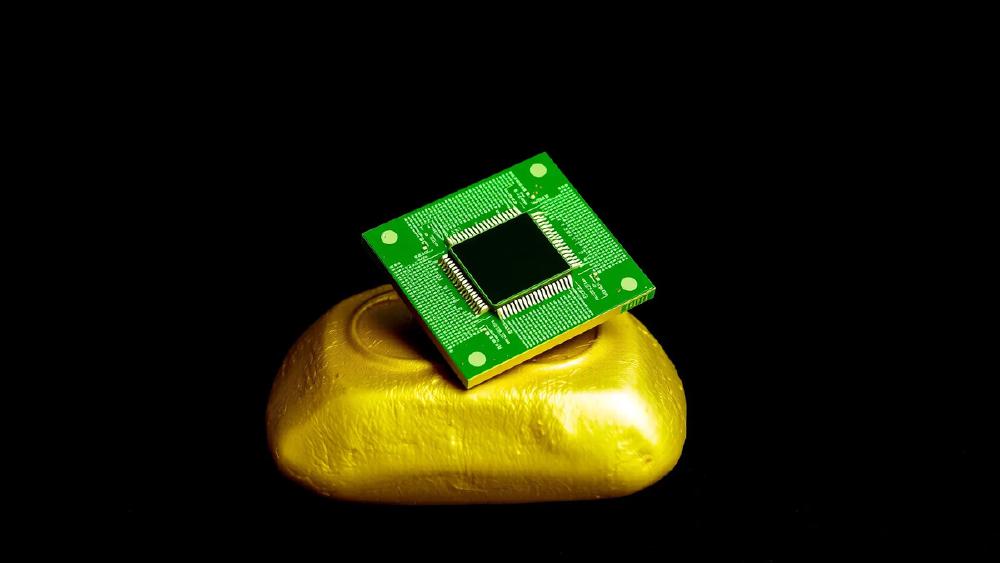
General Compute just borrowed $400 million, and not one dollar of it is backed by a Nvidia GPU. The inference cloud startup secured the loan from investment firm Upper90 using a fleet of SambaNova SN50 chips as collateral, the first large-scale AI infrastructure loan built entirely around non-Nvidia silicon.
That distinction matters more than the dollar figure. Every prior GPU-backed loan in this market, from Crusoe Energy's early debt facilities through CoreWeave's multibillion-dollar credit lines, has used Nvidia hardware as the asset a lender could seize and resell if a borrower defaulted. Upper90 just bet $400 million that a lender can now do the same thing with a chip most cloud customers have never heard of.
TL;DR
- General Compute raised a $400 million loan from Upper90, collateralized by SambaNova SN50 inference chips instead of Nvidia GPUs
- It follows a $15 million seed round the startup closed in May 2026
- General Compute says the SN50 deployment runs inference workloads up to 16 times faster than GPU-based clouds
- Upper90 pioneered GPU-backed lending with Crusoe Energy; this deal extends that playbook to a smaller, less proven chip vendor
- SoftBank is separately deploying SN50 chips in its own Japanese data centers, a second vote of confidence in the hardware
 Inference-specific chips like SambaNova's SN50 are pitched as cheaper to run than general-purpose GPUs for serving already-trained models.
Source: unsplash.com
Inference-specific chips like SambaNova's SN50 are pitched as cheaper to run than general-purpose GPUs for serving already-trained models.
Source: unsplash.com
Who General Compute Is
General Compute is barely a year old as a funded company. CEO Finn Puklowski and CTO Jason Goodison raised $15 million in seed funding in May 2026 to build cloud infrastructure specifically for running inference, the process of serving predictions from an already-trained model, as opposed to training one from scratch. Inference is cheaper per chip than training, but it runs at far higher volume, which makes hardware cost per query the whole business.
Puklowski frames the $400 million loan as more than a financing round. "There are a bunch of chips that are starting to scale that have amazing total cost of ownership, or that can operate much faster than Nvidia, but there's not too many buyers for them," he told TechCrunch. He goes further: "This is not just 'a cool startup got some money to buy some compute.' This is the first signal of capital organizing itself and the fragmenting of Nvidia's monopolistic dominance."
The Financing Precedent
Upper90 isn't new to chip-backed lending. It built its reputation financing Crusoe Energy's Nvidia GPU purchases years before AI infrastructure debt became a routine Wall Street product, at a time when traditional lenders wouldn't touch GPUs as collateral because nobody had a model for how fast they'd depreciate.
| Deal | Collateral | Lender | Outcome |
|---|---|---|---|
| Crusoe Energy | Nvidia GPUs | Upper90 | Scaled into a major AI cloud provider; now eyeing a $3B round |
| CoreWeave | Nvidia GPUs | Multiple lenders | Went public in March 2025; rattled investors with a $35B spending plan a year later |
| General Compute | SambaNova SN50 chips | Upper90 | $400M loan, no equity given up, closed July 2026 |
Billy Libby, Upper90's co-founder and CEO, describes the original Nvidia bet in plain terms: "When we financed Nvidia GPUs as the first group to do that, the market was inefficient. We could really put together something as an early participant, and kind of get compensated for the risk." He says the same logic pulled Upper90 toward inference chips. "We think open source models are going to be important, and we went and looked for a player last year that was in inference. Everyone doesn't need a supercomputer, but they do need inference and AI."
Who Benefits
General Compute gets $400 million without selling a share of the company, a meaningful advantage for a startup that raised only $15 million in equity five months ago. Debt is cheaper than dilution if the underlying business can service it, and inference workloads produce the kind of predictable, recurring revenue that makes a loan payment schedule plausible.
Upper90 gets first-mover position in a lending category that barely exists yet. If inference-chip-backed debt becomes a standard financing tool the way GPU debt did after Crusoe, Upper90 is positioned the way it was in 2021: early, and pricing risk before competitors show up.
SambaNova gets validation beyond a single customer. The company raised $1 billion in its own funding round earlier this year, and SoftBank has committed to deploying SN50 chips in its next-generation Japanese data centers. A lender willing to treat SN50 hardware as bankable collateral is a different kind of endorsement than a funding round. It says the chips hold resale value, not just performance claims.
 Chip-backed lending depends on a functioning resale market for the collateral if a borrower defaults, something Nvidia GPUs have and most alternative accelerators don't.
Source: pexels.com
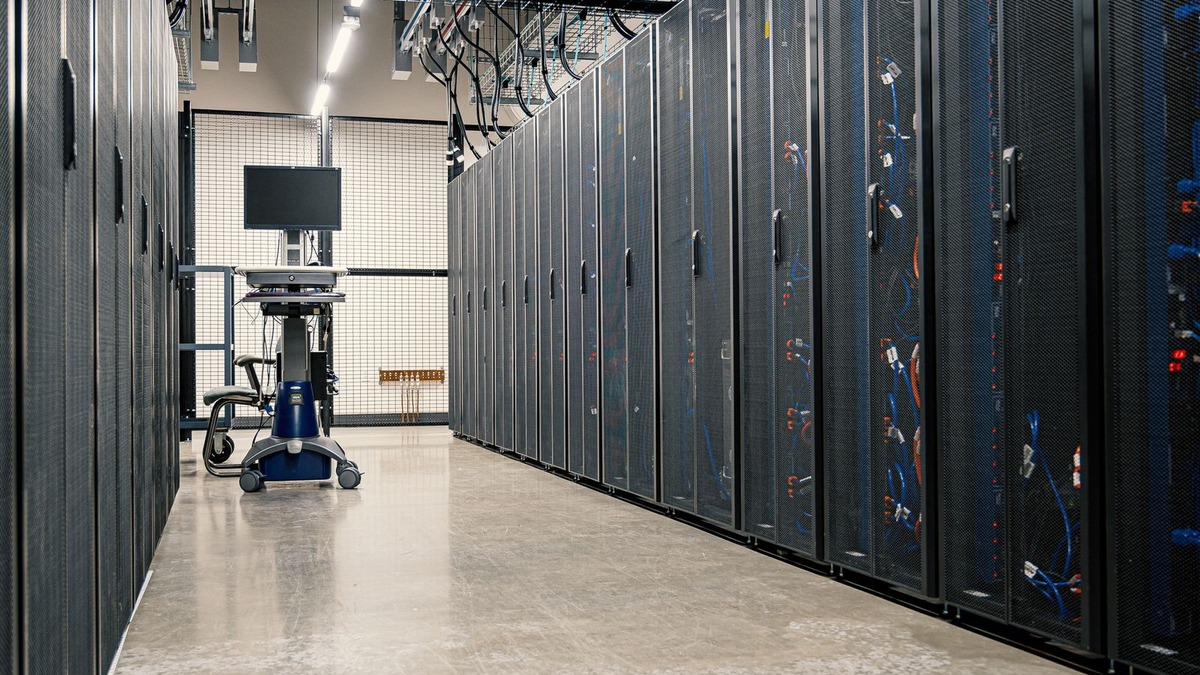
Chip-backed lending depends on a functioning resale market for the collateral if a borrower defaults, something Nvidia GPUs have and most alternative accelerators don't.
Source: pexels.com
Who Pays
The risk sits almost completely with Upper90. Nvidia GPUs carry half a decade of secondary-market pricing data, a deep pool of buyers, and a resale value lenders can model with reasonable confidence. SambaNova's SN50, however capable, doesn't. If General Compute defaults and Upper90 has to sell a warehouse of inference chips from a single vendor, it'll find out in real time whether a market for used SN50 hardware actually exists.
There is also concentration risk baked into the collateral itself. A GPU-backed loan can be resold into an ecosystem with dozens of potential buyers running CUDA workloads. A SambaNova-backed loan depends on SambaNova staying in business, staying compatible with whatever software General Compute's customers run, and continuing to find buyers for its architecture. SambaNova is one name in a broader wave of Nvidia-challenger funding this year, but Upper90 is lending against the assumption that this specific challenger is durable enough to still be standing when the loan comes due.
Upper90 isn't betting on General Compute's ability to run a cloud business. It's betting on SambaNova's balance sheet holding up long enough for the collateral underneath this loan to still be worth something if it ever needs to be seized.
Sources:

