
Fermi CEO and CFO Exit - $20B Nuclear AI Bet Implodes
Fermi America's CEO and CFO both departed as the nuclear-powered AI data center startup collapsed 83% from its IPO high with no revenue and no anchor tenant.
 5 min read
Six months after raising $746 million in a splashy Nasdaq IPO, Fermi America has lost both its chief executive and chief financial officer in the same week. The stock, which peaked at $37 shortly after listing, now trades around $5. That's a 83% collapse in market value - from roughly $20 billion to $3.4 billion - for a company that has never reported a dollar of revenue.
CEO and co-founder Toby Neugebauer departed April 18. CFO Miles Everson followed the same day. Both retain board seats. An interim "office of the CEO" led by COO Jacobo Ortiz and board observer Anna Bofa - who has experience at Google and Meta - is now running day-to-day operations while executive search firm Heidrick & Struggles hunts for a permanent replacement.
| Metric | IPO (Oct 2025) | April 21, 2026 |
|---|---|---|
| Stock price | ~$37 (peak) | ~$5-6 |
| Market cap | ~$20B | ~$3.4B |
| Revenue | $0 | $0 |
| Confirmed anchor tenant | None | None |
| Construction status | Active | Stalled |
| Leadership | Neugebauer / Everson | Interim |
The company is calling this "Fermi 2.0" and relocated its headquarters from Amarillo to Dallas. Investors were not persuaded. Shares dropped 22% on Monday following the announcement.
How the Unraveling Happened
No Tenant, No Timeline, No Revenue
The core problem at Fermi is structural, and it was visible from the moment the company went public. Project Matador - formally named the President Donald J. Trump Advanced Energy and Intelligence Campus - is a 5,800-acre site in the Texas Panhandle targeting 17 gigawatts of power from nuclear reactors, natural gas, and solar. The plan is to host data centers for AI hyperscalers. Fermi projects $1.5 billion in revenue per gigawatt built.
But none of that revenue can arrive without a signed anchor tenant. And there has never been one.
In November 2025, an exclusivity window with an unnamed potential customer expired without a deal. In December, that customer formally withdrew from a $150 million commitment. A January 2026 class action lawsuit alleged that Fermi had overstated tenant demand and concealed the project's dependence on landing a single hyperscaler. The March earnings call produced no tenant announcement - only a CFO warning that construction would halt "until a definitive tenant agreement and project financing are in place." That statement effectively confirmed what satellite imagery had already shown: minimal ground activity at the Amarillo site since February.
The company originally promised its first million square feet of data center space by April 2026. Independent analysts now estimate the realistic opening date is May 2027 at the earliest - a full year behind schedule - assuming a tenant agreement materializes at all.
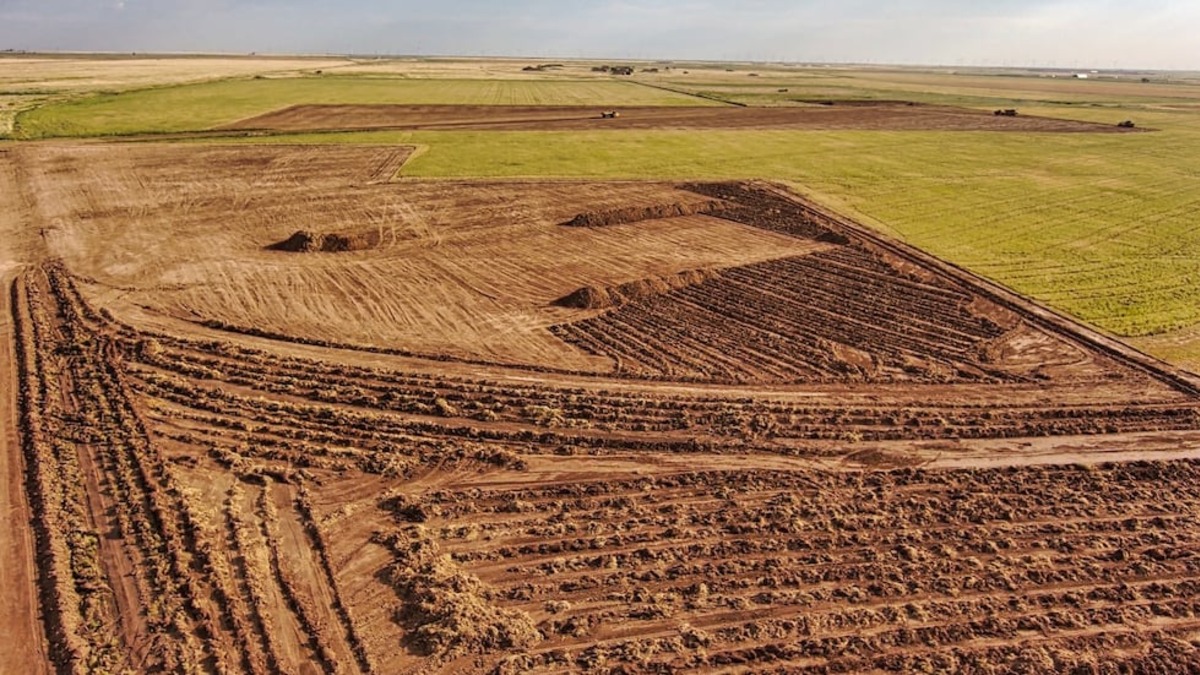 Foundation work underway at Project Matador in late 2025, before construction stalled in February 2026.
Source: newschannel10.com
Foundation work underway at Project Matador in late 2025, before construction stalled in February 2026.
Source: newschannel10.com
The CEO's Complicated Exit
Neugebauer's departure isn't purely about Project Matador's delays. His track record contributed to the trust problem.
Analyst Stephen Gengaro at Stifel noted that "friction between potential customers and the outgoing CEO" had likely hampered negotiations - a charitable framing for what several reports describe as Neugebauer alienating the hyperscalers he needed most. He had a public confrontation with U.S. Commerce Secretary Howard Lutnick at the Nvidia GTC conference in San Jose earlier this year, reportedly complaining about U.S. trade deals affecting Korean investment flows.
There's also the GloriFi chapter. Neugebauer co-founded GloriFi, an "anti-woke" consumer banking startup that attracted backing from Peter Thiel and Ken Griffin before collapsing into Chapter 7 bankruptcy in early 2023. The Wall Street Journal reported a chaotic work environment. Fermi's IPO prospectus disclosed ongoing litigation from that episode. Investors accepted the risk. Six months later, it looks like the risk appeared.
Rick Perry's son quietly sold approximately 11 million shares - about 15% of his position - before the leadership news broke.
"Friction between potential customers and the outgoing CEO likely hampered deal negotiations. Smoother customer relations may follow the changes."
- Stephen Gengaro, analyst at Stifel, on the leadership transition
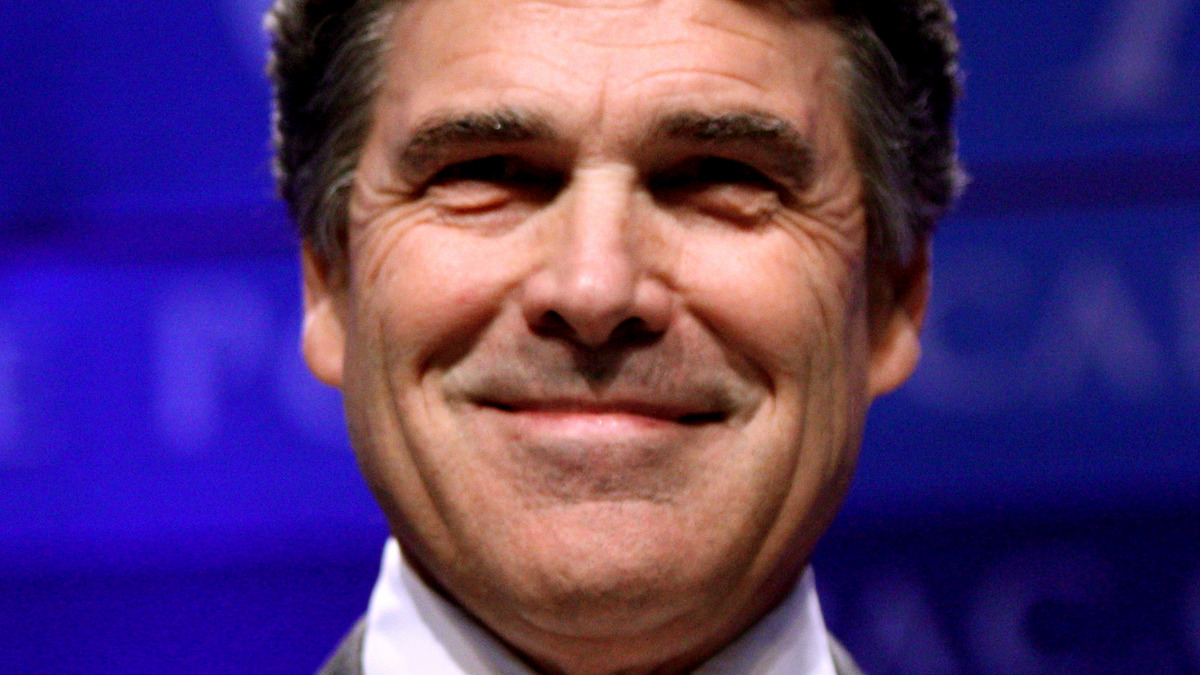 Rick Perry co-founded Fermi America with Toby Neugebauer after his tenure as U.S. Energy Secretary under Trump.
Source: commons.wikimedia.org
Rick Perry co-founded Fermi America with Toby Neugebauer after his tenure as U.S. Energy Secretary under Trump.
Source: commons.wikimedia.org
The Counter-Argument
The bull case for Fermi isn't dead, it's just thinner than it was at IPO.
The AI energy problem is real. Data center power demand is projected to triple by 2030, and the electricity grid can't keep up with hyperscaler expansion plans. A company that can deliver gigawatt-scale power in Texas, where permitting timelines are shorter than most of the country, still has a credible market to address. Fermi secured preliminary state approval for 6 GW of natural gas generation, which isn't nothing.
The OpenAI-Helion fusion deal, while years from delivery, shows that frontier AI labs are actively seeking unconventional long-term energy solutions. Oracle and OpenAI already scrapped one Texas Stargate expansion partly over power constraints - which is the exact problem Fermi claims to solve. And the White House's data center electricity pledge signals continued political support for AI infrastructure in Trump-friendly states.
New leadership could conceivably close the anchor tenant deal that Neugebauer couldn't. If Fermi lands a hyperscaler commitment in the next few months, the "Fermi 2.0" narrative becomes at least plausible.
What the Market Is Missing
The optimistic reading ignores a timing problem that finance normally punishes: Fermi IPO'd on a story, and the story hasn't delivered any of its milestones.
The company raised $746 million and has no revenue to show for it, no construction progress beyond early-stage groundwork, and no binding agreements with the customers its entire business model depends on. It named its campus after the sitting president. It installed a co-founder with a prior bankruptcy on his record. It went public before confirming a single anchor tenant.
The Fermi case illustrates a broader pattern in the AI infrastructure boom: capital is flowing freely toward projects that promise to solve a real problem at a moment of intense demand, and some of that capital is reaching founders and structures that can't execute at the speed the valuations imply. SpaceX and xAI's orbital data center ambitions carry similar risk profiles - headline scale, genuine demand, unresolved dependency on a single decisive step.
The market cap is now $3.4 billion. That still prices in a scenario where Fermi lands a major customer and executes a project it hasn't started building yet. Whether new management can deliver what Neugebauer promised is the only remaining question worth watching.
Sources: TechCrunch - Mezha - bitcoinworld.co.in - Bloomberg - News Channel 10

