
Cursor's Composer 2 Is Kimi K2.5 With RL - And No Attribution
A developer leaked the model ID for Cursor's Composer 2: kimi-k2p5-rl-0317-s515-fast. Moonshot AI says Cursor violated the Kimi K2.5 license by not displaying attribution in a $2B ARR product.
 5 min read
"was messing with the OpenAI base URL in Cursor and caught this: accounts/anysphere/models/kimi-k2p5-rl-0317-s515-fast. so composer 2 is just Kimi K2.5 with RL. at least rename the model ID"
- @fynnso on X
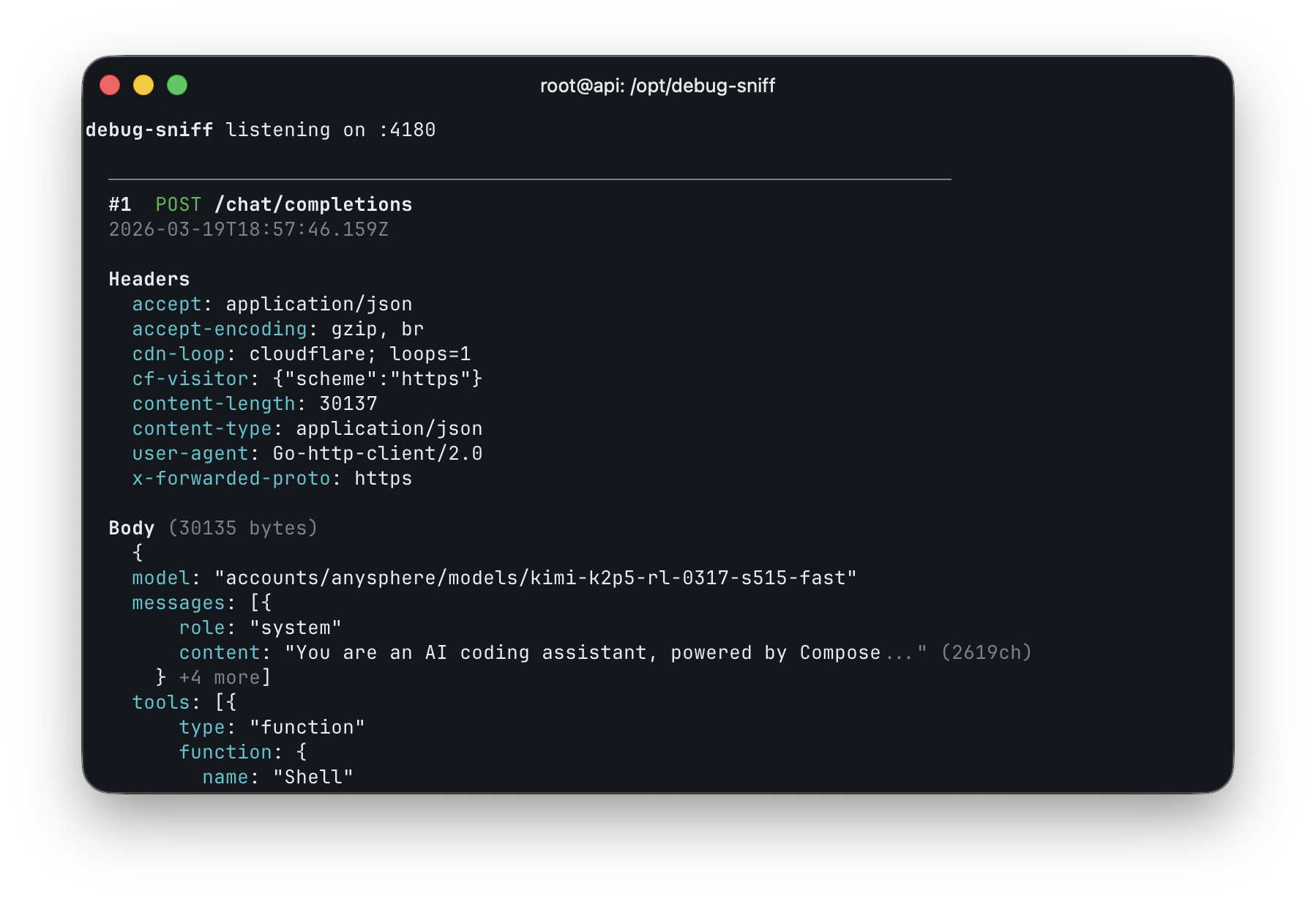 The leaked model ID from Cursor's API: accounts/anysphere/models/kimi-k2p5-rl-0317-s515-fast.
Source: x.com/@fynnso
The leaked model ID from Cursor's API: accounts/anysphere/models/kimi-k2p5-rl-0317-s515-fast.
Source: x.com/@fynnso
Cursor shipped Composer 2 on March 19 as its most capable proprietary coding model. Less than 24 hours later, a developer named Fynn discovered the model ID hidden in Cursor's API: kimi-k2p5-rl-0317-s515-fast. That isn't a Cursor model name. That's Kimi K2.5 with reinforcement learning.
Moonshot AI, the company behind Kimi, says Cursor violated its license.
Impact Assessment
| Stakeholder | Impact | Timeline |
|---|---|---|
| Cursor ($29.3B valuation) | License violation allegation, reputational damage | Immediate |
| Moonshot AI | IP rights dispute, potential enforcement action | March 2026 |
| Open-source community | Trust in "modified MIT" licenses tested | Ongoing |
| Cursor users | Model they're paying for is a fine-tuned Kimi K2.5 | Now |
How It Was Found
Fynn (@fynnso) was testing Cursor's OpenAI-compatible base URL when the internal model identifier leaked through the API response. The model ID - accounts/anysphere/models/kimi-k2p5-rl-0317-s515-fast - contains several revealing components:
- anysphere - Cursor's parent company
- kimi-k2p5 - Kimi K2.5, Moonshot AI's open-weight model
- rl - reinforcement learning (the post-training method)
- 0317 - March 17, 2026 (likely the training date)
- s515 - internal version/experiment identifier
- fast - the optimized serving variant
Cursor's Composer 2 announcement stressed "continued pretraining" and "scaled reinforcement learning" as innovations. It didn't mention Kimi K2.5 anywhere - not in the blog post, not in the release notes, not in the model card.
Moonshot's Response
Two Moonshot employees initially confirmed on social media that Cursor wasn't licensed for this use, then deleted their posts. Yulun Du, Moonshot AI's head of pretraining, publicly confirmed the tokenizer similarity and questioned Cursor's compliance with the licensing terms.
The Kimi K2.5 license is a Modified MIT License with one critical addition:
"if the Software (or any derivative works thereof) is used for any of your commercial products or services that have more than 100 million monthly active users, or more than 20 million US dollars (or equivalent in other currencies) in monthly revenue, you shall prominently display 'Kimi K2.5' on the user interface of such product or service."
Cursor's Numbers
| Metric | Value | Threshold Met? |
|---|---|---|
| Annualized revenue | $2 billion (as of Feb 2026) | $20M/month = yes |
| Monthly revenue (estimated) | ~$167 million | 8x over threshold |
| Valuation | $29.3 billion | N/A (not in license) |
| Daily active users | 1 million+ (2025) | MAU likely well over 100M threshold |
Cursor's revenue alone puts it at roughly 8x the $20 million monthly revenue threshold. The license requires "prominent display" of "Kimi K2.5" on the user interface. Cursor's UI displays "Composer 2" with no mention of Kimi.
Cursor's Response
Update (March 20): Cursor has now confirmed Composer 2 uses Kimi K2.5 as its base model. The statement from Cursor:
"Yep, Composer 2 started from an open-source base! We will do full pretraining in the future. Only ~1/4 of the compute spent on the final model came from the base, the rest is from our training. This is why evals are very different."
Cursor says it is complying with the license through its inference partner (Fireworks AI) and acknowledged the attribution gap:
"Agree with the feedback we should have mentioned the base up front, we will do that for the next model!"
The Kimi team confirmed the license is being followed. The dispute appears resolved - Cursor admits the base, commits to upfront attribution next time, and Moonshot accepts the compliance through Fireworks.
The interesting detail: Cursor claims only ~25% of the compute went to the base model, with 75% being their own RL training. That is a genuine technical contribution on top of the open weights - but it does not change the fact that the base was not disclosed until after a developer leaked the model ID.
What This Means
For Open-Weight Licenses
The resolution is actually a positive signal for open-weight licensing. The Modified MIT attribution clause worked: Moonshot wrote a license anticipating this exact scenario, a $29B company triggered it, community pressure forced transparency, and the company complied. The system worked - just not automatically.
The Transparency Problem Remains
Cursor chose option 1 - acknowledge and comply. But the fact remains: Composer 2 shipped on March 19 with no mention of Kimi K2.5. The admission came only after @fynnso leaked the model ID on March 20. Without that leak, users would still not know what model they are paying for.
Cursor's promise to "mention the base up front" for the next model is welcome. But it is a promise about the future, not an explanation for why this time was different.
A developer poked at an API endpoint and found the model ID that Cursor forgot to rename. kimi-k2p5-rl-0317-s515-fast told the story before Cursor was ready to tell it. The company has since confirmed the base, committed to upfront disclosure next time, and Moonshot has accepted the compliance. The license system worked - but only because a developer caught the model ID, not because Cursor volunteered the information. Open-weight licenses are enforceable. Transparency still has to be demanded.
Sources:
- Fynn on X - Model ID Discovery
- Cursor Composer 2 is just Kimi K2.5 with RL - Hacker News
- Moonshot AI Accuses Cursor of License Breach - Phemex News
- Mark Kretschmann on X - Base Model Confirmation
- Kimi K2.5 License - GitHub
- Cursor Surpasses $2B Annualized Revenue - TechCrunch
- Silicon Valley Learns Chinese - 36Kr
- Kimi Team Confirms License Compliance - X

