
China Weighs Copying US-Style AI Model Controls
China's Ministry of Commerce is discussing restrictions on overseas access to Alibaba, ByteDance, and Z.ai's most advanced AI models, mirroring the export control regime Beijing has spent years fighting.
 5 min read
Beijing spent three years building the case that Washington's chip export controls were protectionist overreach. Now its own commerce ministry is drafting a version of the same playbook, aimed at the AI models that made China's open-weight strategy look unstoppable.
Reuters reported on July 7 that China's Ministry of Commerce held meetings with Alibaba, ByteDance, and Z.ai about restricting overseas access to their most advanced AI systems, according to three people familiar with the discussions. The scope covers both closed and open-weight models, including systems that haven't yet been released.
TL;DR
- China's Ministry of Commerce discussed limiting foreign access to Alibaba, ByteDance, and Z.ai's most advanced models, per three sources cited by Reuters on July 7
- A tiered system is reportedly on the table: light filing for basic open tools, formal security review for advanced models, and possible domestic-only restrictions for frontier systems
- Officials are also weighing whether leaking or stealing proprietary Chinese AI counts as a national security law violation
- Nothing is decided. Sources say the rules could apply only to future models and might never take effect
- Chinese open-weight models now account for roughly 46% of token volume on OpenRouter, up from under 2% in late 2024
A Reversal Nobody Saw Coming
For the past two years, China's edge in the AI race has rested on giving models away. DeepSeek's R1 release in early 2025 triggered a wave of open-weight competitors from Alibaba's Qwen line, GLM-5.2 from Z.ai, and ByteDance's Doubao family, all priced far below their American counterparts and freely downloadable.
That strategy worked. It reshaped who runs what, at what cost, across the developer world.
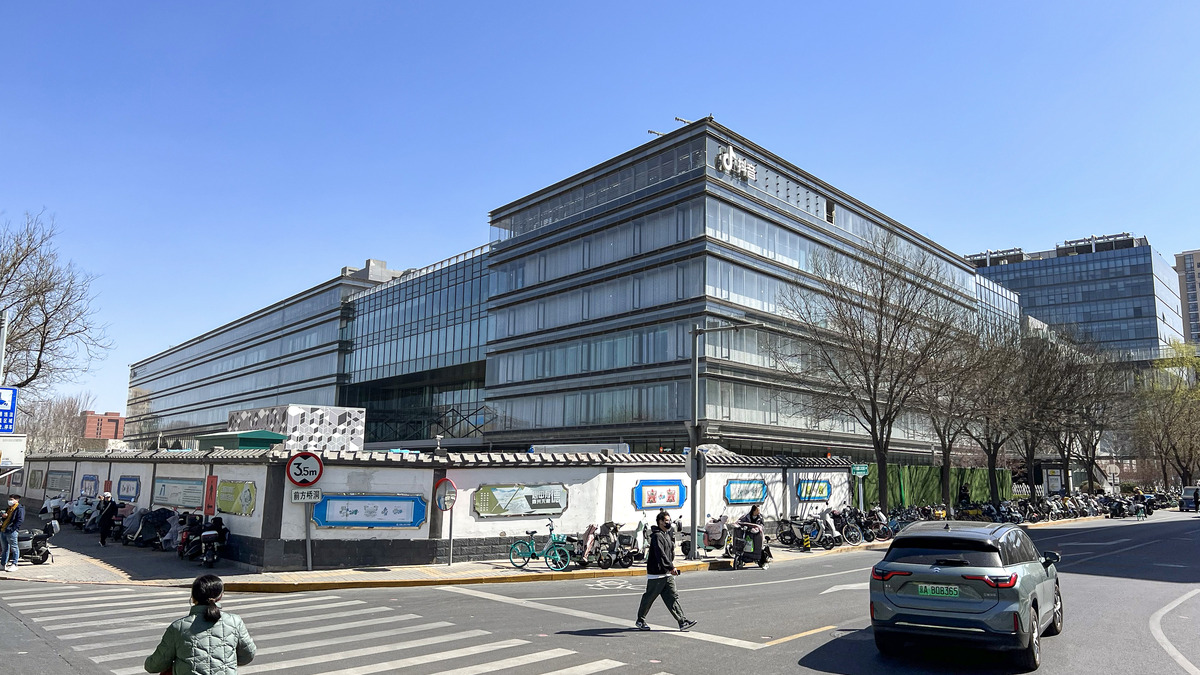 ByteDance, whose Doubao models compete directly with Western chatbots on price, is one of three companies the Ministry of Commerce reportedly consulted.
Source: wikimedia.org
ByteDance, whose Doubao models compete directly with Western chatbots on price, is one of three companies the Ministry of Commerce reportedly consulted.
Source: wikimedia.org
The Numbers Behind the Reversal
The pressure on Beijing to reconsider comes from the same success story. Chinese-origin models made up under 2% of OpenRouter's token volume in late 2024. By June 2026, that figure had climbed past 46%, with DeepSeek alone routing more weekly tokens than any single US provider. Our earlier coverage tracked this shift when Chinese models first claimed 60% of OpenRouter traffic on a single-week basis in February.
The same openness that built that dominance is now the thing officials appear anxious about controlling.
What the Ministry Is Reportedly Weighing
According to Reuters' sources, the discussions center on three moves: a tiered access framework, tighter restrictions on foreign investment into domestic AI startups, and treating the theft or leak of proprietary Chinese AI technology as a national security offense.
The tiered framework would sort models by capability. Basic open-source tools would need only a simple filing. More advanced systems would face a formal security review before release. The most sensitive frontier models could be barred from public release entirely, or limited to domestic use only.
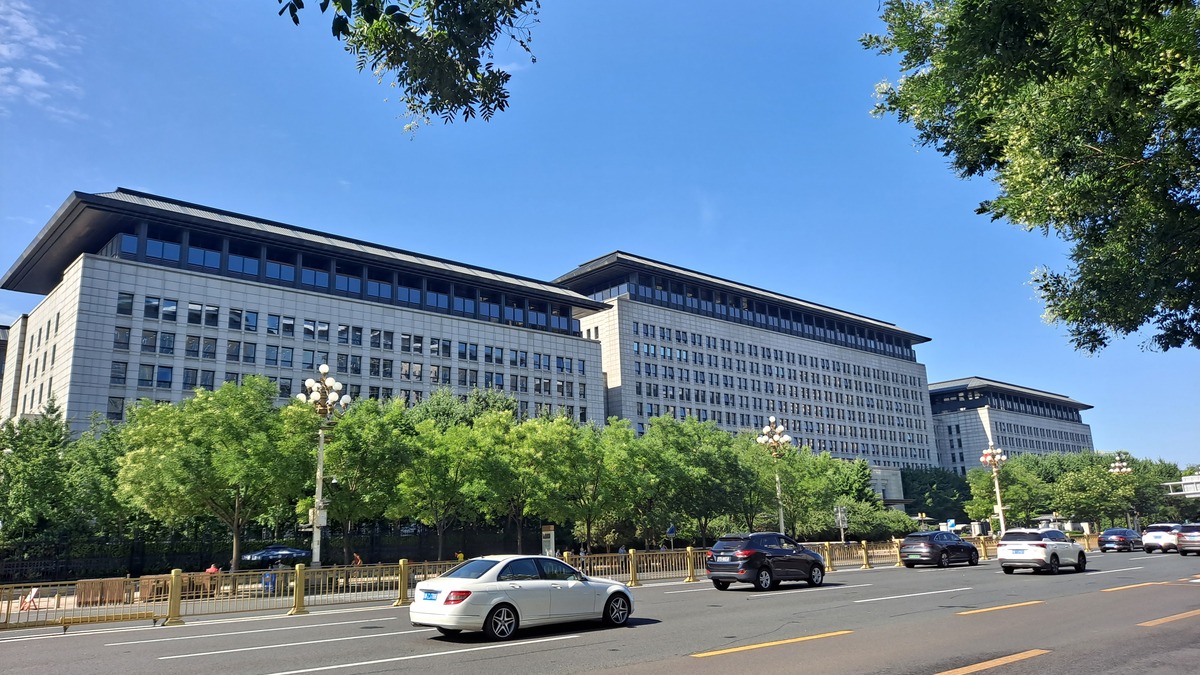 China's Ministry of Commerce, which reportedly led the meetings with Alibaba, ByteDance, and Z.ai over restricting overseas access to advanced AI models.
Source: wikimedia.org
China's Ministry of Commerce, which reportedly led the meetings with Alibaba, ByteDance, and Z.ai over restricting overseas access to advanced AI models.
Source: wikimedia.org
"Any decision by Beijing to limit access to those products could ripple across AI markets as costs for many businesses would likely increase."
That's the read from Reuters' sourcing on the stakes. Nothing here is abstract. Companies from Southeast Asian startups to Latin American enterprises have built products on Qwen and DeepSeek precisely because they were free to use and cheap to run.
The Mirror Image of Washington's Playbook
Every element of the reported framework has a US analog. Formal security review before release resembles the export licensing regime Washington uses for advanced chips. Domestic-only restrictions on frontier systems echo the logic behind barring China from license-free Nvidia chip access while carving out exceptions for allied states. Treating IP theft as a national security matter mirrors language the US has used against Chinese chip designers for years.
Beijing's own labs have spent the past year finding workarounds to US chip restrictions, including DeepSeek's move into chip design to beat export controls. The commerce ministry now appears to be studying the control side of that same equation, not just the workaround side.
| Control Lever | US Export Control Regime | China's Reported Framework |
|---|---|---|
| Basic products | Broad allowance for consumer-grade chips and models | Simple filing for basic open-source tools |
| Advanced systems | Licensing required for frontier GPUs (Nvidia H100/H200 classes) | Formal security review for advanced AI models |
| Most sensitive tier | Entity List bans, no export to restricted countries | Possible domestic-only restriction on frontier models |
| Legal backstop | Export control violations carry criminal penalties | IP theft/leak proposed as national security offense |
What Stays Unclear
Reuters was careful about the story's limits, and so should any newsroom repeating it. The sources describe meetings and proposals, not enacted policy. None of the three named companies has commented publicly. The Ministry of Commerce has not confirmed the discussions took place.
The rules, if adopted, could apply only to models released from now on, leaving Qwen, GLM-5.2, and Doubao's current versions untouched. Chinese AI exports, mostly API access and open weights rather than physical goods, became a source of geopolitical influence exactly because Beijing left the door open. The next Qwen or GLM release, and whether it ships with the same freedom as the last one, will say more about which way this goes than anything said in a ministry meeting.
Sources:

