
Atlassian Cuts 1,600 Jobs to Self-Fund AI Pivot
Atlassian is laying off 10% of its workforce and splitting its CTO role in two to redirect cash toward AI development - but the company's own CEO pledged a hiring surge five months ago.
 5 min read
On March 11, Atlassian CEO Mike Cannon-Brookes told roughly 1,600 employees their jobs were being removed. He sent the note within 20 minutes of the announcement going public. The company's stock rose about 2% in after-hours trading.
That about captures the moment we are in for enterprise software. Layoffs are no longer bad news for shareholders. AI investment is the new retained earnings.
TL;DR
- 1,600 jobs cut - ~10% of Atlassian's global workforce, completing by end of June 2026
- Over 900 of those positions were in software R&D - the engineers building the product
- CTO Rajeev Rajan is out; the role is now split between two AI-focused leaders
- Stated goal: self-fund AI investment and accelerate path to GAAP profitability
- Five months ago, Cannon-Brookes publicly pledged a hiring surge for 2025 and 2026
The Numbers
The restructuring affects all major geographies. North America takes 40% of the cuts, Australia 30%, India 16%, with the remainder spread across Japan, the Philippines, and EMEA.
| Region | Employees Affected | Share of Cuts |
|---|---|---|
| North America | ~640 | 40% |
| Australia | ~480 | 30% |
| India | ~250 | 16% |
| Other (Japan, Philippines, EMEA) | ~230 | 14% |
The financial cost is $225-236 million in total restructuring charges, with $169-174 million of that going to severance. Atlassian is booking most of it in fiscal Q3. Affected employees receive a minimum of 16 weeks' pay plus one additional week per year of service, a $1,000 technology payment, and six months of healthcare continuation.
The company told the market that cloud revenue is still growing above 25% and remaining performance obligations above 40%. Those numbers are doing a lot of work in the press release.
What Actually Changed
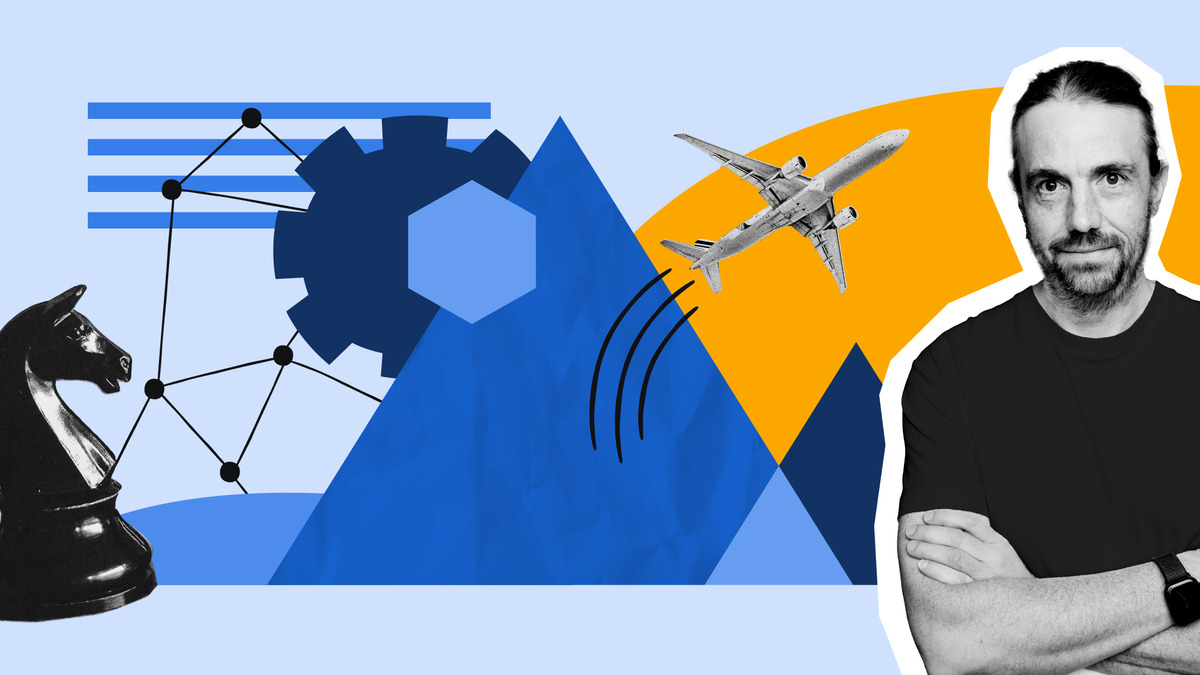 Atlassian co-founder and CEO Mike Cannon-Brookes, who announced the cuts in an email to staff on March 11.
Source: atlassian.com
Atlassian co-founder and CEO Mike Cannon-Brookes, who announced the cuts in an email to staff on March 11.
Source: atlassian.com
The CTO is Gone - Sort Of
Rajeev Rajan steps down as CTO at the end of March after nearly four years in the role. Atlassian didn't name a single replacement. Instead, it created two positions. Taroon Mandhana, previously head of engineering for AI and products, becomes CTO Teamwork. Vikram Rao, the company's Chief Trust Officer, adds CTO Enterprise to his title.
The reorganization is a clear signal about where the company wants to go. Two AI-aligned technical chiefs replacing one generalist CTO is the org chart version of "we are an AI company now."
Where Rovo Stands
Atlassian's AI assistant product, Rovo, reached 5 million monthly active users in February 2026. The company says over 600 customers are paying more than $1 million annually for it. Those are real numbers - not projections.
 The Rovo AI agents interface, showing task automation across Jira and Confluence workspaces.
Source: atlassian.com
The Rovo AI agents interface, showing task automation across Jira and Confluence workspaces.
Source: atlassian.com
The stated logic for the restructuring is that Rovo's revenue growth, combined with the $225 million freed up from cutting headcount, lets Atlassian invest in AI without raising outside capital. Self-funded pivots of this scale are uncommon. Most software companies trying to reposition around AI are doing it on new equity rounds.
"We fundamentally believe people and AI create the best outcomes. Our approach is not 'AI replaces people.'"
- Mike Cannon-Brookes, in the March 11 announcement
The quote appeared in the same memo that cut the positions of 1,600 people.
The Counter-Argument
Atlassian's defenders will point to several things, and some of them are worth taking seriously.
The company is operating in a market that punishes SaaS incumbents with low AI integration. Atlassian's shares had lost more than half their value before this announcement. The cuts weren't made from a position of strength - they reflect pressure from customers and investors who want AI-native products, not AI-adjacent ones.
The severance terms are generous. Sixteen weeks minimum, with tenure additions and healthcare, is well above what most companies offer. Atlassian didn't cut benefits before cutting people.
The Rovo traction is also real. Five million monthly active users in an enterprise product, in a market where every vendor is launching AI assistants, suggests the product has at least some pull. Investing behind that momentum is not obviously wrong.
And the market reaction, while not a verdict on ethics, is a verdict on whether the restructuring makes strategic sense. Investors bid the stock up because they think the company will be better positioned in 12 months than it'd have been without the cuts. That's a bet worth watching.
What the Market Is Missing
In October 2025, five months before the announcement, Cannon-Brookes appeared on the 20VC podcast and pledged that Atlassian would hire more new graduates in 2025 and 2026 than in any prior year. The March cuts removed over 900 R&D roles - engineers and data scientists who built the products Atlassian now bills as AI-ready.
The contradiction is not subtle. Either the October pledge was made in good faith and circumstances changed dramatically in five months, or it wasn't made in good faith. Atlassian has not addressed the gap publicly.
This pattern is becoming familiar. Oracle announced 30,000 cuts earlier this month to fund data center spending. Meta is planning to cut 16,000 jobs at the same time it's reporting record AI investment. Jack Dorsey cut half of Block's workforce and said every company would do the same within a year.
As our own analysis of 55,000 AI-attributed layoffs found, the line between "AI transformation" and "using AI as cover for cuts that were coming anyway" is difficult to locate from the outside. What distinguishes Atlassian's case is the specificity of the prior pledge and how quickly it was reversed. Cannon-Brookes is a credible operator with a long track record. The inconsistency is worth more scrutiny than the market is currently applying.
The restructuring charge hits the books in Q3. The AI investments are supposed to start paying off within one to two years. Atlassian's fiscal year ends in June. Shareholders will know more by then.
Sources:

