
Anthropic Doubles Claude Code Limits via SpaceX Deal
Anthropic gains 220,000 GPUs from SpaceX's Colossus 1 in Memphis, immediately doubling Claude Code five-hour rate limits for all paid plans.
 6 min read
SpaceX's Colossus 1 data center in Memphis is now running Claude. Anthropic announced the partnership Tuesday at its Code with Claude developer conference in San Francisco, and the developer-facing impact was immediate: five-hour rate limits for Claude Code are doubled across all paid plans, and peak-hour throttling is gone for Pro and Max subscribers.
The Memphis facility was originally built by xAI - Elon Musk's AI company - and sits among the largest AI compute clusters on the planet. Following the SpaceX-xAI merger, the combined entity is now licensing the entire facility to one of its closest competitors.
TL;DR
- Anthropic gets full access to SpaceX's Colossus 1: 220,000+ NVIDIA GPUs and 300+ megawatts of capacity in Memphis, TN
- Claude Code five-hour limits doubled for Pro, Max, Team, and Enterprise plans; peak-hour throttling removed for Pro and Max
- API volume on Anthropic's platform grew 17x year-on-year before this deal closed
- SpaceX and Anthropic are also exploring multi-gigawatt orbital compute capacity
What Colossus 1 Actually Is
Built by xAI, Now Leased to Their Rival
Colossus 1 started as xAI's answer to OpenAI's compute advantage. xAI built the Memphis facility in 122 days, initially deploying 100,000 NVIDIA GPUs. Within three months the system had scaled to 200,000 GPUs. After the SpaceX-xAI merger, xAI migrated to Colossus 2 in Southwest Memphis, freeing up Colossus 1 for what is now an unusual arrangement: renting Musk-controlled infrastructure to Anthropic, whose Claude Opus 4.7 competes directly with Grok.
Elon Musk commented at the event that he spent time last week with senior Anthropic team members and that "everyone I met was highly competent and cared a great deal about" ensuring Claude benefits humanity. Whether that goodwill holds when the two companies' inference demand grows and both need more GPU time is worth watching.
Hardware Inside the Facility
The data center holds over 220,000 NVIDIA GPUs across three generations: H100, H200, and the newer GB200 accelerators. It draws more than 300 megawatts of power. Anthropic will have access to all of it within the month.
# Inspect your current Anthropic API rate limit state via response headers
curl -s -D - https://api.anthropic.com/v1/messages \
  -H "x-api-key: $ANTHROPIC_API_KEY" \
  -H "anthropic-version: 2023-06-01" \
  -H "content-type: application/json" \
  -d '{"model":"claude-opus-4-7","max_tokens":1,"messages":[{"role":"user","content":"ping"}]}' \
  | grep -i "anthropic-ratelimit"
The response headers show your current limits and remaining capacity. After May 6, those ceiling values are higher across every paid tier.
The Rate Limit Changes, Broken Down
Anthropic hasn't published the specific token or request numbers behind "doubled" - just that the five-hour ceiling is now twice what it was before. That's frustrating for anyone trying to budget API usage exactly, but the directional change is clear.
| Plan | Five-Hour Limit | Peak Hours |
|---|---|---|
| Pro | Doubled | Restrictions removed |
| Max | Doubled | Restrictions removed |
| Team | Doubled | No change |
| Enterprise (seat-based) | Doubled | No change |
Claude Code Specifics
The changes took effect May 6, 2026 - the day of the announcement. Claude Code users on Pro and Max also lose the throttling that previously kicked in during busy periods. For anyone running heavy agentic workloads, that's more predictable throughput, not just higher ceilings.
Opus API Changes
Claude Opus API rate limits went up "considerably" for API customers. No specific numbers are published here either. Anthropic's rate limits documentation page is the authoritative source for current figures, since they update without a versioned changelog.
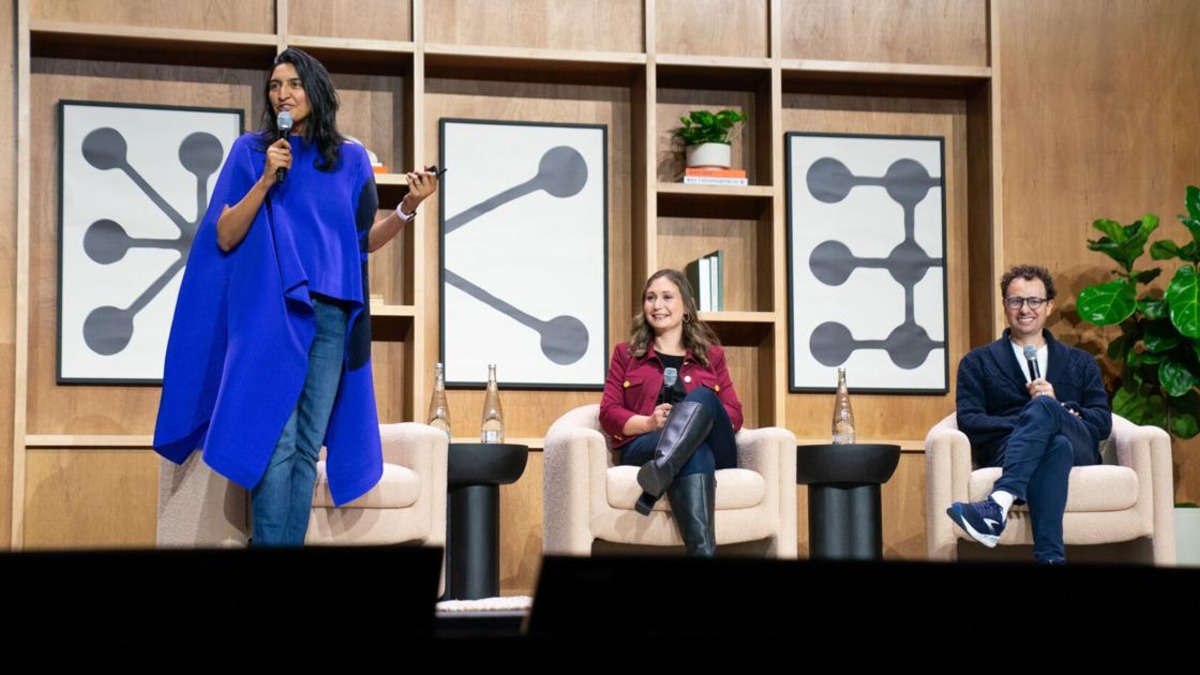 Anthropic's Code with Claude 2026 developer conference in San Francisco on May 6, where Dario Amodei, Daniela Amodei, CPO Ami Vora, and Head of Claude Code Boris Cherney presented.
Source: lufkindailynews.com
Anthropic's Code with Claude 2026 developer conference in San Francisco on May 6, where Dario Amodei, Daniela Amodei, CPO Ami Vora, and Head of Claude Code Boris Cherney presented.
Source: lufkindailynews.com
What Else Dropped at Code with Claude
The SpaceX deal was the headline, but the conference packed in several other releases worth noting.
Claude Managed Agents
Multi-agent orchestration is now in public beta. The release includes an Outcomes feature for defining success criteria and a research-preview capability called Dreaming, which lets agents review previous sessions and refine their own behavior. Anthropic's API volume grew 17x year-on-year going into the event, and the managed agents push is aimed at capturing more of that demand at the application layer.
New Claude Code Tools
Boris Cherney announced a Code Review tool, Remote Agents (controlling a laptop from a phone), CI auto-fix for automatic pull request repairs, Security Reviews, and Routines - higher-order prompts for async automations. Companies like Mercado Libre are reportedly targeting 90% autonomous coding by Q3 2026.
That feature pipeline ties directly to the infrastructure move: more compute headroom means Anthropic can offer more aggressive defaults without hitting capacity limits on their end. See Claude Code's recent desktop redesign for context on how fast the tooling is evolving.
 The Colossus 1 facility in Memphis - originally xAI's flagship supercomputer, now licensed to Anthropic as xAI migrates to the newer Colossus 2 site in Southwest Memphis.
Source: actionnews5.com
The Colossus 1 facility in Memphis - originally xAI's flagship supercomputer, now licensed to Anthropic as xAI migrates to the newer Colossus 2 site in Southwest Memphis.
Source: actionnews5.com
The Orbital Compute Play
Buried in the announcement is a forward-looking item: Anthropic and SpaceX are "exploring partnering to develop multiple gigawatts of orbital AI compute capacity." No timeline, no technical specifications, no pricing. SpaceX has satellite infrastructure through Starlink and a launch cadence that makes orbital hardware more credible than it would be from most providers. Musk has previously described orbital compute as "totally viable."
This is speculative for now. What's concrete is the Colossus 1 ground-based deal. The orbital angle reads mainly as positioning for Anthropic's expected June IPO, giving investors a long-term story alongside the immediate compute expansion.
Anthropic's compute portfolio is growing across multiple providers simultaneously. The commitment to $200B in Google Cloud and a separate $40B Google deal are already in place, with Amazon at 5 GW, Google and Broadcom at 5 GW from 2027, and Microsoft Azure at $30B. Colossus 1 adds to that stack, not replaces it.
Where It Falls Short
Dependency on a competitor's infrastructure. SpaceX, through the xAI merger, now controls compute that Grok runs on. Grok and Claude compete for the same developer and consumer market. Renting infrastructure from a competitor isn't structurally different from cloud providers hosting rival products - but the concentration risk is specific. If SpaceX-xAI needs Colossus 1 capacity back, Anthropic has limited leverage.
No specific rate limit numbers. "Doubled" is not a number developers can plan around. Production deployments need actual limits, not ratios. This opacity is consistent with how Anthropic has always communicated rate changes, but it doesn't make engineering decisions easier.
Memphis has an environmental dispute. As of May 5, local activists were blocking operations at the Colossus site to protest air pollution permits. That controversy now transfers to Anthropic as the new operator. It isn't a technical flaw in the deal, but it's a real liability for a company that positions responsible AI development as its core mission.
Colossus 1 won't be upgraded. xAI moved to Colossus 2 because that's where the next-generation hardware goes. Colossus 1's H100/H200/GB200 mix is still major, but it won't receive further GPU additions while xAI builds out its own newer site. Anthropic is leasing established infrastructure, not a platform that scales with them.
The rate limit increases are real. The compute capacity is significant. The question is whether this arrangement holds as both companies' inference demands grow through the rest of 2026.
Sources:
- Anthropic - Higher usage limits for Claude and a compute deal with SpaceX
- Simon Willison - Code w/ Claude 2026 live blog
- Teslarati - SpaceXAI signs agreement with Anthropic for massive AI supercomputer access
- Engadget - Anthropic is doubling Claude Code rate limits after deal with SpaceX
- XDA Developers - Anthropic is doubling Claude Code's rate limits, working with SpaceX
- MLK50 - Memphis activists block xAI operations to protest pollution
- Action News 5 - Anthropic, parent company of Claude, to operate data center in Memphis

