
Anthropic Watermarks Claude Worldwide for EU Rules
Anthropic is embedding invisible watermarks in Claude's text and files everywhere it operates, not just in Europe, to satisfy transparency rules that took effect August 2.
 6 min read
Anthropic confirmed on August 11 that it is embedding invisible watermarks into everything Claude writes, and it isn't limiting the change to European users. A law written in Brussels is now shaping what happens when anyone, anywhere, copies text out of Claude.
TL;DR
- Anthropic now embeds an imperceptible watermark in Claude-generated text and attaches C2PA provenance metadata to created image and vector files
- The trigger is Article 50 of the EU AI Act, whose transparency rules took effect August 2, 2026
- Anthropic chose to apply the marking globally rather than build a separate EU-only version of Claude
- Non-compliance carries fines of up to €15 million or 3% of global annual turnover, whichever is higher
- Reddit threads turned hostile within a day, with users arguing the policy punishes people who lightly edit AI drafts while leaving heavier users undetected
What the Rule Actually Requires
Article 50 of the EU AI Act obliges providers of general-purpose AI systems to mark the content those systems produce in a machine-readable way, so it can be identified as artificial. The European Commission's implementing guidelines were finalized on July 20 and cover four areas: direct interaction with individuals, AI-generated content, emotion recognition, and deepfakes touching public-interest matters. The obligations went live on August 2. Miss them, and a company is looking at a fine of up to €15 million or 3% of its global turnover, whichever number is bigger.
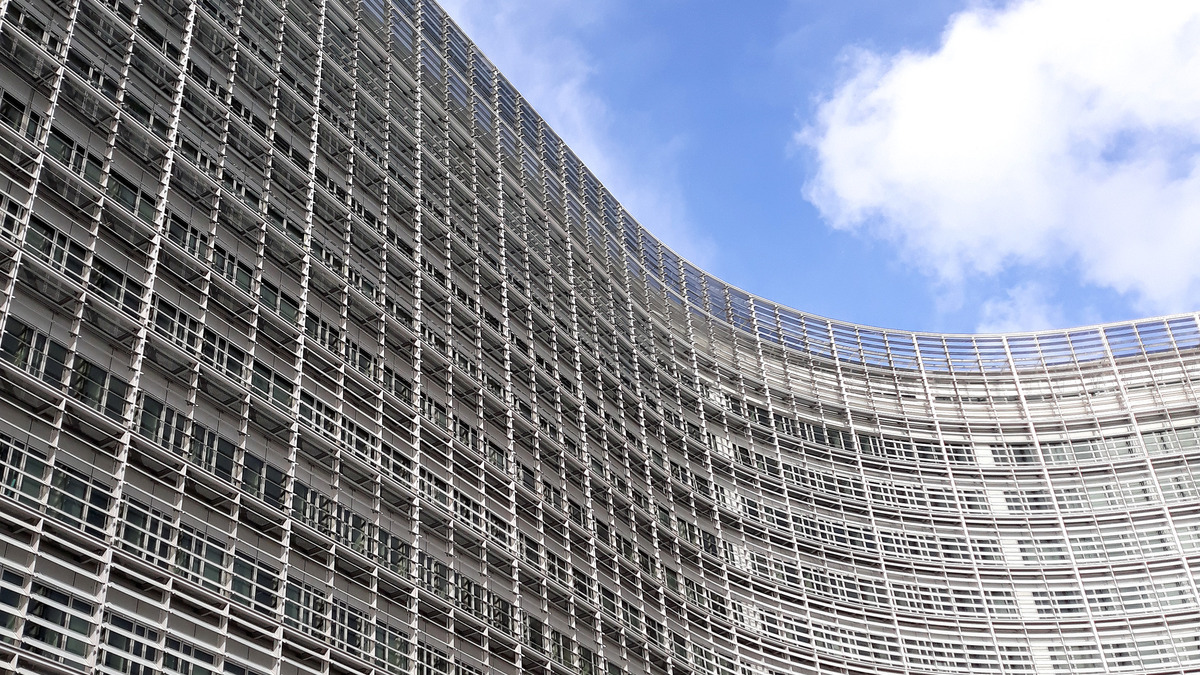 The European Commission's Berlaymont headquarters in Brussels, where the AI Office finalized the Article 50 guidelines that took effect August 2, 2026.
Source: wikimedia.org
The European Commission's Berlaymont headquarters in Brussels, where the AI Office finalized the Article 50 guidelines that took effect August 2, 2026.
Source: wikimedia.org
Anthropic's response, according to its own documentation, combines two mechanisms. Text gets an imperceptible pattern woven directly into the output, one that survives copy-paste and, per the company, "may persist through some editing." Generated files in formats like SVG, PNG, and JPG get signed provenance metadata following the C2PA standard, the same open format used to authenticate photojournalism.
"Because the watermark is part of the text, it will travel with the text when it's copied and pasted elsewhere, and may persist through some editing."
That's Anthropic's own framing of what the mark can do. It says nothing about what happens once someone runs the text through a translator, a paraphrasing tool, or a second AI model, and the company doesn't claim it'll survive that.
A Global Rollout for a Regional Law
The detail that separates this from a routine compliance filing is scope. Anthropic didn't build an EU-flagged version of Claude. It shipped the watermark everywhere Claude operates, according to reporting from Euronews, which quoted the company saying the mark "would apply to every region where Claude is offered, not just the EU." Every Claude model released on or after August 2 supports marking from launch; older models are being retrofitted during the grace period EU law allows.
Building one global product is cheaper than maintaining a compliance fork, and it sidesteps the operational mess of detecting which output belongs to which jurisdiction. It also means a developer in Austin or a student in Manila is now producing marked text because of a law that has no jurisdiction over either of them.
A law written for European regulators is now shaping what happens when anyone, anywhere, copies text out of Claude.
| Stakeholder | Impact | Timeline |
|---|---|---|
| Anthropic | Engineering cost of building and maintaining watermarking across Claude, Claude Code, Claude Cowork, Claude Tag, and the API | Live since Aug 2 for new models; older models mid-retrofit |
| EU regulators | Gain a machine-readable signal for enforcement, though one both sides admit is not conclusive proof of AI authorship | Ongoing under Article 50 |
| Enterprise Claude customers | Internal documents, code comments, and reports may now carry a detectable AI fingerprint even after light editing | Immediate |
| Students and employees | Risk of being flagged for AI use in contexts where policy bans or restricts it, regardless of how much original thinking went into the final text | Immediate |
| Rival labs (OpenAI, Google, Meta) | Face the same Article 50 deadline; some have moved faster than others on deploying marking broadly | Ongoing |
Companies
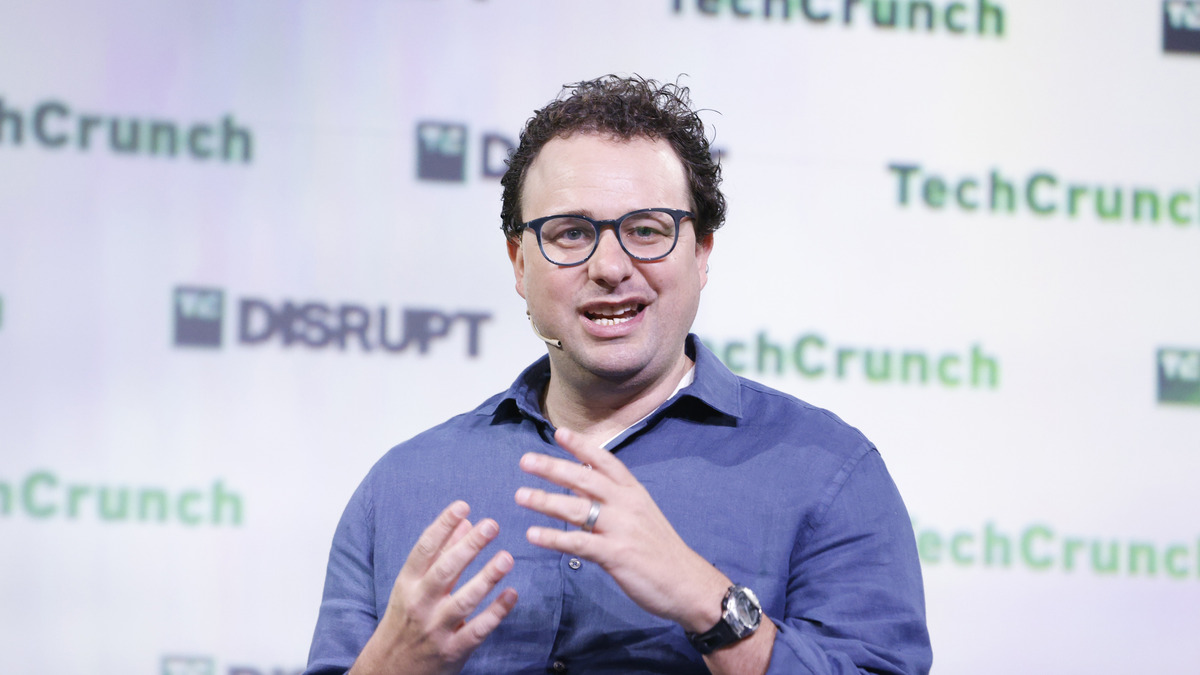 Anthropic CEO Dario Amodei. The company chose a global rollout over building a separate, EU-only version of Claude.
Source: wikimedia.org
Anthropic CEO Dario Amodei. The company chose a global rollout over building a separate, EU-only version of Claude.
Source: wikimedia.org
Anthropic isn't alone in facing this deadline. Google DeepMind already runs SynthID across its image and video generators. OpenAI, Meta, Black Forest Labs, and Synthesia all signed on to the EU's voluntary Code of Practice that Article 50 formalizes into law, but Euronews reported OpenAI has moved more slowly than Anthropic in launching watermarking broadly across its products. Anthropic beat several larger rivals to a global rollout of a compliance mechanism none of them especially wanted to build.
Users
The backlash arrived on Reddit within a day of the announcement. One frequently echoed complaint: sophisticated users who know how to strip or evade watermarks stay invisible, while ordinary users doing routine edits get flagged. "Who will get caught? You. The student who used Claude to reorganize a paragraph," one commenter wrote, arguing the policy lands hardest on people with the least reason to hide anything. Others called it "unethical" for a company to watermark output built from other people's writing. A counter-thread pushed back just as hard, with one reply summing up the opposing view: "The only reason you wouldn't want this is to lie to people."
Competitors
The comparison that matters here isn't Anthropic against OpenAI. It's watermarking against detection tools that already exist and already get bypassed daily by anyone motivated enough to try. A mark that "may persist through some editing" is a compliance checkbox, not a forensic guarantee, and Anthropic says so itself.
What Happens Next
Anthropic still owes marking support to every Claude model released before August 2, and the EU's grace period for that backfill isn't indefinite. The bigger open question sits with enforcement: national regulators now have a legal basis to demand marked content, but no one has tested yet what a court does with a watermark that a user says they never saw, on text they say they wrote themselves. The first dispute over that gap is likely to land before the technology does.
Sources:
- Anthropic says it will watermark text generated by its AI models - TechCrunch
- Some Claude users are mad that Anthropic's new watermarks will catch them cheating - TechCrunch
- EU compliance, delivered globally: Anthropic to watermark Claude's output worldwide - Euronews
- How Claude marks AI-generated content - Anthropic Support
- Transparency obligations under Article 50 of the AI Act - European Commission

