
Anthropic Acquires Stainless SDK Startup for $300M
Anthropic has acquired Stainless, the SDK automation startup behind developer tooling used by OpenAI, Google, and Cloudflare, for more than $300 million.
 5 min read
Anthropic confirmed Monday it has picked up Stainless, the New York-based startup whose SDK generation technology was woven into the developer tooling of its biggest rivals. The deal price wasn't disclosed publicly, but The Information reported it passed $300 million.
The company that quietly built the plumbing for OpenAI, Google, Cloudflare, Replicate, and Runway is now inside Anthropic. And Anthropic is shutting down the hosted products those rivals depended on.
TL;DR
- Anthropic picked up Stainless, the SDK automation startup, for $300M+ (per The Information)
- Stainless created SDKs for OpenAI, Google, Cloudflare, Replicate, and Runway - now those hosted products are being shut down
- Existing customers keep full ownership of any SDKs already produced, with rights to modify them
- The deal gives Anthropic the team that built MCP server generation tooling, critical infrastructure as agentic AI scales
Why Anthropic Paid for the Plumbing
The Hidden Cost of a Fast-Moving API
SDKs - the client libraries developers use to call an API - are unglamorous. They're lines of boilerplate that convert HTTP requests into idiomatic function calls in Python, TypeScript, Go, Kotlin, and Java. They require constant updates as APIs add parameters, change behaviors, and deprecate endpoints.
For any company shipping a production API that changes weekly, keeping those libraries accurate across five or more languages is expensive and slow. Get it wrong and developers hit cryptic errors, file GitHub issues, and route around your official client with hand-rolled HTTP calls. Get it right and adoption compounds.
Alex Rattray understood this problem from his time at Stripe, where he built the codegen system powering Stripe's own API client libraries. He founded Stainless in 2022 to automate the entire lifecycle: feed it an OpenAPI spec and it produces production-ready SDKs in every major language, keeping them synchronized automatically as the spec evolves. The Stainless Studio, its web platform, also creates documentation sites, CLIs, and - crucially - MCP servers.
Sequoia Capital and Andreessen Horowitz backed the company. By 2025, it had grown to 49 employees and was processing specs for the most influential API providers in the industry.
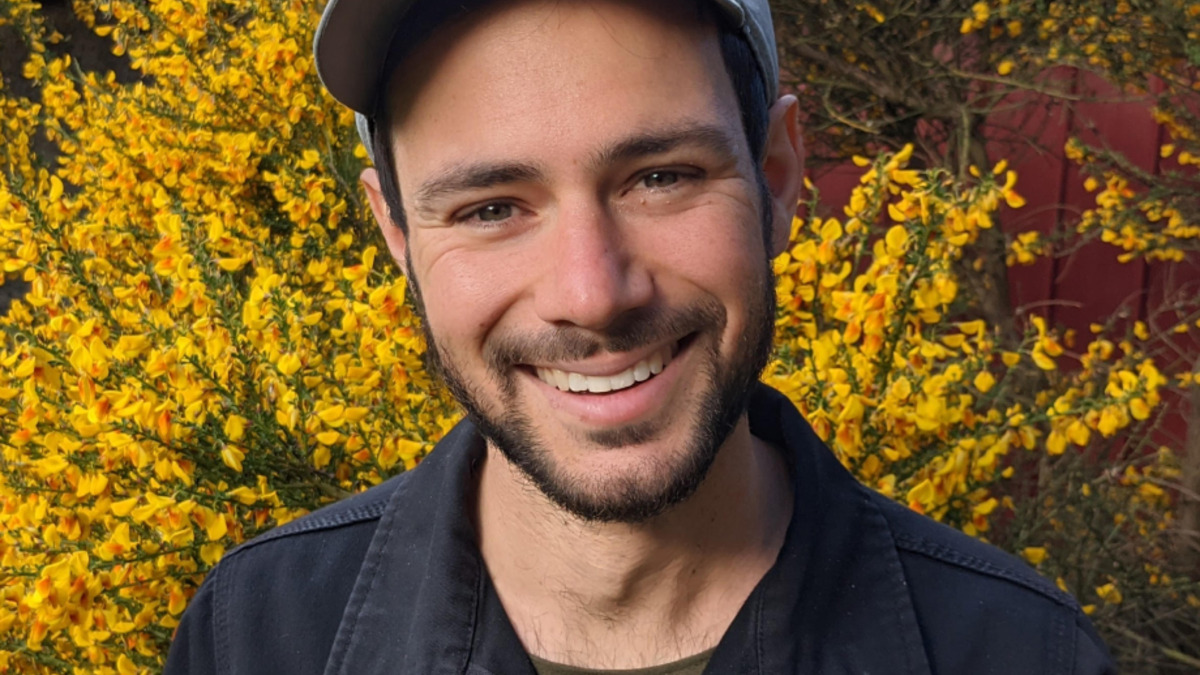 Alex Rattray founded Stainless in 2022 after building Stripe's API client library infrastructure.
Source: sequoiacap.com
Alex Rattray founded Stainless in 2022 after building Stripe's API client library infrastructure.
Source: sequoiacap.com
Anthropic Was Already the Anchor Customer
Stainless didn't come to Anthropic cold. Every official Anthropic SDK - the Python client, the TypeScript client, the Go client - was generated by Stainless since the Claude API's earliest days. The two teams had worked together long enough that Anthropic knew exactly what it was buying.
Katelyn Lesse, Anthropic's Head of Platform Engineering, put the reason plainly in the acquisition announcement:
"Agents are only as useful as what they can connect to. We're excited to bring the Stainless team into Anthropic."
That statement is the core thesis. This is not an acqui-hire for headcount. It's a bet on the infrastructure layer that determines how well Claude connects to the rest of the software world.
The MCP Angle Matters More Than the SDKs
The Model Context Protocol that Anthropic introduced and has been pushing as an open standard for AI agent connectivity is the real strategic context for this deal. SDKs let human developers write code against an API. MCP servers let AI agents call those same APIs at runtime - without pre-written code.
Stainless had started creating MCP servers as part of its platform. Any company with an OpenAPI spec could get a deployable MCP server with its traditional SDKs. In Anthropic's hands, that capability means Claude's ability to connect to external services can scale in pace with the OpenAPI ecosystem, not the speed of internal engineering capacity.
The MCP server ecosystem is already fragmented - as of April, nearly a third of servers in public registries were stale or unmaintained. Anthropic picking up the tooling company best positioned to generate and maintain those servers is a direct response to that infrastructure problem.
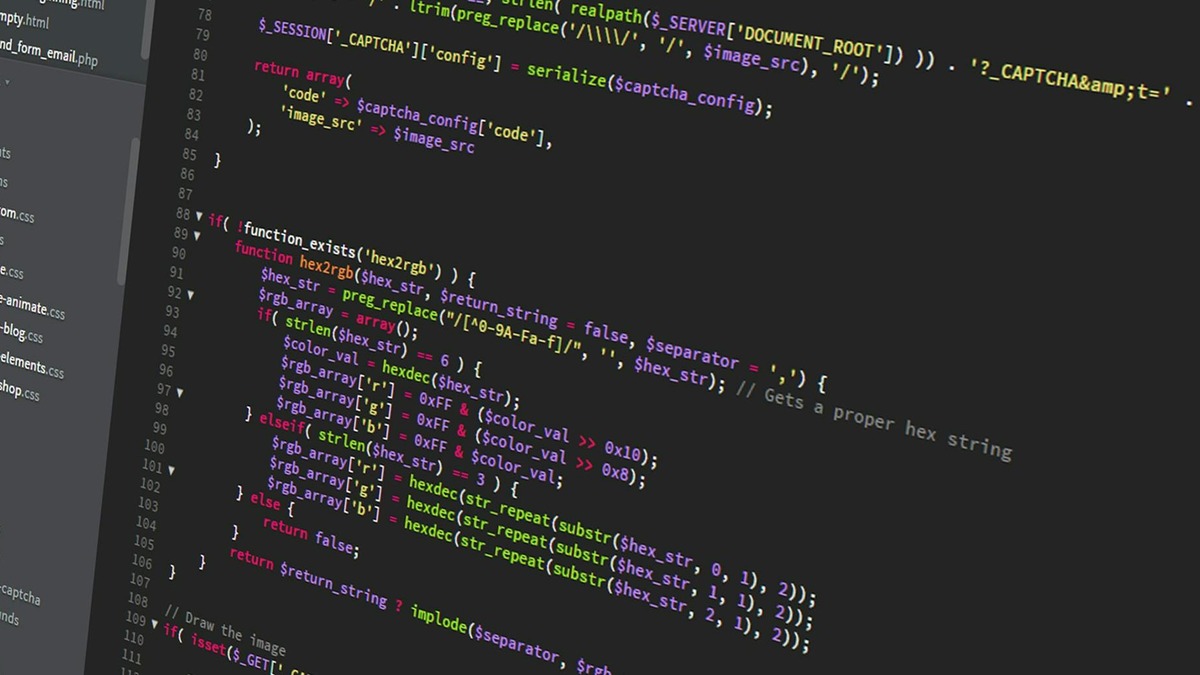 Stainless automates SDK generation from OpenAPI specs across Python, TypeScript, Go, Java, Kotlin, and more.
Source: pexels.com
Stainless automates SDK generation from OpenAPI specs across Python, TypeScript, Go, Java, Kotlin, and more.
Source: pexels.com
What OpenAI, Google, and Cloudflare Are Losing
The Hosted Products Disappear
Anthropic will wind down all hosted Stainless products, including the SDK generator that OpenAI, Google, Replicate, Runway, and Cloudflare relied on. The shutdown was announced without negotiation. Companies that built their developer tooling workflows around Stainless's hosted platform need alternatives.
Speakeasy, Fern, and APIMatic all create SDKs from OpenAPI specs and will likely see inbound interest from Stainless's former customers. None of them were running SDK generation simultaneously for the two largest frontier AI labs, but they're capable tools.
The SDKs Themselves Stay Intact
Anthropic made one clear concession: existing customers own every SDK they've already produced, with full rights to modify and extend them however they need. The code that shipped in OpenAI's Python client, Google's SDK, and Cloudflare's libraries doesn't stop working. What stops is the automated maintenance pipeline that kept them in sync.
For teams with fast-changing APIs, that gap is real. Manual SDK maintenance is the exact problem Rattray built Stainless to remove in the first place.
Rattray's comment at the announcement - "I started Stainless because SDKs deserve as much care as the APIs they wrap" - was a clean founder exit line. What it doesn't address is the structural shift the acquisition creates.
Stainless's value was partly technical and partly positional: it was neutral infrastructure. It served rivals without picking sides. Anthropic has now ended that arrangement, absorbing the tooling and closing the hosted service. Competitors will maintain their own developer libraries from here. Anthropic will have the team that knows best how to automate that work.
Whether that translates into a meaningful Claude platform advantage over the next 18 months depends on how well Lesse's team executes on the MCP server generation pipeline. The acquisition is a capability bet, not an obvious competitive moat - but it's placed on the layer of the stack that every agentic AI system will eventually need to cross.
Sources:
- Anthropic acquires Stainless (official announcement)
- Anthropic has acquired the dev tools startup used by OpenAI, Google, and Cloudflare (TechCrunch)
- Stainless in 2025: Building the API platform we always wanted (Stainless Blog)
- Stainless is helping OpenAI, Anthropic and others build SDKs for their APIs (TechCrunch, 2024)
- Anthropic Stainless Acquisition: How a $300M+ Developer Tools Deal Could Hand Anthropic Control Over Its Rivals' SDKs (EntrepreneurLoop)
- Alex Rattray, Founder and CEO of Stainless (Sequoia Capital)

