
AMD Ryzen AI 400 Brings 50 TOPS NPU to the Desktop
AMD launches the first desktop processors with Copilot+ qualified NPUs, putting 50 TOPS of on-device AI into AM5 desktops starting Q2 2026.
 6 min read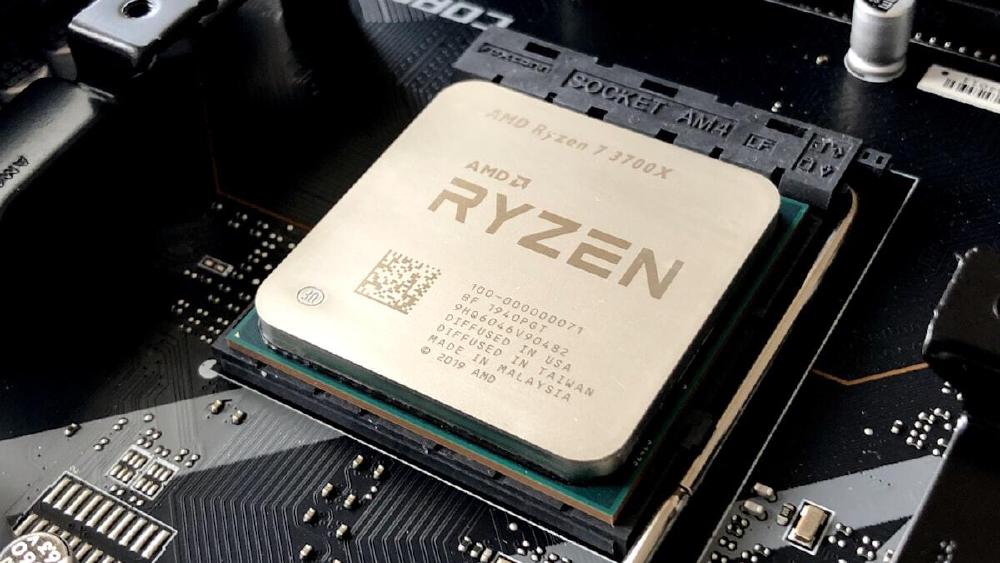
Desktop PCs just got their first dedicated AI brain, and it speaks 50 trillion operations per second.
AMD announced the Ryzen AI 400 Series at Mobile World Congress 2026 in Barcelona today - the world's first desktop processors with a neural processing unit powerful enough to qualify for Microsoft's Copilot+ certification. The chips pair Zen 5 CPU cores with an XDNA 2 NPU delivering up to 50 TOPS of AI compute, all on the existing AM5 socket.
Until now, on-device NPUs have been a laptop story. Intel's desktop Arrow Lake chips top out at roughly 13 TOPS - far below the 40 TOPS floor Microsoft requires for Copilot+. AMD just leapfrogged that barrier on the desktop for the first time.
Key Specs
| Spec | Value |
|---|---|
| Architecture | Zen 5 + Zen 5c (hybrid) |
| Process | 4nm ("Gorgon Point") |
| NPU | XDNA 2, up to 50 TOPS |
| GPU | RDNA 3.5 integrated |
| Socket | AM5 |
| Memory | DDR5-5600 |
| TDP | 65W (G) / 35W (GE) |
| Availability | Q2 2026 |
| OEMs | HP, Lenovo, Dell |
The Full Lineup
AMD is shipping three desktop SKUs, each in a standard 65W "G" variant and a low-power 35W "GE" variant for mini PCs and embedded systems.
| Model | Cores | Config | Boost | GPU | L3 Cache |
|---|---|---|---|---|---|
| Ryzen AI 7 450G/GE | 8C/16T | 4 Zen 5 + 4 Zen 5c | 5.1 GHz | Radeon 860M (8 CU) | 16 MB |
| Ryzen AI 5 440G/GE | 6C/12T | 3 Zen 5 + 3 Zen 5c | 4.8 GHz | Radeon 840M (4 CU) | 16 MB |
| Ryzen AI 5 435G/GE | 6C/12T | 2 Zen 5 + 4 Zen 5c | 4.5 GHz | Radeon 840M (4 CU) | 8 MB |
All six chips share the same 50 TOPS XDNA 2 NPU. The PRO variants (Ryzen AI PRO 450G, 440G, 435G) add enterprise security and manageability features for IT fleet deployments.
With the desktop parts, AMD also detailed mobile Ryzen AI PRO 400 Series processors - including a flagship Ryzen AI 9 HX PRO 470 that pushes the NPU to 60 TOPS and claims 30% faster multithreaded performance than Intel's Core Ultra X7 3581.
CPU: Zen 5 Meets Zen 5c
Every desktop chip uses a hybrid core layout mixing full-fat Zen 5 cores with compact Zen 5c cores. The flagship 450G gets four of each for eight total cores and 16 threads. The 435G leans heavier on efficiency cores - two Zen 5 plus four Zen 5c - keeping die area and thermals in check at the cost of peak single-threaded performance.
This is the same hybrid approach AMD debuted in mobile Ryzen AI 300 last year, now ported to the desktop AM5 platform. Early mobile benchmarks suggest roughly 12% multi-core uplift over the Ryzen AI 9 HX 370 in Cinebench 2024.
NPU: XDNA 2 at 50 TOPS
The XDNA 2 block is the centerpiece. At 50 TOPS of INT8 compute, it clears Microsoft's Copilot+ threshold of 40 TOPS with headroom to spare. For context, Intel's current desktop NPU manages about 13 TOPS. Qualcomm's Snapdragon X Elite hits 45 TOPS - but only in laptops.
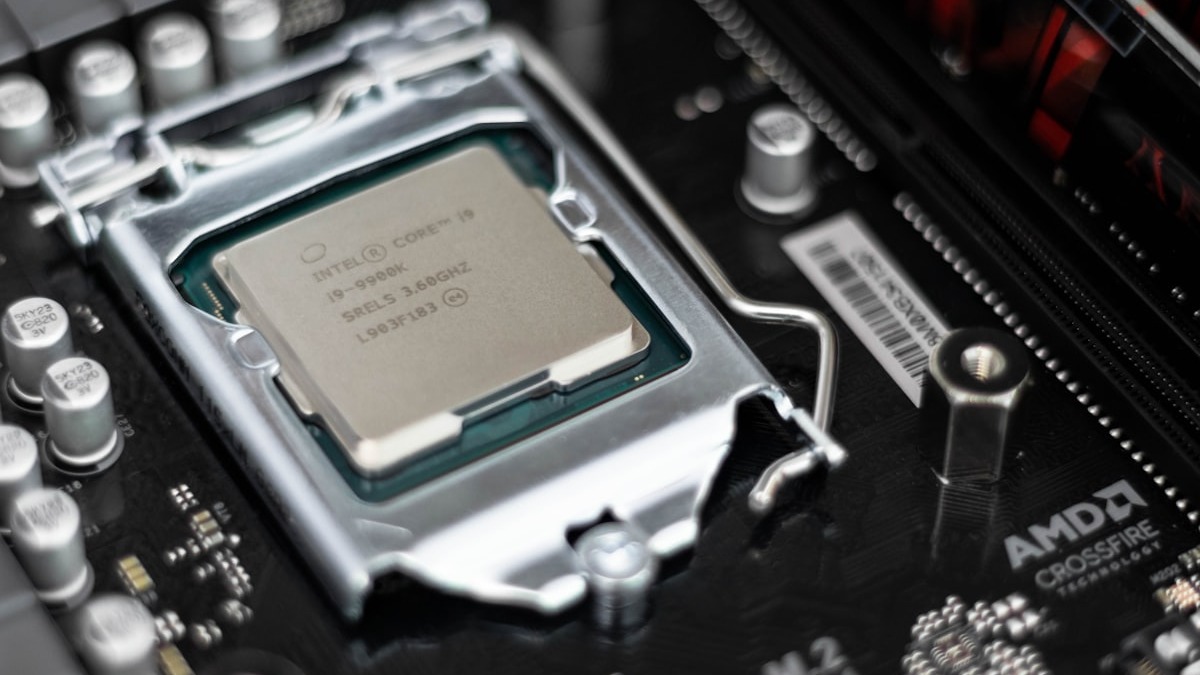 AMD's XDNA 2 NPU integrates directly into the Ryzen AI 400 die with Zen 5 CPU cores and RDNA 3.5 graphics.
What 50 TOPS means practically: local inference for small language models, background AI tasks like live captioning and image generation, and the full suite of Windows Copilot+ features - Recall, Click to Do, live translation - running completely on-device.
For developers exploring local LLM deployment, the NPU offers a dedicated offload path that keeps the CPU and GPU free. Combined with DDR5-5600 memory support, these chips can feed inference workloads without starving the rest of the system - assuming you can get the RAM, given the ongoing memory chip crisis.
GPU: RDNA 3.5 Integrated
The Radeon 860M in the top-tier 450G packs 8 RDNA 3.5 compute units. The 440G and 435G drop to 4 CUs with the Radeon 840M. These handle display output, light gaming, and GPU-accelerated AI workloads when the NPU is busy or unsupported. Early mobile benchmarks show the Radeon 890M holding 60+ FPS in Cyberpunk 2077 at 1080p Low without a discrete GPU.
How It Stacks Up Against Intel
| Feature | AMD Ryzen AI 7 450G | Intel Core Ultra 200S (Arrow Lake) |
|---|---|---|
| NPU TOPS | 50 | ~13 |
| Copilot+ Qualified | Yes | No |
| CPU Architecture | Zen 5 + Zen 5c | P-core + E-core |
| Integrated GPU | RDNA 3.5 (8 CU) | Intel Arc (4 Xe cores) |
| Process Node | 4nm | Intel 20A |
| Desktop Socket | AM5 | LGA 1851 |
| TDP | 65W | 65-125W |
Intel's upcoming Panther Lake mobile chips are rumored to push NPU performance to around 50 TOPS, but those are laptop-only and not expected until later in 2026. On the desktop, Intel is at least two generations behind.
 The 35W GE variants target mini PCs and compact workstations - ideal for always-on AI edge deployments.
As the home GPU LLM leaderboard tracks, local AI inference is no longer a niche hobby. A dedicated NPU alongside the GPU and CPU gives desktop users three distinct compute paths for AI workloads.
Where It Falls Short
OEM-Only, No Boxed Retail
The biggest disappointment: AMD confirmed these chips will ship only through OEM systems from HP, Lenovo, and Dell. There are no boxed retail SKUs planned at launch. DIY builders and system integrators who want to drop a Ryzen AI 400 into an existing AM5 board are out of luck - at least initially.
Tom's Hardware confirmed that AMD isn't making these available as standalone processors, which limits the addressable market considerably. The enthusiast community that normally drives AM5 motherboard sales will have to wait.
The DDR5 Problem
These chips require DDR5-5600, and they're launching into the worst memory market in years. With DRAM prices up 80-90% this quarter and memory manufacturers pivoting to HBM for AI data centers, OEM system pricing will reflect inflated component costs. A 32GB DDR5 kit that cost $149 last year now runs $239.
Software Ecosystem Gaps
Having 50 TOPS of NPU hardware is only as useful as the software that runs on it. Today, Copilot+ features and a handful of optimized applications actually leverage the XDNA 2. ONNX Runtime and DirectML support it, but most AI frameworks default to GPU or CPU paths. AMD ships its Ryzen AI Software SDK, but the toolchain isn't yet as polished as CUDA or Apple's Core ML. Until more apps ship with NPU-optimized paths, that 50 TOPS figure remains more potential than reality.
No Discrete GPU Replacement
The integrated RDNA 3.5 graphics are enough for productivity and light gaming, but anyone doing serious local LLM inference at scale will still want a dedicated GPU setup. The NPU handles specific INT8 operations efficiently - it doesn't replace raw GPU throughput.
AMD's Ryzen AI 400 desktop launch is a milestone - even if OEM-only availability and a maturing NPU software stack limit its immediate impact. The hardware gap between AMD and Intel on desktop AI acceleration is now wide and measurable. Whether that gap translates into real-world advantage depends on how fast the software catches up. Q2 2026 will tell us if desktop NPUs are the future of personal AI - or just another spec sheet number.
Sources:
