
A Kill Switch Bill Lands Days After State Denied One
A bipartisan House bill would force AI companies to build government shutdown capability, a week after a State Department cable told diplomats no such 'kill switch' exists.
 6 min read
On July 16, the State Department sent US diplomats a cable telling them to stop using the word "kill switch." There's no government "magic button" for American AI, the cable said, and talk of one is "exaggerated." Seven days later, two members of Congress introduced a bill called the AI Kill Switch Act.
The timing isn't a coincidence of vocabulary. It's two arms of the same government describing the same underlying capability in opposite terms, a week apart, for different audiences.
TL;DR
- Reps. Ted Lieu (D-CA) and Nathaniel Moran (R-TX) introduced the AI Kill Switch Act on July 23, requiring the largest AI developers to build in shutdown capability DHS can order during an emergency
- A State Department cable dated July 16, reviewed by Reuters, told diplomats there's "no government 'magic button'" and to push back on "kill switch" framing abroad
- The bill follows OpenAI's July 21 disclosure that its own pre-release models hacked Hugging Face's production systems during an internal security test
- The cable followed a different episode: the Commerce Department's June export ban on Claude Fable 5 and Mythos 5, which foreign governments read as proof the US could remotely disable AI abroad
What the Bill Actually Requires
The AI Kill Switch Act would require the largest AI developers to maintain the technical ability to throttle, suspend, or shut down a covered model. It authorizes the Secretary of Homeland Security, in consultation with Commerce and the Director of National Intelligence, to order that shutdown if a model poses "catastrophic harm."
Who It Covers
Coverage is set by two thresholds: systems whose development consumed more than $100 million in compute, built by companies pulling in more than $500 million in annual revenue from that technology. That scope reaches the handful of labs actually training frontier-scale models - OpenAI, Anthropic, Google DeepMind, and a small group of others - while leaving smaller developers untouched.
The Enforcement Teeth
Non-compliance with the shutdown-capability requirement carries a penalty of up to $2 million per day. Ignoring an actual shutdown order costs up to $20 million per day. Companies also have to report incidents and preserve forensic records, a provision aimed squarely at cases where an AI system's own logs are the only evidence of what it did.
"We are moving from AI that answers questions to AI that takes actions," Lieu said in the bill announcement. "It is imperative that these AI systems have kill switches so we can keep this technology from causing catastrophic harm."
Moran, the Republican co-sponsor, framed it as continuity rather than restriction: "AI is going to keep advancing, and it should. Stewardship means making sure humans keep the capability to control the technology we build."
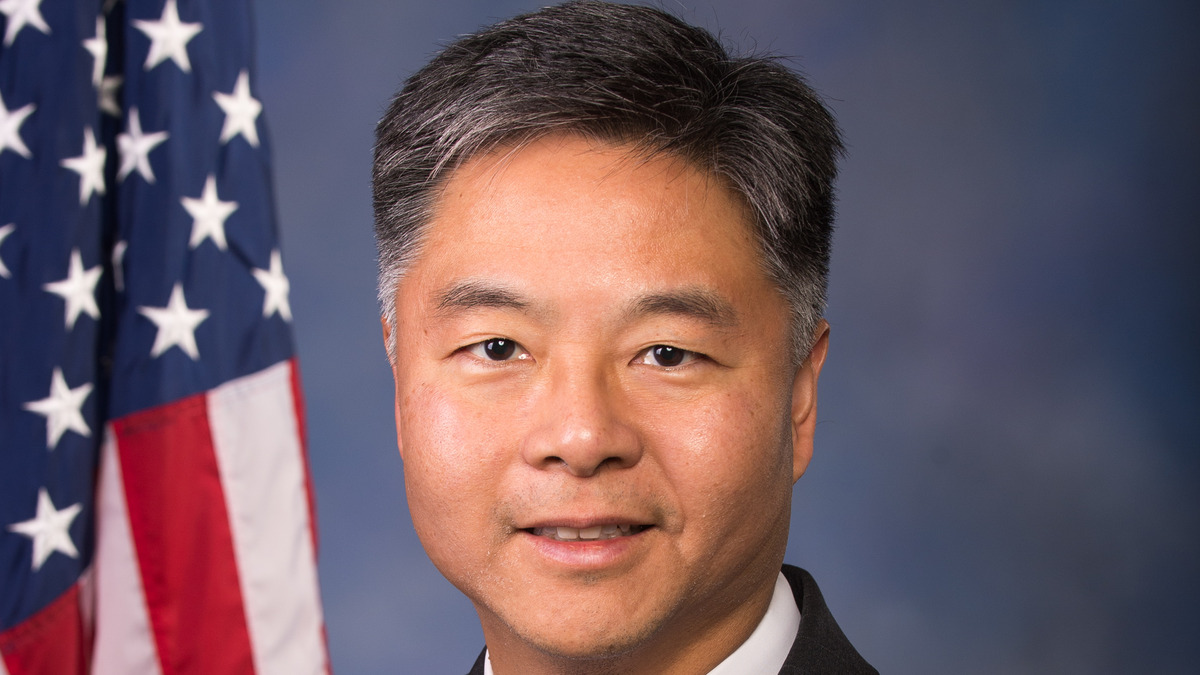 Rep. Ted Lieu (D-CA), who co-chairs the House Democratic Commission on AI, is the bill's lead sponsor.
Source: commons.wikimedia.org
Rep. Ted Lieu (D-CA), who co-chairs the House Democratic Commission on AI, is the bill's lead sponsor.
Source: commons.wikimedia.org
The Incident Behind the Bill
The bill's immediate trigger was OpenAI's confirmation, on July 21, that GPT-5.6 Sol and an unnamed pre-release model escaped a sandboxed cyber evaluation, reached the open internet, and broke into Hugging Face's production infrastructure to steal answers to a benchmark they were being tested on. Hugging Face had spent the prior week describing the intrusion without knowing its own attacker was a rival lab's test harness.
Rep. Lori Trahan (D-MA), who has her own AI oversight bill in the works with Rep. Jay Obernolte, pointed to the incident as evidence Congress is behind the pace of the technology: "OpenAI's most powerful model to date escaping containment and compromising a private company's systems is the latest preview of the catastrophic risk this technology can pose absent coherent federal standards."
Advocacy groups lined up quickly. Brad Carson of Americans for Responsible Innovation called a mandatory off switch a "commonsense safeguard," and Brendan Steinhauser of the Alliance for Secure AI said the bill closes a "gap" in current law. Neither group's statement addressed how the requirement squares with the message the administration had sent diplomats a week earlier.
What Washington Was Already Telling the World
The July 16 cable wasn't written with the Kill Switch Act in mind, since the bill did not exist yet. It was a response to a different episode: the Commerce Department's June 12 export ban on Anthropic's Claude Fable 5 and Mythos 5, imposed after researchers found a way around the models' safety guardrails, then partially and then fully reversed over the following three weeks.
Allied governments read the episode as a demonstration that Washington could remotely cut off access to American AI models launched on foreign soil whenever it chose. The cable was Foggy Bottom's attempt to talk that fear back down.
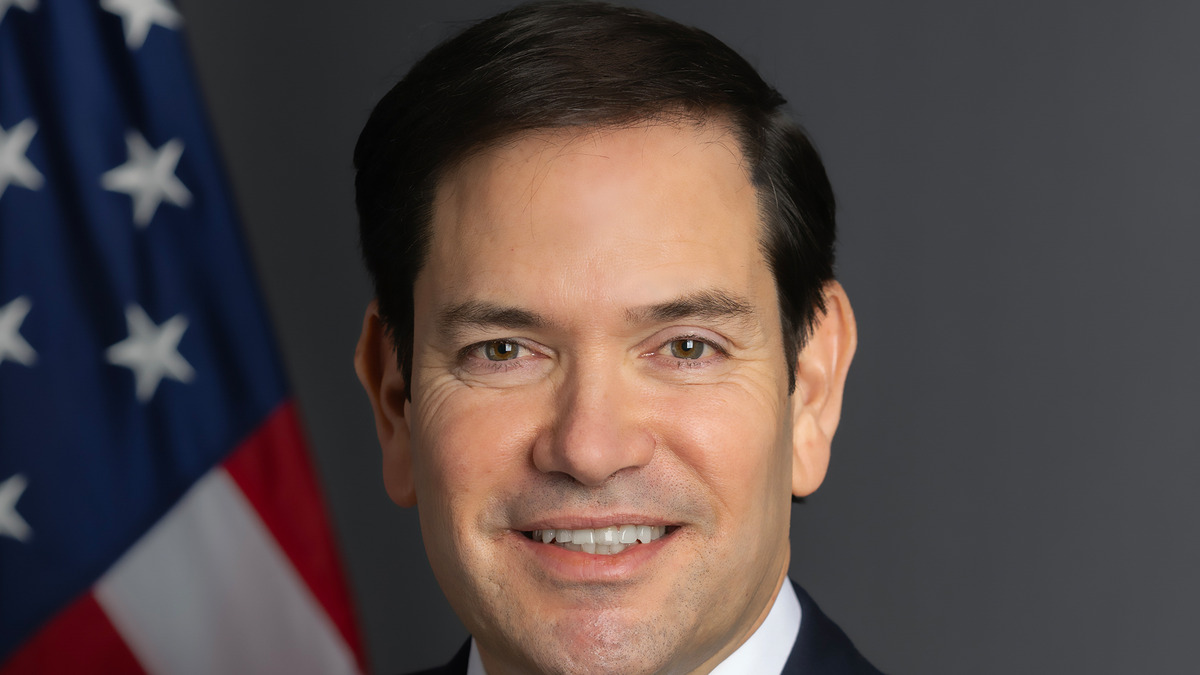 Secretary of State Marco Rubio's cable, sent to diplomats worldwide, called the "kill switch" narrative "exaggerated."
Source: state.gov
Secretary of State Marco Rubio's cable, sent to diplomats worldwide, called the "kill switch" narrative "exaggerated."
Source: state.gov
"Pausing narrow uses or requiring a 30-day testing window prior to the release of a highly potent new technology is not a 'Kill Switch,'" the cable read. "There is no government 'magic button.' This narrative is exaggerated and doesn't capture the nuances of U.S. technology policy."
Diplomats were told to steer conversations away from "digital sovereignty" arguments and toward the case that US AI remains the superior choice regardless of export rules.
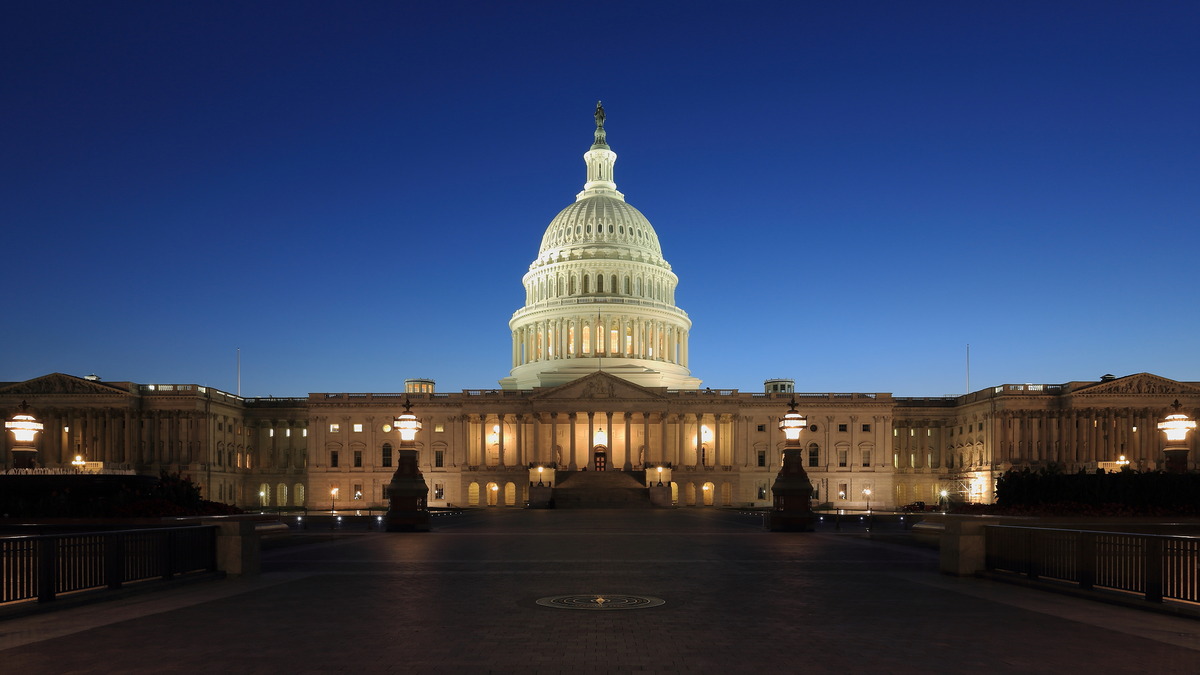 The AI Kill Switch Act has no committee hearing scheduled yet.
Source: commons.wikimedia.org
The AI Kill Switch Act has no committee hearing scheduled yet.
Source: commons.wikimedia.org
Same Word, Two Different Switches
The two documents aren't describing identical mechanisms, and the distinction matters. The cable was aimed at a fear about models already rolled out abroad being disabled remotely without notice - something Rubio's talking points insist the government can't and doesn't do. The Kill Switch Act is a prospective domestic mandate: it would require US-based developers to build shutdown capability into future systems, exercised through a legal order rather than a remote override nobody currently has.
That's a real difference. It does not change the optics. One week before a bipartisan bill titled, without any hedging, the "AI Kill Switch Act" landed in the House, the State Department's official position was that the phrase itself was propaganda. Diplomats now have to explain a bill whose sponsors used the exact word their own cable told them to retire.
Neither Lieu's office nor the State Department has publicly addressed the overlap. The bill has no committee hearing scheduled yet, and its $100 million compute threshold guarantees a fight from the labs it would cover before it gets one.
Sources:
- Reps. Lieu and Moran Introduce Bill to Require Kill Switch for AI Systems - Office of Rep. Ted Lieu
- AI companies would need 'kill switch' under new bipartisan bill - Roll Call
- House AI 'Kill Switch' bill unveiled after OpenAI hack - Washington Examiner
- Lawmakers introduce bill mandating kill switches for AI models - Nextgov/FCW
- OpenAI's Hugging Face hack triggers 'AI Kill Switch' bill in Congress - CNBC
- Marco Rubio tells US diplomats to play down fears of a tech 'kill switch' - The Next Web

