
AI's Debt Wave Hits $570B as Amazon Borrows $17.5B
Morgan Stanley projects $570B in AI-linked global debt issuance for 2026, more than double last year, as Amazon's $17.5B term loan reveals capex now consuming virtually all hyperscaler cash flows.
 6 min read
Hyperscaler capital spending is on pace to consume close to 100% of operating cash flows in 2026 - up from a 40% ten-year average - and the gap is being filled with bonds. Morgan Stanley now projects global AI-linked debt issuance will reach $570 billion by year-end, more than double 2025's total. Amazon confirmed the trend on June 8 with a $17.5 billion term loan signed with Citigroup and a dozen other banks.
TL;DR
- $570B in AI-linked debt projected globally for 2026, nearly double 2025's total, per Morgan Stanley
- $236B already issued through May 31 - four times the pace of the same period last year
- Hyperscaler capex is consuming close to 100% of operating cash flows vs a 40% decade average (UBS data)
- Amazon's June 8 $17.5B term loan takes total company debt past $225B, up 50% year-on-year
- By 2027, Morgan Stanley forecasts hyperscaler capex topping $1 trillion - the debt math gets harder from there
The scale of the shift in the bond market isn't subtle. The five largest AI hyperscalers - Amazon, Alphabet, Meta, Microsoft, and Oracle - collectively sold $121 billion in US corporate bonds during 2025. Their annual average from 2020 to 2024 was $28 billion. The bond market, as Morgan Stanley puts it, is now the primary funding mechanism for the AI buildout.
| Company | 2026 Capex (est.) | Remarkable 2026 Debt or Capital Raise |
|---|---|---|
| Amazon | ~$200B | $17.5B term loan (Jun 8) + C$14B bond; total debt $225B+ |
| Alphabet | $180-190B | $84.75B equity raise (Jun 2); 100-year bond (Feb) |
| Microsoft | ~$80B (run rate) | Part of Big 5 $121B bond issuance in 2025 |
| Meta | ~$65B | Part of Big 5 $121B bond issuance in 2025 |
| Oracle | ~$25B | Part of Big 5 $121B bond issuance in 2025 |
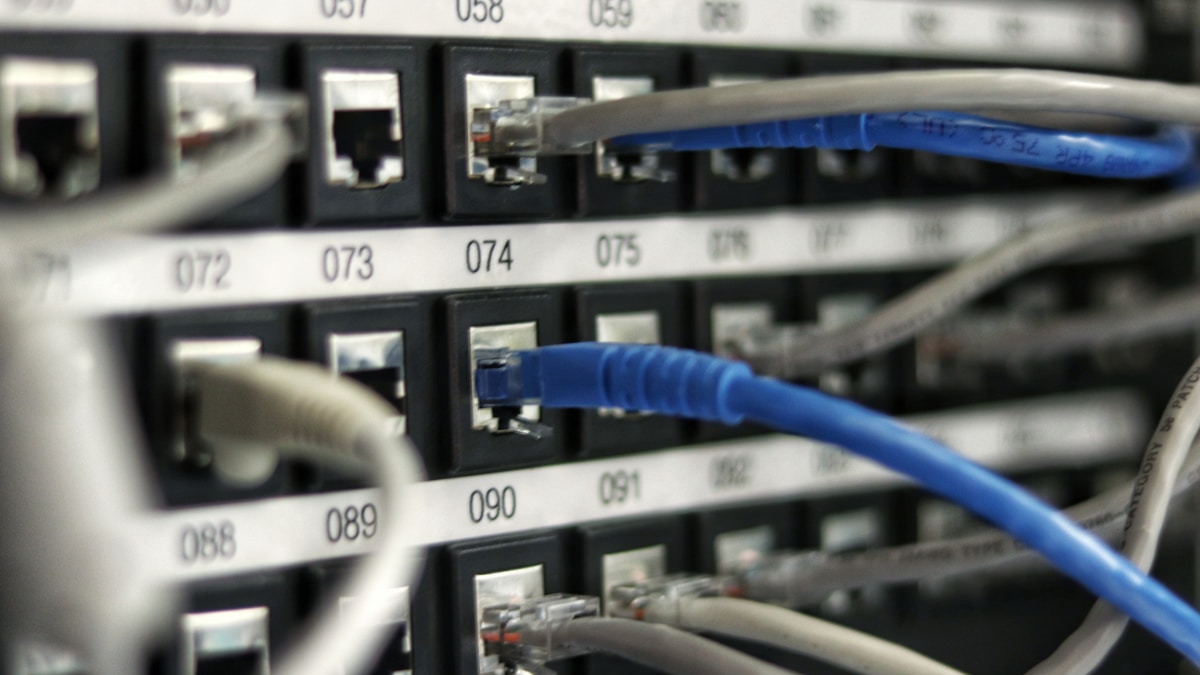 AWS data centers are the primary destination for Amazon's 2026 capex, which CEO Andy Jassy says is "predominantly in AWS."
Source: unsplash.com
AWS data centers are the primary destination for Amazon's 2026 capex, which CEO Andy Jassy says is "predominantly in AWS."
Source: unsplash.com
What the Numbers Say
The Pace Has No Historical Comparison
AI debt became the largest segment of the US investment-grade bond market by October 2025, overtaking US banks. That's a structural shift, not a cyclical one. From January through May 2026, companies raised $236 billion in AI-linked debt globally - roughly four times what they raised in the same five months of 2025.
Morgan Stanley sees acceleration in the second half of the year, driven by data center construction timelines that require capital before revenue appears. The $570 billion full-year projection implies the second half runs faster than the first.
When Cash Isn't Enough
UBS ran the numbers on why this is happening. Hyperscaler capex in 2026 is on pace to consume close to 100% of operating cash flows, versus a 40% average over the prior decade. When you're spending roughly what you earn, borrowing isn't a luxury - it's the only way to sustain the pace.
Amazon's situation is the clearest illustration. The company spent $43.2 billion in Q1 2026 alone, the highest quarterly capex figure in Big Tech. Its total debt crossed $225 billion as of March 31, up 50% from about $150 billion a year earlier. In the past three months it has issued bonds in US dollars, euros, Swiss francs, and Canadian dollars, capping the run with the June 8 term loan.
The Structure of Amazon's Latest Draw
The $17.5 billion facility is a delayed-draw term loan, meaning Amazon doesn't take the cash upfront. It can draw down as needed through September 30, 2026, with each drawn amount carrying a three-year repayment window. Interest is calculated at Amazon's choice of a floating base rate or SOFR plus a margin of 0.625% to 0.875%, depending on credit ratings.
The delayed-draw structure is worth noting. Amazon isn't rushing to park $17.5 billion. It's securing the option to deploy capital on its own schedule - useful when you're committing to multi-year data center construction and want financing locked in before rates shift.
"We've never seen a technology grow as rapidly as AI," Amazon CEO Andy Jassy said on the company's Q1 2026 earnings call. "The capital we're spending and intend to spend this year, it's predominantly in AWS."
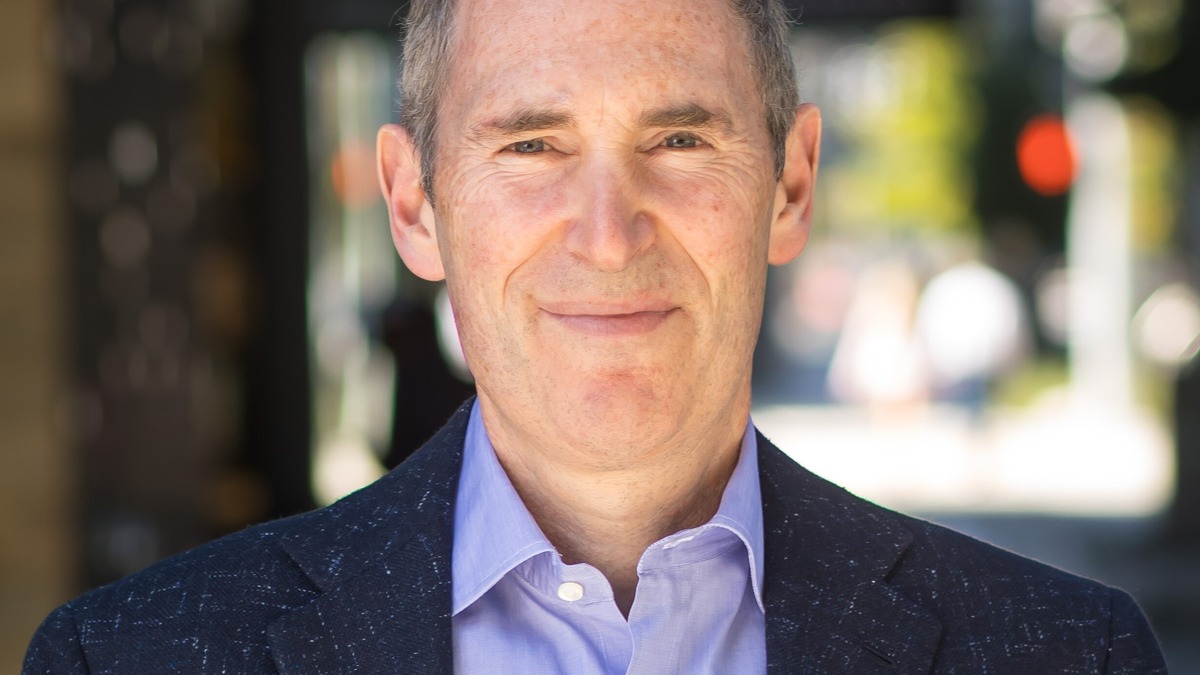 Andy Jassy has staked Amazon's 2026 strategy on AWS AI infrastructure, committing $200B in capital spending.
Source: upload.wikimedia.org
Andy Jassy has staked Amazon's 2026 strategy on AWS AI infrastructure, committing $200B in capital spending.
Source: upload.wikimedia.org
What the Numbers Don't Say
Several things get lost in the headline figures.
First, Morgan Stanley's definition of "AI-linked debt" isn't precise in its public communications. It likely includes issuances from companies whose AI exposure is partial - semiconductor firms, data center REITs, network equipment providers. The hyperscaler total is a subset of the $570 billion, not the whole thing.
Second, the revenue side of the equation isn't visible. Amazon's Bedrock AI platform grew 170% quarter-on-quarter in customer spending, but the absolute revenue number isn't disclosed. That growth rate is compelling; its dollar magnitude relative to the capex commitment is unknown.
Third, Alphabet provides a counterpoint worth tracking. Rather than load the balance sheet with debt, it priced an $84.75 billion equity raise on June 2 - reversing a decade of share buybacks. Two different companies, equally committed to AI infrastructure, chose opposite sides of the capital structure. Alphabet's choice spreads the AI risk to equity holders; Amazon's concentrates it on the debt side.
Fourth, S&P has warned that Amazon will likely post negative free operating cash flow over the next two years. At $200 billion in annual capex against revenue that doesn't right away scale to match, that's not a surprise - it's the plan. But it does mean the credit agencies are watching.
Bridgewater's February analysis of the same capex wave flagged a related concern: the boom now "requires a huge physical component that is growing exponentially and facing many new constraints." The debt financing is what enables that physical build to continue even as cash flows fall short.
The bond market's exposure to AI outcomes has become involuntary for millions of investors. AI debt is now the largest investment-grade sector. Passive bond index funds automatically increased their weighting as issuance volumes rose, which means pension funds and retirement portfolios hold material AI infrastructure exposure whether they chose it or not.
For the hyperscalers, the calculus is clear: borrow cheap, build fast, collect the revenue when it arrives. For bond investors, the question is whether the revenue arrives before the refinancing windows close.
Amazon's $17.5 billion facility commits to a September 2026 draw deadline and three-year maturities per draw. That means the first of these loans comes due in 2028 or 2029. By then, AWS AI revenue will need to have scaled substantially - or Amazon will be refinancing in a market where rates and its own credit picture may look different.
Sources:
- The Next Web - Amazon's $17.5B loan, Citigroup, AI spending
- PYMNTS - Amazon Secures $17.5B Credit Facility Amid AI Infrastructure Race
- Yahoo Finance - Morgan Stanley forecasts AI debt issuance to top $570B in 2026
- TechTimes - Morgan Stanley Sees AI Debt Nearly Doubling to $570 Billion in 2026
- Data Center Dynamics - Amazon capex to hit $200bn in 2026

