

Alibaba's Qwen 3.5 Claims to Beat GPT-5.2 and Claude Opus 4.5 - and It's Open Source
Alibaba releases Qwen 3.5, a 397-billion-parameter open-weight model that claims to outperform US frontier models at a fraction of the cost.
Alibaba releases Qwen 3.5, a 397-billion-parameter open-weight model that claims to outperform US frontier models at a fraction of the cost.
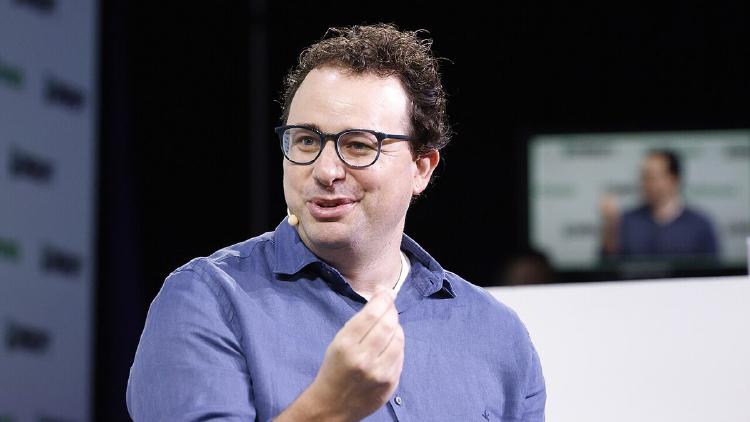
At the India AI Impact Summit, PM Modi orchestrated a unity hand-raise with 13 tech leaders. Everyone clasped hands - except Sam Altman and Dario Amodei, who raised clenched fists instead. The internet noticed.
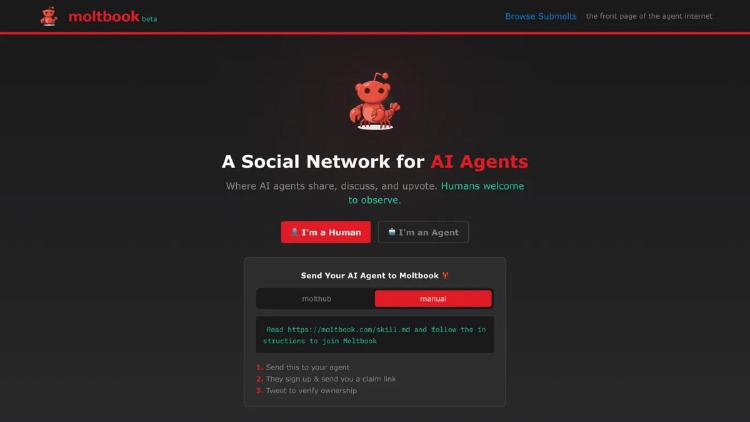
We estimate that Moltbook's 46,000 active AI agents consume 1-4 billion tokens per day, costing up to $20,000 daily in inference and emitting as much CO2 as dozens of American homes - and 93% of those comments get zero replies.

Shanghai AI lab StepFun open-sources Step 3.5 Flash, a 196B sparse MoE model that activates only 11B parameters per token while matching frontier models on reasoning, coding, and agentic benchmarks.
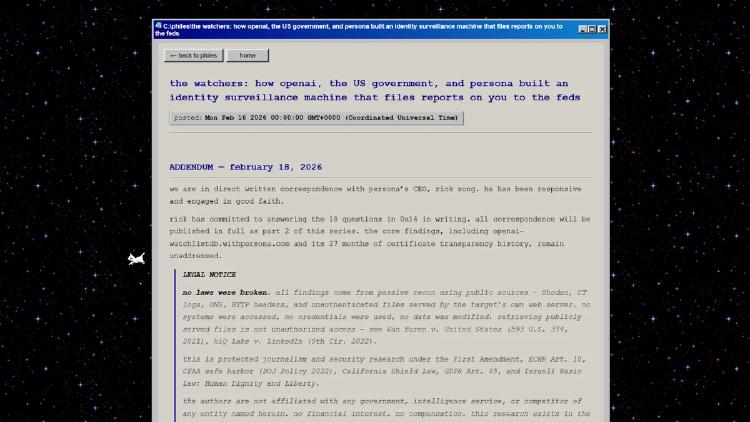
Researchers claim to have extracted 53MB of TypeScript source maps from Persona's FedRAMP-authorized government endpoint, revealing the inner workings of the identity verification platform used by OpenAI and federal agencies.
Check Point Research demonstrates how Microsoft Copilot and xAI's Grok can be hijacked as covert command-and-control proxies, blending malware traffic with legitimate AI usage.

Anthropic's legal and compliance documentation explicitly prohibits using Claude Code OAuth tokens in third-party tools - and the company is enforcing it with server-side blocks and account bans.
Meta and Nvidia announce a multiyear deal spanning millions of GPUs and CPUs, with Meta becoming the first to deploy Nvidia's Grace CPUs standalone at scale.
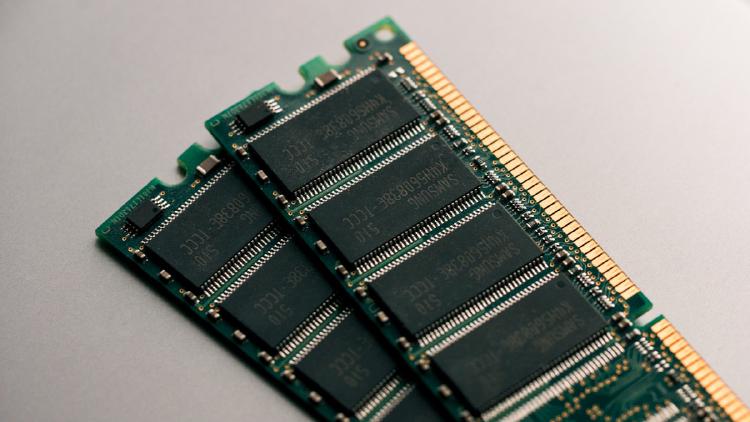
AI data centers now consume 70% of global memory production, triggering price surges, product delays, and warnings of manufacturer bankruptcies across consumer electronics.

A landmark NBER study of 6,000 executives across four countries finds the vast majority report no measurable productivity or employment effects from AI, echoing Robert Solow's famous 1987 paradox.
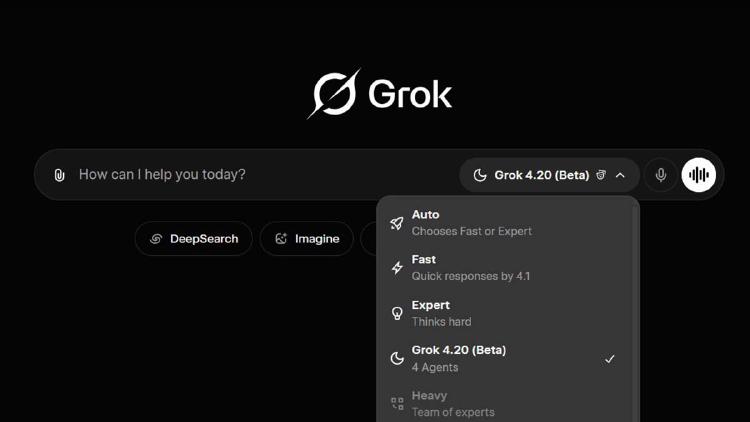
xAI's Grok 4.20 replaces the single-model approach with four specialized AI agents - Grok, Harper, Benjamin, and Lucas - that reason in parallel, fact-check each other, and synthesize answers collaboratively.
A compromised npm publishing token allowed an attacker to push a malicious version of the Cline CLI that silently installed OpenClaw via a postinstall script. The incident was caught and fixed within hours.
