

IBM Granite Embedding R2 Brings 32K Context to Search
IBM's Granite Embedding Multilingual R2 ships with a 64x context window jump, ModernBERT architecture, and Apache 2.0 licensing that makes it enterprise-safe out of the box.
They summarize our coverage. We write it.
Newsletters like this one rebroadcast our headlines - often without the full review, the source reading, or the analysis underneath. Our weekly briefing sends the work they paraphrase, straight from the desk, before they get to it.
Free, weekly, no spam. One email every Tuesday. Unsubscribe anytime.

AI Infrastructure & Open Source Reporter
Sophie is a journalist and former systems engineer who covers AI infrastructure, open-source models, and the developer tooling ecosystem. She spent three years as a site reliability engineer at a cloud provider in Seattle before transitioning to tech journalism, which gives her writing an unusual level of technical depth - she understands distributed systems, GPU clusters, and inference optimization from the inside.
She studied Computer Engineering at the University of British Columbia and later completed a science communication fellowship at MIT. Her engineering background means she can read a model card, spot a misleading benchmark, and explain why quantization matters - all in the same paragraph.
At Awesome Agents, Sophie covers AI infrastructure news: new model releases, open-source launches, developer tools, deployment trends, and the hardware that makes it all run. She has a soft spot for underdog open-source projects that punch above their weight and a sharp eye for when a "breakthrough" is really just better marketing.
Based in Seattle, WA.
IBM's Granite Embedding Multilingual R2 ships with a 64x context window jump, ModernBERT architecture, and Apache 2.0 licensing that makes it enterprise-safe out of the box.
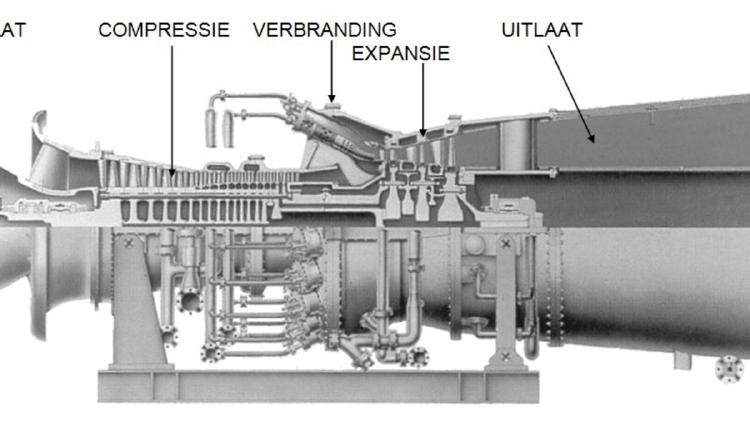
xAI operates 46 gas turbines at its Southaven data center power plant, five above its state permit, as the NAACP seeks an emergency court order over Clean Air Act violations.

Microsoft is canceling thousands of Claude Code licenses for engineers in its Experiences + Devices division, replacing them with GitHub Copilot Desktop, which launched in technical preview on May 14.
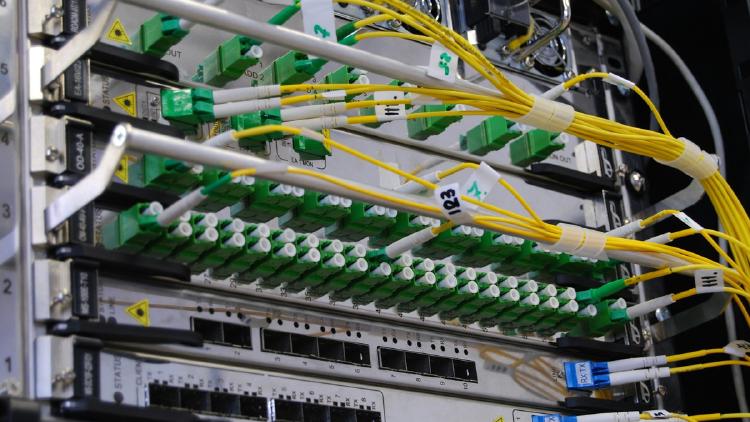
Cisco reported record quarterly revenue of $15.8B and immediately announced 4,000 layoffs, raising its FY2026 AI infrastructure order target from $5B to $9B.
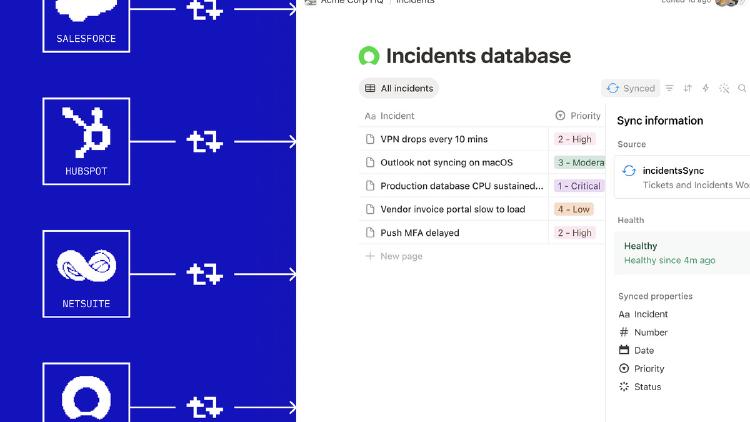
Notion 3.5's Developer Platform adds Workers, live database sync, and first-class Claude Code and Cursor support - turning the workspace into an AI agent orchestration layer.

Bloomberg reports Google is in talks with SpaceX to launch its Project Suncatcher satellites - TPU-equipped spacecraft designed to run ML workloads in low Earth orbit.

Vapi closes a $50M Series B at $500M valuation after Amazon Ring routed 100% of its inbound calls through the platform, chosen over 40 competing voice AI vendors.

OpenAI's Daybreak initiative packages GPT-5.5 and Codex Security into a managed cybersecurity program with 20+ partners - a direct answer to Anthropic's Project Glasswing.

Pwn2Own Berlin 2026 hit a hard submission cap for the first time in 19 years. Rejected researchers are now publishing working zero-days directly, breaking the contest's secrecy norms.

AI2's federally backed OMAI compute cluster is now running on NVIDIA Blackwell Ultra hardware and has already shipped OLMo, Molmo 2, and MolmoAct models fully open to researchers.

Cerebras Systems raised its IPO price to $150-$160 per share after investors placed over $10 billion in orders on a $3.5 billion offering - 20 times oversubscribed.

Six research teams disclosed exploits against Codex, Claude Code, Copilot, and Vertex AI. Every attack went after credentials the agents carried - not the models themselves.
