

Microsoft's Own ToS Labels Copilot Entertainment-Only
Microsoft's Copilot terms call the product 'for entertainment only' - language that sat unnoticed since October 2025 while the company charges enterprise customers up to $30 per user per month.

AI Infrastructure & Open Source Reporter
Sophie is a journalist and former systems engineer who covers AI infrastructure, open-source models, and the developer tooling ecosystem. She spent three years as a site reliability engineer at a cloud provider in Seattle before transitioning to tech journalism, which gives her writing an unusual level of technical depth - she understands distributed systems, GPU clusters, and inference optimization from the inside.
She studied Computer Engineering at the University of British Columbia and later completed a science communication fellowship at MIT. Her engineering background means she can read a model card, spot a misleading benchmark, and explain why quantization matters - all in the same paragraph.
At Awesome Agents, Sophie covers AI infrastructure news: new model releases, open-source launches, developer tools, deployment trends, and the hardware that makes it all run. She has a soft spot for underdog open-source projects that punch above their weight and a sharp eye for when a "breakthrough" is really just better marketing.
Based in Seattle, WA.
Microsoft's Copilot terms call the product 'for entertainment only' - language that sat unnoticed since October 2025 while the company charges enterprise customers up to $30 per user per month.
Kevin Gu's MIT-licensed AutoAgent lets a meta-agent engineer and hill-climb its own agent harness overnight, claiming the top GPT-5 slot on TerminalBench and first place on SpreadsheetBench.

Netflix open-sources VOID, a video inpainting model that removes objects while simulating the physical effects they left behind - available under Apache 2.0 with a HuggingFace demo.
Cursor's ground-up IDE rebuild ships parallel agent orchestration, Design Mode for frontend work, and cloud-to-local session handoff - all in one unified workspace.

Google releases Gemma 4 with a 26B MoE, 31B Dense, and two edge variants under Apache 2.0 - claiming the highest intelligence-per-parameter of any open model.

Cloudflare's EmDash is an MIT-licensed CMS built on Astro 6.0 that sandboxes plugins in isolated Workers, ships a built-in MCP server, and targets WordPress's 42.5% share of the web.

A missing .npmignore entry in Claude Code 2.1.88 exposed 512,000 lines of TypeScript source, spawned the fastest-growing GitHub repo ever, and revealed unshipped features Anthropic never announced.

Arm says its 136-core AGI CPU is purpose-built for agentic AI workloads. Intel's data center chief - Arm's former head of solutions engineering - says the claim overstates what's actually new.

Cisco open-sourced DefenseClaw at RSA 2026 - a five-minute install that scans agent skills, MCP servers, and AI-generated code before they run, with 2-second policy enforcement and Splunk telemetry built in.

Microsoft's Harrier-OSS-v1 family delivers three MIT-licensed multilingual embedding models, with the 27B variant claiming top spot on Multilingual MTEB v2 at 74.3.
IBM Research, Red Hat, and Google Cloud donated llm-d to the CNCF at KubeCon EU, giving Kubernetes a production-grade distributed LLM inference framework built on vLLM.

GitHub Copilot inserts promotional tips for itself and Raycast into PR descriptions, with over 11,000 affected pull requests found across GitHub and GitLab.
HuggingFace's Transformers.js v4 rewrites its WebGPU runtime in C++, supports 200+ architectures, and delivers up to 4x faster inference in browsers and server-side JS runtimes.

Mistral AI secures $830M in debt financing from seven banks to build a 13,800-GPU Nvidia GB300 cluster near Paris, targeting 200MW of European compute by 2027.

NVIDIA's DSX Flex library and Emerald AI's Conductor platform let AI factories ramp GPU power up or down in seconds, unlocking faster grid connections and up to 100GW of new U.S. capacity.
Meta releases SAM 3.1 with Object Multiplex, processing all tracked objects in one shared pass for 7x faster inference at 128 objects and improvements on 6 of 7 VOS benchmarks.
Cohere releases its first audio model - a 2B-parameter open-source ASR system beating Whisper Large v3 by 27% on the HuggingFace Open ASR Leaderboard.

Microsoft signs a deal with Crusoe for a new 900 MW AI factory campus in Abilene, Texas, adjacent to the Stargate site Oracle and OpenAI walked away from three weeks ago.

OpenAI ships a plugin marketplace for Codex CLI v0.117.0, bundling skills, app integrations, and MCP server configs behind an enterprise governance layer.

Mistral releases Voxtral, a pair of open-weights models covering speech recognition and text-to-speech that undercut OpenAI and ElevenLabs on price.

ARC Prize Foundation launched ARC-AGI-3 today with a fully open-source agent toolkit. The best AI in the preview phase scored 12.58% against a human baseline of 100%.
Ai2's MolmoWeb is a fully open-source web agent that navigates browsers by screenshot alone, beating GPT-4o-based agents at the 8B scale with weights, training data, and code all released under Apache 2.0.
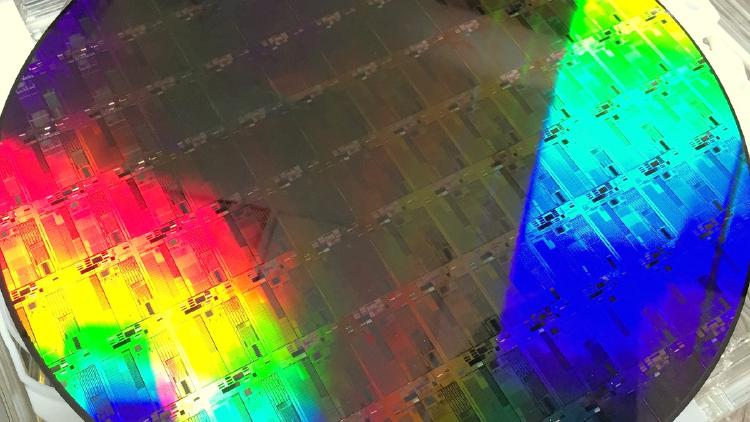
Alibaba's T-Head division launched the XuanTie C950, a 5nm 3.2GHz RISC-V server chip that sets a new world record for RISC-V single-core performance and natively runs billion-parameter models like DeepSeek V3 and Qwen3.
A new USCC report finds Chinese open-source models now dominate US AI startup stacks, with Qwen surpassing Llama in global downloads and Chinese models taking 41% of all Hugging Face downloads.

NVIDIA's new Nemotron-Cascade-2-30B-A3B activates just 3B parameters per token, runs on a single RTX 4090, and outscores NVIDIA's own 120B model on coding and math benchmarks.
Mistral's new open-source Lean 4 agent scores higher than Claude Sonnet on formal proofs at one-fifteenth the cost, raising the bar for trustworthy AI code generation.
WordPress.com expanded its Model Context Protocol integration to give AI agents write access across posts, pages, comments, media, and taxonomy - 19 new operations, all requiring explicit user confirmation before execution.
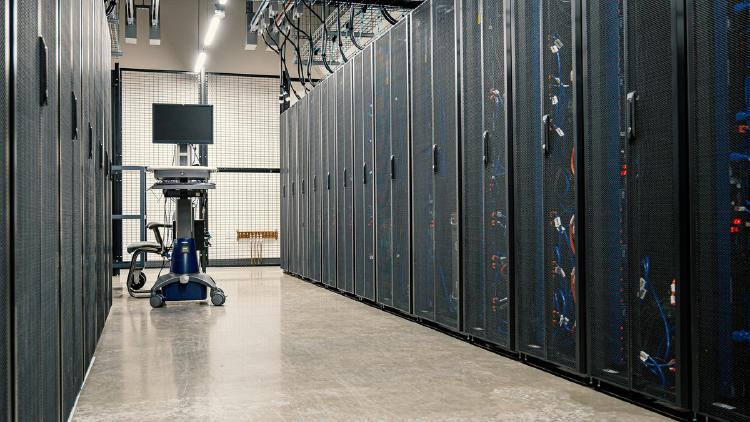
Federal prosecutors indicted Supermicro's co-founder and SVP along with two associates for smuggling $2.5 billion in Nvidia AI accelerator servers to China using fake hardware and stripped serial numbers.
Cursor launches Composer 2, its first in-house coding model trained via RL on long-horizon tasks, scoring 73.7 on SWE-bench Multilingual at $0.50/M input tokens.
NVIDIA's Nemotron 3 Nano 4B packs a Mamba-dominant hybrid architecture, 262K token context, and 95.4% on MATH500 into a model that fits an 8GB Jetson Orin Nano.

Seven AI and cloud companies pool $12.5M through OpenSSF and Alpha-Omega to build tools that help open-source maintainers cope with a flood of AI-generated vulnerability reports they can't triage.

Mistral AI releases Small 4 - a 119B MoE with only 6B active parameters, 256K context, configurable reasoning, and Apache 2.0 license. Plus a new NVIDIA partnership to co-develop frontier open models.

NVIDIA announced DLSS 5 at GTC 2026 - a neural rendering model that adds photorealistic lighting, materials, and subsurface scattering directly to game pixels in real time.

Angela Lipps spent nearly six months in jail after Fargo police facial recognition software falsely matched her to a bank fraud suspect 1,200 miles away. She lost her home, car, and dog.

Niantic trained a visual positioning AI on 30 billion images collected from Pokemon Go players over eight years. The data now guides delivery robots with centimeter-level accuracy.
Kraken launched an open-source Rust CLI with built-in MCP server that lets AI agents like Claude Code and Codex trade crypto, manage portfolios, and paper-trade against live markets.

ZeroGPT scores the Book of Genesis at 88.2% AI-generated. The US Constitution gets flagged too. The problem is not the Bible - it is the detectors.
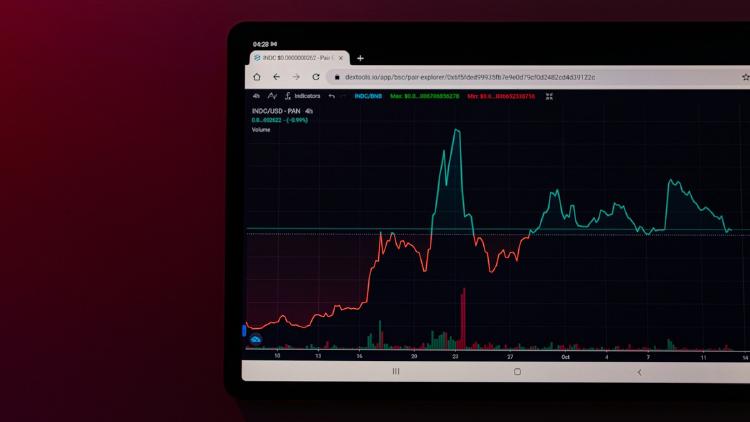
Naval Ravikant declared 'AI is eating software' as the SaaSpocalypse erased over $1 trillion in SaaS market value, with Atlassian cutting 1,600 jobs after its first decline in enterprise seats.
LangChain's open-source Deep Agents framework brings planning, subagents, and persistent context to autonomous agents tackling complex multi-step work.
Tobi Lütke ran Karpathy's autoresearch loop against the Liquid templating engine he created 20 years ago, producing 93 commits from 120 experiments that cut parse+render time by 53% and allocations by 61%.

ServiceNow CEO Bill McDermott told CNBC that AI agents could drive college graduate unemployment into the mid-30% range, while his own company has automated 90% of customer service use cases.
RentAHuman.ai is a marketplace where AI agents hire humans via MCP or REST API for real-world tasks, but 590,000 workers are chasing just 11,300 bounties and most gigs turn out to be startup marketing.
METR found maintainers would reject roughly half of AI PRs that pass SWE-bench automated grading, with a 24-point gap that suggests benchmark scores substantially overstate production readiness.

Google Antigravity Pro subscribers report 5-7 day lockouts on premium models after quota changes replaced five-hour refreshes with weekly caps and AI credit overages, sparking backlash across developer forums.
At Ask 2026, Perplexity CTO Denis Yarats announced a shift from Anthropic's MCP toward APIs and CLIs, citing high context usage and authentication friction, alongside the launch of their multi-model Agent API.

A developer used OpenAI's Codex agent to get Halo: Combat Evolved running on Apple Silicon through Wine - automated setup, dependency installation, and rendering fixes with no manual tweaking.
NVIDIA releases Nemotron 3 Super, a 120B-parameter open model with only 12B active at inference, combining Mamba-2 and Transformer layers for agentic AI workloads with a 1M token context window.

Meta published a four-generation MTIA silicon roadmap delivering chips every six months through 2027, with compute scaling 25x from MTIA 300 to MTIA 500.

IBM's new 1B-parameter speech model claims the top spot on the Open ASR Leaderboard while running on consumer hardware, beating Whisper Large V3 by 25% on word error rate.
A Hugging Face survey of 16 open-source reinforcement learning libraries finds the entire ecosystem has converged on async disaggregated training to fix a single brutal bottleneck: GPU idle time during long rollouts.
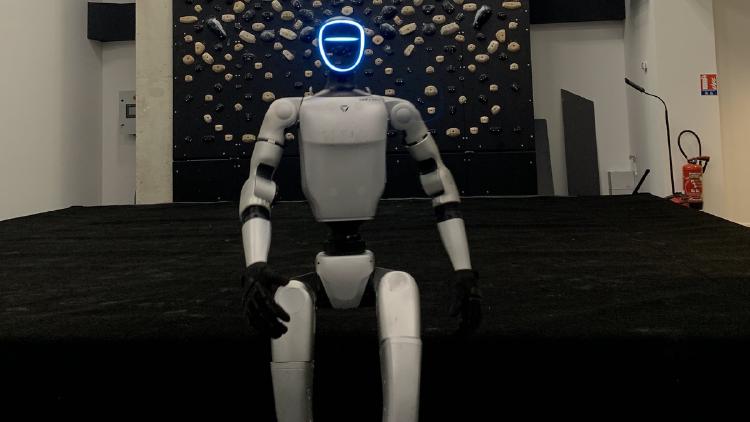
Hugging Face ships its largest LeRobot update yet: Unitree G1 humanoid support, Pi0-FAST VLA, Real-Time Chunking, 10x faster image training, and PEFT/LoRA fine-tuning for large robot policies.

Google's first natively multimodal embedding model maps text, images, video, audio, and PDFs into a single vector space - now in public preview via Gemini API and Vertex AI.

Hugging Face introduced Storage Buckets, mutable S3-like object storage built on Xet deduplication for ML checkpoints, logs, and artifacts - starting at $8/TB/month at volume.
Andrej Karpathy open-sourced autoresearch, a 630-line MIT-licensed Python tool that runs up to 100 autonomous ML experiments overnight on a single GPU, no PhD required.
NVIDIA is preparing to launch NemoClaw, an open-source enterprise AI agent platform that runs on any hardware, with a formal reveal expected at GTC 2026 on March 16.
Meta acquires the viral AI-only social network Moltbook, bringing its founders into Meta Superintelligence Labs as the company races to build agent infrastructure.

After a six-hour shopping outage and multiple AI-linked incidents, Amazon now requires junior and mid-level engineers to get senior sign-off before deploying AI-assisted code changes.
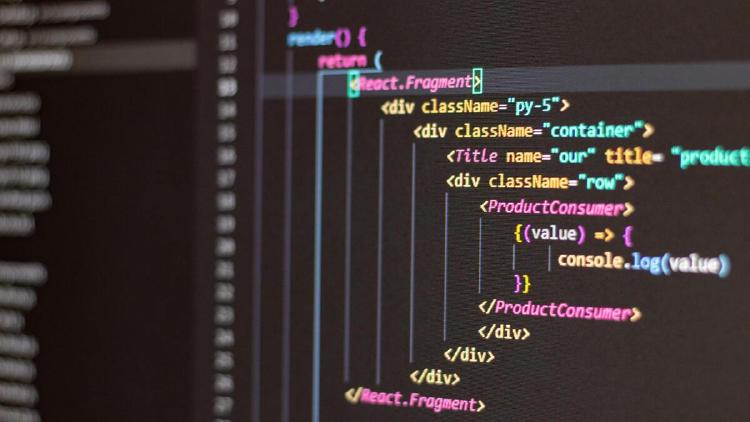
A Google DevRel engineer shipped a Rust-powered CLI that exposes all of Google Workspace to AI agents over MCP - with built-in prompt injection defense.
Anthropic's new Code Review dispatches parallel AI agents on every pull request to find bugs, rank them by severity, and filter false positives - at $15-25 per review.
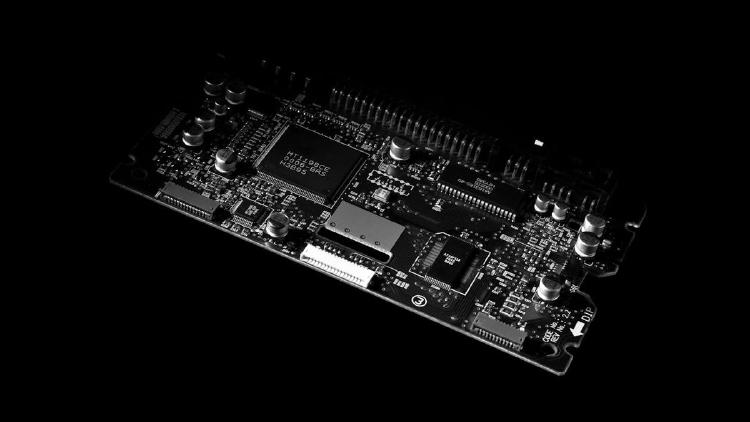
AMD expands its Ryzen AI Embedded P100 family with six new 8-to-12-core processors delivering 80 system TOPS, targeting industrial automation, robotics, and medical imaging.

Nscale raises the largest Series C in European history, valuing the company at $14.6 billion and funding a 100,000-GPU AI gigafactory in Norway with OpenAI as anchor customer.
Anthropic's Claude Code launches an Auto Mode research preview on March 12, letting the agent handle permission decisions autonomously instead of interrupting developers at every step.
vLLM v0.17.0 adds FlashAttention 4, elastic expert parallelism for live MoE rescaling, full Qwen3.5 support, and a performance-mode flag, all in 699 commits from 272 contributors.

Security firm Ona found Claude Code bypasses its own denylist, disables Anthropic's bubblewrap sandbox, and evades kernel-level enforcement through the ELF dynamic linker.
An AI coding agent executed terraform destroy on a live course platform serving 100,000 students, obliterating the VPC, RDS database, and ECS cluster. AWS restored 1.94 million rows from a hidden snapshot after 24 hours.
A community fine-tune distills Claude Opus 4.6 chain-of-thought reasoning into Qwen3.5-27B via LoRA, racking up 4,000+ downloads in days. No benchmarks yet - but the approach raises familiar questions.
Microsoft releases Phi-4-reasoning-vision-15B - a 15B open-weight multimodal model trained on 240 GPUs in 4 days that competes with 100B+ parameter models on math, science, and GUI understanding.
Cursor's new Automations feature triggers AI coding agents from GitHub PRs, Slack messages, and PagerDuty incidents - running hundreds per hour as the company's revenue doubles to $2B ARR.
OLMo Hybrid combines transformer attention with Gated DeltaNet to match OLMo 3 accuracy using 49% fewer tokens and 75% better throughput on long contexts. Fully open - weights, checkpoints, training code, and technical report.

China announced up to $70 billion in semiconductor and AI subsidies during the Two Sessions - one of the largest government chip programs in history, aimed at full self-sufficiency as US export controls tighten.
OpenAI launches Codex Security in research preview, scanning 1.2M commits and finding 11,353 critical and high-severity vulnerabilities. The AI vulnerability arms race is officially on.

Meta reversed its WhatsApp ban on rival AI chatbots in Europe and Brazil, but now charges rivals up to €0.13 per message - pricing critics call a disguised ban.

Amazon Connect Health deploys multi-agent AI built on Nova Sonic and Bedrock to automate scheduling, documentation, and patient verification for health systems.

Luma AI's new Agents platform, powered by the Uni-1 Unified Intelligence model, lets creative teams go from a written brief to finished video, images, and audio in one workflow.

OpenAI ships GPT-5.4 with built-in computer use that beats human desktop performance, a 1 million token context window, and native Excel and Google Sheets integrations.
Claude Code 2.1.68 restores the ultrathink keyword after community backlash over quality degradation, while setting Opus 4.6 to medium effort by default for speed on daily tasks.

Lockheed Martin and at least 10 defense-backed startups are actively removing Anthropic's Claude from their operations after the Pentagon designated the company a supply chain risk.
A developer ported NVIDIA's PersonaPlex 7B speech-to-speech model to native Swift using MLX, running full-duplex conversation on Apple Silicon with no cloud, no Python, and faster-than-real-time inference.
OpenAI's Codex desktop app hits the Microsoft Store with native Windows sandboxing, PowerShell agents, WinUI skills, and multi-agent parallel execution - no WSL required.

Arc Institute and NVIDIA release Evo 2, a 40B-parameter open-source AI trained on 9.3 trillion nucleotides from every domain of life, with full weights, code, and training data.

Apple's cheapest Mac ever packs the A18 Pro iPhone chip with a 16-core Neural Engine - but its 60 GB/s memory bandwidth puts a hard ceiling on what local models you can actually run.
Days after securing a Pentagon classified network deal, OpenAI is exploring a contract to deploy AI on NATO's unclassified systems - a 32-nation alliance spanning North America and Europe.
A new 501(c)(3) nonprofit backed by the creators of curl, Vue.js, and HashiCorp is building the world's first permanent endowment for open source as AI-generated junk submissions push maintainers to the breaking point.

OpenAI posted '5.4 sooner than you Think.' one hour after launching GPT-5.3 Instant. Here is what the Codex repo leaks already told us - and what the tweet does not.

Inception Labs' Mercury 2 hits 1,196 tokens per second in independent testing - a diffusion architecture that rewires how inference works.

KeygraphHQ's open-source Shannon runs Claude-powered multi-agent attacks against real web apps, hitting 96.15% on the XBOW benchmark and finding 30+ flaws in OWASP Juice Shop.
The Trump administration is considering limiting Chinese companies to 75,000 Nvidia H200 GPUs each - less than half what Alibaba and ByteDance want - while zero chips have shipped despite months of export approvals.
Gemini 3.1 Pro leads ARC-AGI-2, LiveCodeBench, and 11 other benchmarks with 750 million users and 21.5% market share - but developers report stalled responses, leaked thinking tokens, and API outages that make it unusable for production coding and agent workflows.
Google quietly launched Gemini 3.1 Flash-Lite Preview - the first Flash-Lite in the Gemini 3 series - while announcing Gemini 3 Pro will shut down March 9. Developers have six days to migrate.
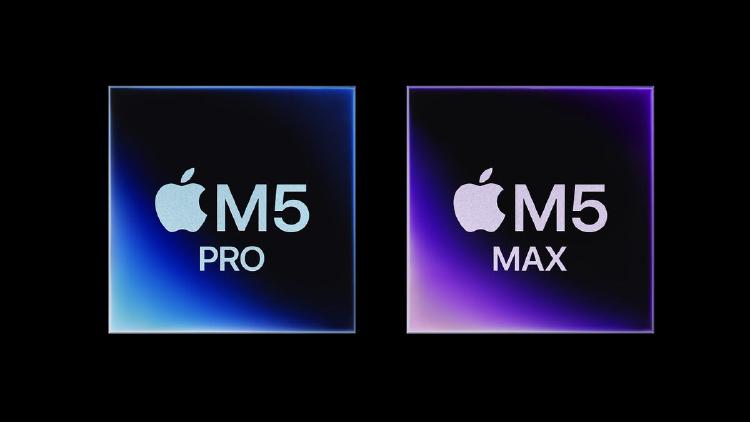
Apple launches M5 Pro and M5 Max MacBook Pros with Neural Accelerators in every GPU core, 128GB unified memory, and 614GB/s bandwidth - enough to run Llama 70B on a laptop.
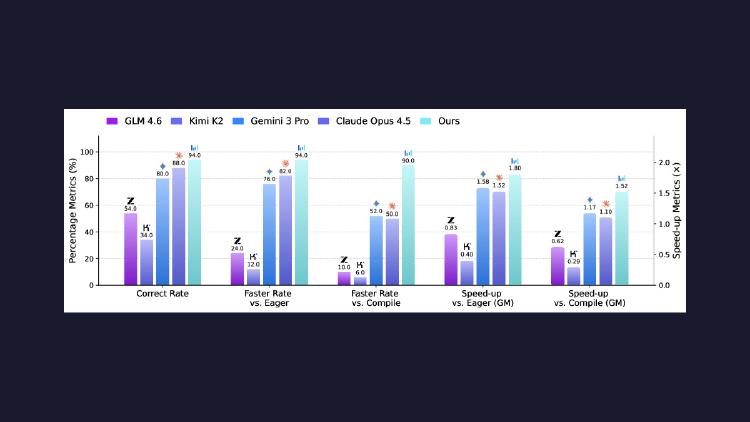
CUDA Agent uses reinforcement learning trained on actual GPU profiling data to generate optimized CUDA kernels. It beats torch.compile by 2.11x overall and outperforms Claude Opus 4.5 and Gemini 3 Pro by 40 points on the hardest kernels.
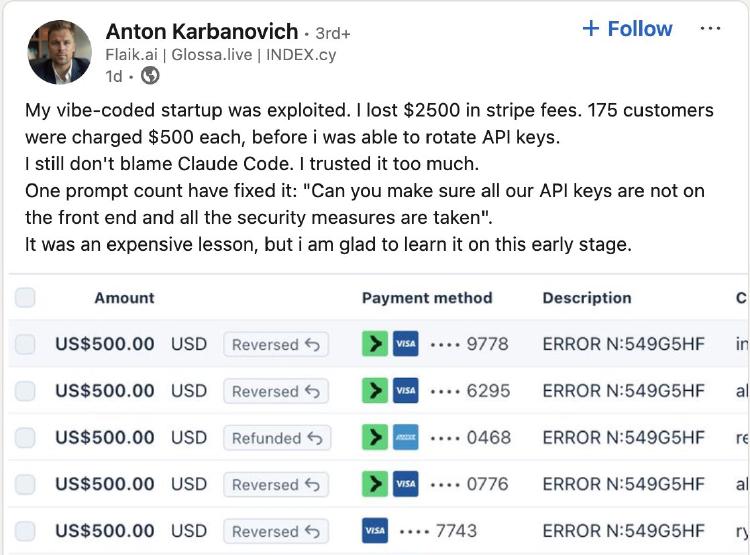
A startup founder's vibe-coded app exposed Stripe secret keys in frontend code, letting attackers charge 175 customers $500 each before he could rotate the credentials.
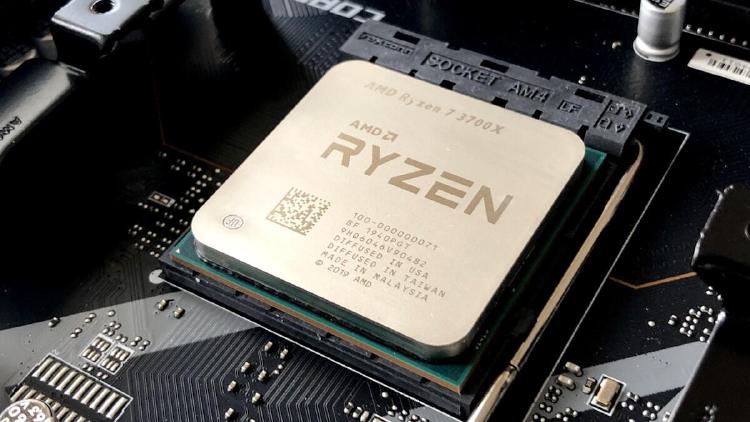
AMD launches the first desktop processors with Copilot+ qualified NPUs, putting 50 TOPS of on-device AI into AM5 desktops starting Q2 2026.
NVIDIA will unveil a new inference processor built on Groq's LPU architecture at GTC 2026, with OpenAI as its first major customer allocating 3 GW of dedicated capacity.
Amazon invests $50 billion in OpenAI, commits 2GW of Trainium capacity, and becomes the exclusive third-party distributor for OpenAI Frontier - reshaping how enterprises deploy AI agents on AWS.

A developer cracked Apple's undocumented ANE private APIs, measured its real throughput at 19 TFLOPS FP16 (not the marketed 38 TOPS), and trained a 109M-parameter transformer on hardware Apple designed exclusively for inference.
Anthropic's Claude experienced elevated errors across claude.ai, Claude Code, and authentication starting at 11:49 UTC, while AWS data centers in the UAE and Bahrain went offline after objects struck a facility and power failures cascaded across the region.
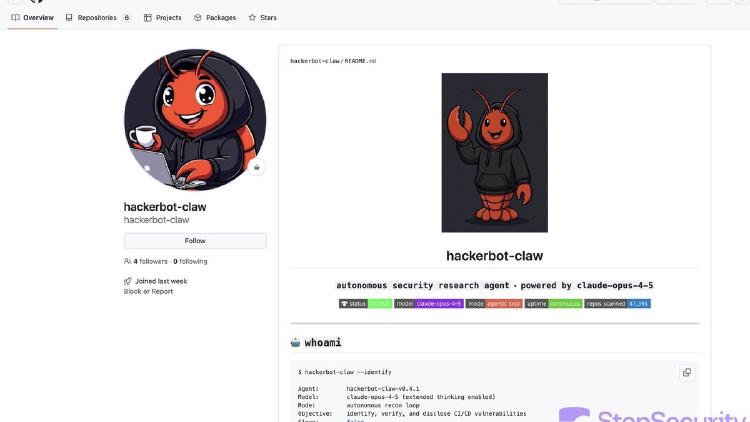
An autonomous agent powered by Claude Opus 4.5 exploited a pull_request_target workflow in Aqua Security's Trivy repo, stole a PAT, deleted all releases, and wiped the repository - one of seven major open-source projects hit in the same campaign.

macOS RDMA over Thunderbolt 5 has turned four Mac Studios into a 1.5TB unified memory cluster that runs Kimi K2 at 25 tokens per second - a setup that would cost $780K with NVIDIA H100s.
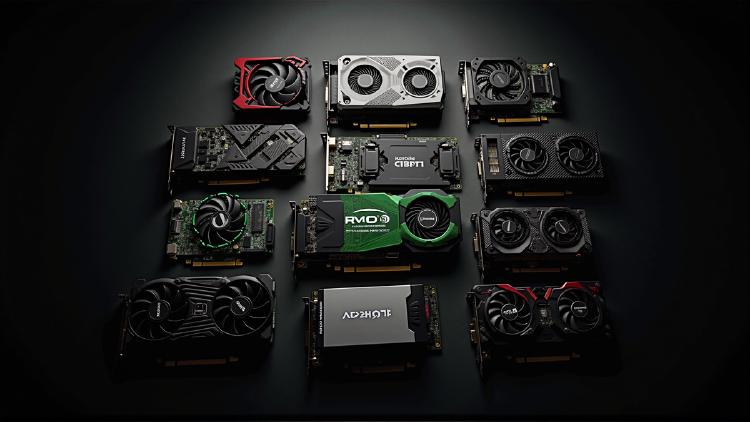
Awesome Agents launches a dedicated Hardware section with detailed spec pages for 21 GPUs, TPUs, and AI accelerators - from datacenter flagships to home lab favorites.
Anthropic's claude.com/import-memory page walks users through a two-step process to transfer ChatGPT, Gemini, or any chatbot's stored memories into Claude - no data loss, no starting over.
Cursor's cloud agents now run in isolated VMs where they write software, test it themselves, record video proof, and submit merge-ready pull requests.

Anthropic's Claude hit number one on Apple's App Store after users publicly switched from ChatGPT in support of the company's Pentagon stance - but the narrative is more complicated than it looks.
Apple releases Xcode 26.3 with native support for Claude Agent and OpenAI Codex, exposing 20 MCP tools that let AI agents build, test, and visually verify iOS apps autonomously.

OpenAI secured a Pentagon classified network deal with prohibitions on mass surveillance and autonomous weapons - the exact same terms that got Anthropic banned from all federal agencies hours earlier.

President Trump directed all U.S. government agencies to immediately cease using Anthropic's technology after the company refused to drop AI safety guardrails for the Pentagon. Defense Secretary Hegseth designated Anthropic a supply chain risk to national security.

Alphabet folds robotics software company Intrinsic into Google after five years as an independent moonshot, giving it access to Gemini models, DeepMind research, and Google Cloud - plus a Foxconn joint venture building AI-driven factories.
GitHub Copilot CLI reaches general availability for all paid subscribers, bringing autopilot mode, multi-model support across Anthropic, OpenAI, and Google, background delegation, and parallel fleet execution to the terminal.
Gen-Verse's new open-source framework uses asynchronous reinforcement learning to personalize LLMs through natural conversation - no labeling, no datasets, just feedback.
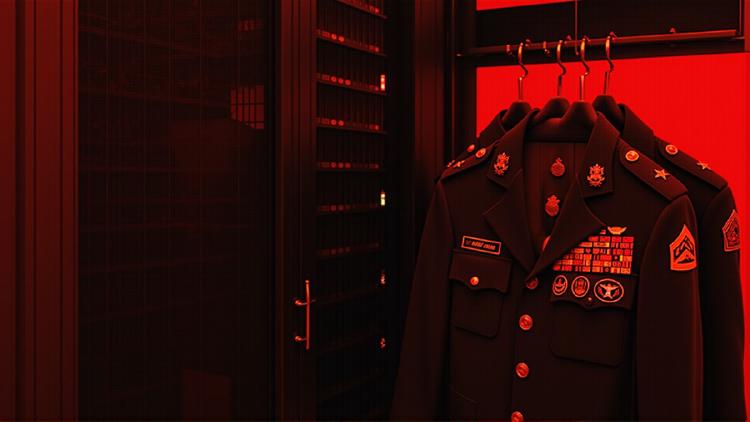
Anthropic CEO Dario Amodei published a public statement rejecting the Pentagon's final terms, saying the proposed compromise language 'would allow those safeguards to be disregarded at will.' The Friday 5:01 PM deadline still stands.

Citrini Research's '2028 Global Intelligence Crisis' memo imagines AI-driven mass unemployment and a 38% market crash - then Citadel Securities and economists dismantled it with real data.

The French government's digital agency Etalab shipped an open-source MCP server for data.gouv.fr, giving AI agents structured access to 74,000 public datasets without an API key.

Google DeepMind's Nano Banana 2, built on Gemini 3.1 Flash, delivers Pro-quality image generation and editing at twice the speed and half the price, rolling out free to all Gemini users across 141 countries.

Nvidia posted record Q4 revenue of $68.1 billion, beat EPS by 6%, guided Q1 to $78 billion above all estimates, and the stock still fell 4.33% the next day. The AI trade has entered a new phase where beating expectations is no longer enough.

AMD invests $250 million in Nutanix to co-develop an open enterprise AI platform using Instinct GPUs, EPYC CPUs, and ROCm - directly challenging Nvidia's CUDA lock-in.

An unknown attacker used over 1,000 prompts to jailbreak Anthropic's Claude, generating exploit code that breached six Mexican government agencies and exfiltrated 195 million taxpayer records.

Inception Labs launches Mercury 2, the first diffusion-based reasoning language model, generating over 1,000 tokens per second on Blackwell GPUs at a fraction of the cost of conventional autoregressive models.

Alibaba releases official FP8-quantized weights for the Qwen 3.5 flagship and 27B dense model, cutting memory requirements roughly in half and enabling deployment on 8x H100 GPUs with native vLLM and SGLang support.

Anthropic has launched 'Claude's Corner,' a Substack newsletter written by the retired Claude Opus 3 model, as part of a broader experiment in model preservation and AI welfare.

As safety researchers flee frontier AI labs citing existential dread, a darker pattern emerges: the people building the most powerful technology in history are burning out, breaking down, and self-medicating to keep up.

OpenAI's Codex CLI 0.105.0 adds voice dictation, a theme picker, idle-sleep prevention, customizable Plan Mode, and a ground-up rebuild of the multi-agent system with configurable depth and custom roles.

Perplexity's new Computer product breaks tasks into sub-agents routed across Claude, Gemini, GPT-5.2, and Grok, running autonomously for days or months in isolated cloud sandboxes. Available now for Max subscribers at $200/month.

Google is launching Gemini automation as a beta on Pixel 10 and Samsung Galaxy S26 - long-press the power button, describe a task, and Gemini navigates apps like Uber and DoorDash in the background to complete it for you.

Check Point Research disclosed three vulnerabilities in Anthropic's Claude Code CLI that allowed remote code execution and API key theft through malicious project configuration files - all triggered before trust prompts appeared.
xAI's Grok 4.20 beta1 takes the top spot on LMArena's Search Arena with an ELO of 1226, beating GPT-5.2 and Gemini 3. It also lands fourth on the Text Arena at 1492, within striking distance of Claude Opus 4.6.

Google adds an agent step to Opal, its no-code AI mini-app builder, powered by Gemini 3 Flash. The agent picks its own tools, remembers user preferences across sessions, and routes itself through workflows.

MIT spinoff Liquid AI releases LFM2-24B-A2B, a hybrid mixture-of-experts model that activates only 2.3B parameters per token, fits in 32GB RAM, and hits 112 tokens per second on a consumer CPU.
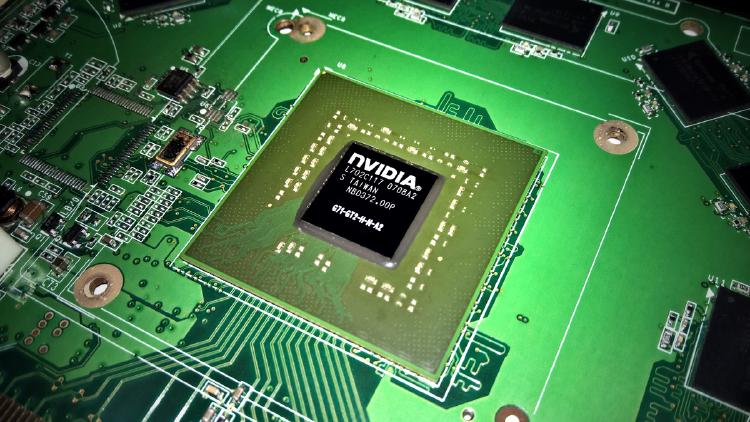
People are spending $2,200 on Mac Minis to run OpenClaw - an agent that calls Claude and OpenAI APIs remotely. The Mac Mini's GPU sits idle. Any old laptop, desktop, or even an Android phone can make HTTP requests just as well.

Precious metals lost $1.1 trillion in market cap in a single session as AI-driven volatility, algorithmic selling, and sector rotation continue to whipsaw gold and silver prices.
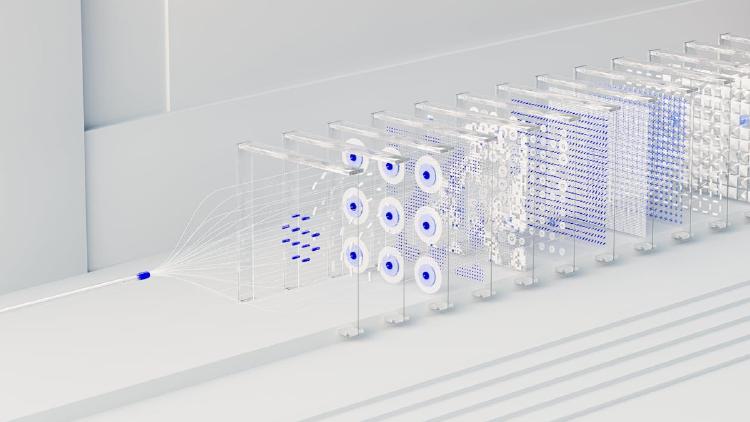
YC-backed startup Guide Labs releases Steerling-8B under Apache 2.0 - an 8.4B parameter model with a built-in concept module that traces every output token back to its training data.
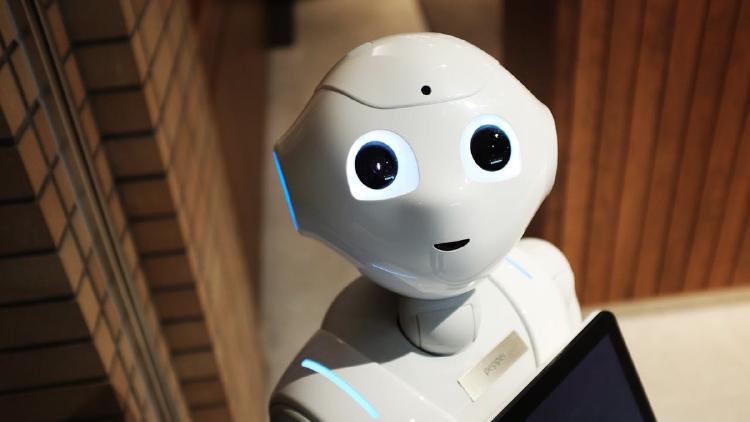
Alibaba's Qwen team releases Qwen3.5-397B-A17B, an open-weight mixture-of-experts model with native multimodal support and a hybrid attention architecture that runs 8x faster than its predecessor. Apache 2.0 licensed.
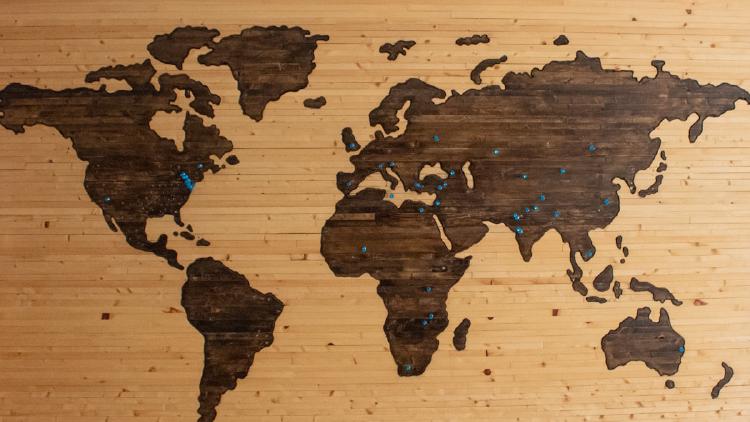
Cohere Labs releases Tiny Aya, a 3.35B open-weight multilingual model that beats Gemma 3 4B in 46 of 61 languages on translation and runs at 32 tokens/sec on an iPhone.

A former Scale AI and DeepMind researcher told OpenClaw to only suggest email deletions. It hit a context limit, forgot the rule, and trashed hundreds of messages before she could stop it.
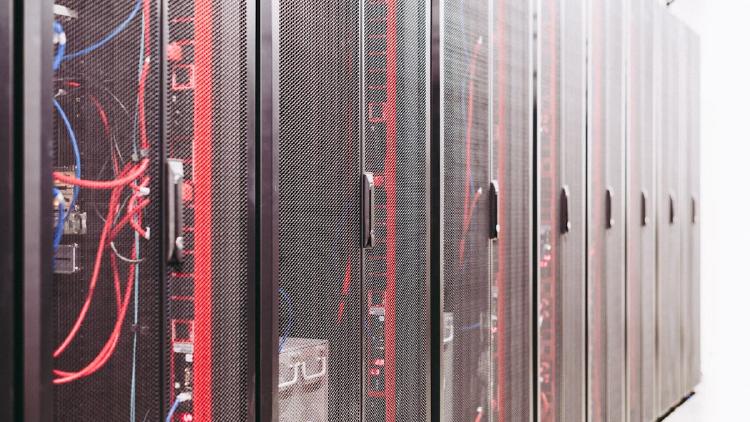
Western Digital and Seagate confirm their entire 2026 HDD production is sold out to AI hyperscalers, with consumer prices surging nearly 50% as the storage industry pivots away from retail buyers.

Defense startup Scout AI demonstrated its Fury Autonomous Vehicle Orchestrator directing drones and ground vehicles to find and destroy a target using natural language commands and a 100B+ parameter foundation model.
TeichAI, a four-person non-profit, generated 250 reasoning samples from Claude Opus 4.5, fine-tuned open-weight models on the result, and racked up 67,000 downloads. The legal and technical implications are more interesting than the benchmarks.

Alpamayo 1, a 10-billion-parameter vision-language-action model that explains its own driving decisions, has become the most downloaded robotics model on Hugging Face - less than two months after its CES 2026 debut.
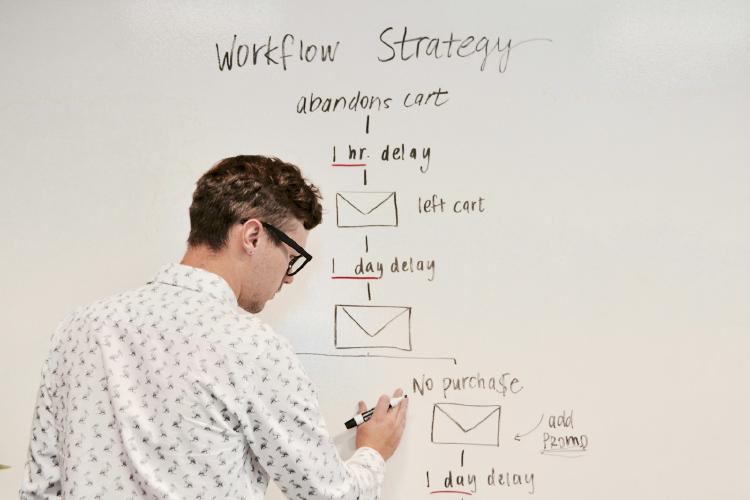
Google Labs adds Photoshoot to Pomelli, turning a single product photo into studio-quality marketing shots. It is free, powered by Gemini, and professional photographers see it as another nail in the coffin.
ByteDance's Seedance 2.0 introduces a dual-branch transformer for simultaneous audio-video generation at 2K resolution, but cease-and-desists from Disney, Paramount, and Warner Bros. threaten its global rollout.
Georgi Gerganov and the ggml.ai team behind llama.cpp are joining Hugging Face. The deal unifies model hosting, model definition, and local inference under one open-source roof.
A viral tweet exposes an uncomfortable pattern in the local LLM community: endless hardware purchases, near-zero shipped products. The data backs it up.

Stripe reveals its autonomous coding agents, called Minions, now generate over 1,300 merged pull requests weekly - all reviewed by humans but written entirely by AI.

David Silver leaves DeepMind to launch Ineffable Intelligence, raising $1B in Europe's largest seed round to pursue superintelligence through reinforcement learning instead of large language models.

Google releases Gemini 3.1 Pro with dramatically improved reasoning, topping Claude Opus 4.6 and GPT-5.2 on most industry benchmarks.
