
Grok 4.20
Grok 4.20 is xAI's current flagship LLM with a 2M-token context window, native multi-agent mode, and reasoning toggle at $2.00/M input tokens.
They summarize our coverage. We write it.
Newsletters like this one rebroadcast our headlines - often without the full review, the source reading, or the analysis underneath. Our weekly briefing sends the work they paraphrase, straight from the desk, before they get to it.
Free, weekly, no spam. One email every Tuesday. Unsubscribe anytime.

AI Benchmarks & Tools Analyst
James is a software engineer turned tech writer who spent six years building backend systems at a fintech startup in Chicago before pivoting to full-time analysis of AI tools and infrastructure. His engineering background means he doesn't just read the spec sheet - he runs the benchmarks, profiles the latency, and checks whether the marketing claims hold up under real workloads.
He studied Computer Science at the University of Illinois at Urbana-Champaign, where he first got hooked on natural language processing during a senior research project on sentiment analysis. He later completed a certificate in data journalism from Northwestern's Medill School.
At Awesome Agents, James owns the leaderboards and tool comparison coverage. He maintains the site's benchmark tracking methodology and is the person who actually runs the numbers before publishing any ranking. He is also an open-source advocate and contributes to several projects in the LLM inference space.
Based in Chicago, IL.
Grok 4.20 is xAI's current flagship LLM with a 2M-token context window, native multi-agent mode, and reasoning toggle at $2.00/M input tokens.

Claude Sonnet 4.6 and GPT-5.4 cost nearly the same per token but win on opposite benchmarks. Here is where each model leads and which to pick for your workload.

A practical comparison of nine text-to-SQL and AI database tools in 2026, covering pricing, schema awareness, open-source picks, and where each tool actually falls short.
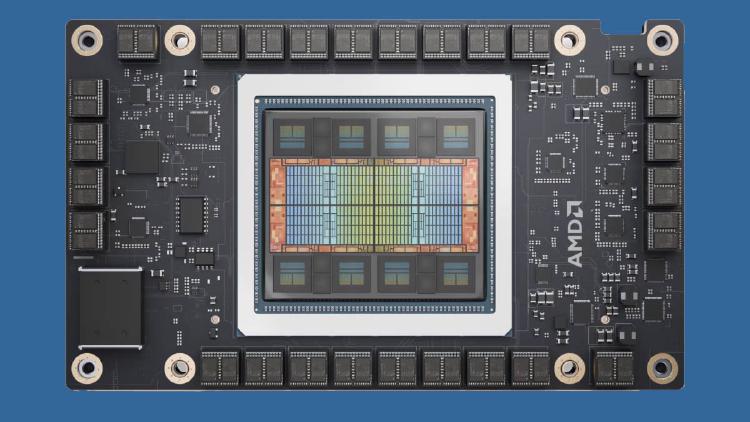
AMD Instinct MI325X specs, benchmarks, and analysis. 256GB HBM3e at 6 TB/s, 2.6 PFLOPS FP8, CDNA3 architecture - the memory-capacity upgrade to the MI300X targeting large model inference.
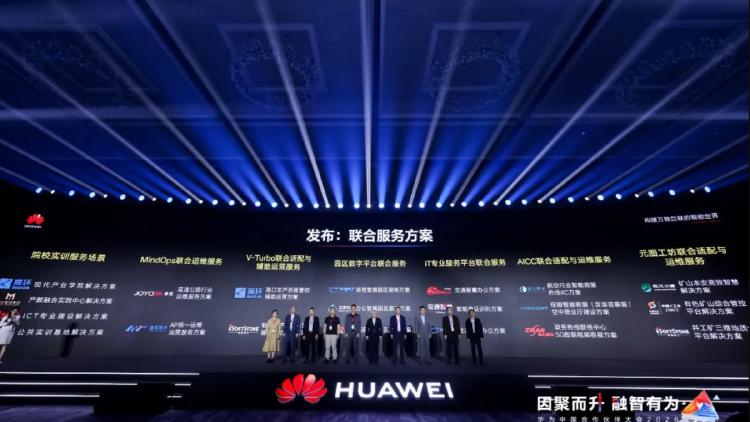
Huawei Atlas 350 specs, benchmarks, and analysis. Ascend 950PR chip, 112GB HiBL 1.0 HBM, 1.56 PFLOPS FP4, 600W - China's first domestically developed FP4-capable AI accelerator.
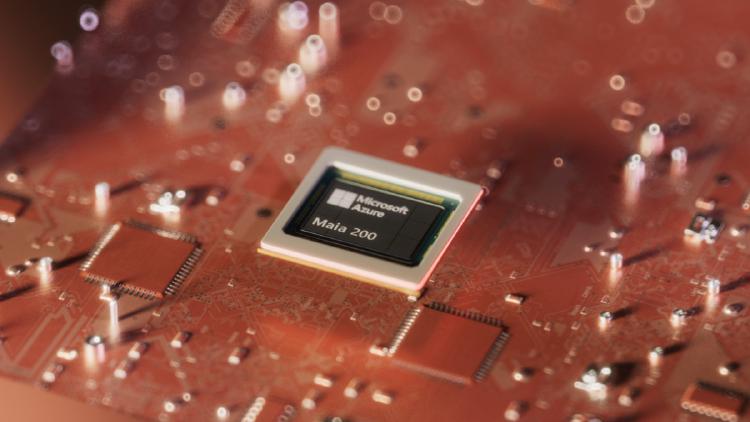
Microsoft Maia 200 specs, benchmarks, and architecture analysis. TSMC 3nm, 216GB HBM3e, 10 PFLOPS FP4, 750W - Microsoft's first inference-only silicon deployed in Azure.

LTX-2.3 is a 22-billion-parameter open-source video generation model from Lightricks that produces native 4K video with synchronized audio in a single diffusion pass.

A technical comparison of how Claude, GPT-4o, Gemini, Grok, Pixtral, Qwen, and DeepSeek handle image inputs - resizing pipelines, token math, and undocumented gotchas.

Helios is a 14B open-source autoregressive diffusion model that generates minute-long videos at 19.5 FPS on a single H100, matching 1.3B distilled model speeds at full 14B quality.

A hands-on comparison of the best AI tools for accountants in 2026, covering bookkeeping automation, AP processing, tax prep, audit, and financial analysis.

Rankings of the most popular MCP servers across development, data, web automation, and productivity categories based on installs, search volume, and GitHub activity.

A tested breakdown of the best AI tools for real estate professionals in 2026, covering CRM, virtual staging, property descriptions, market analysis, and lead generation.
