
AI Music Generation Leaderboard 2026: Suno, Udio, More
Ranked benchmarks for AI music generation tools covering FAD, CLAP, MOS listening tests, and MusicCaps evaluation - text-to-music, lyric-to-song, and stem remixing.
They summarize our coverage. We write it.
Newsletters like this one rebroadcast our headlines - often without the full review, the source reading, or the analysis underneath. Our weekly briefing sends the work they paraphrase, straight from the desk, before they get to it.
Free, weekly, no spam. One email every Tuesday. Unsubscribe anytime.

AI Benchmarks & Tools Analyst
James is a software engineer turned tech writer who spent six years building backend systems at a fintech startup in Chicago before pivoting to full-time analysis of AI tools and infrastructure. His engineering background means he doesn't just read the spec sheet - he runs the benchmarks, profiles the latency, and checks whether the marketing claims hold up under real workloads.
He studied Computer Science at the University of Illinois at Urbana-Champaign, where he first got hooked on natural language processing during a senior research project on sentiment analysis. He later completed a certificate in data journalism from Northwestern's Medill School.
At Awesome Agents, James owns the leaderboards and tool comparison coverage. He maintains the site's benchmark tracking methodology and is the person who actually runs the numbers before publishing any ranking. He is also an open-source advocate and contributes to several projects in the LLM inference space.
Based in Chicago, IL.
Ranked benchmarks for AI music generation tools covering FAD, CLAP, MOS listening tests, and MusicCaps evaluation - text-to-music, lyric-to-song, and stem remixing.

A ranked comparison of AI tools that generate static image avatars - professional headshots, profile pictures, and stylized portraits - covering identity preservation, pricing, and privacy risks.
A practical guide to 30+ active AI benchmarks - what each one tests, who publishes it, how to read the scores, and where it breaks down. Organized by capability.
Compare the best AI deep research tools of 2026 - OpenAI, Claude, Perplexity, Gemini, Grok, Exa, Elicit, and more. Pricing, accuracy, and which to pick.
The definitive 2026 comparison of AI design tools - UI/UX, brand systems, presentations, logo generation, 3D assets, and code-gen UI builders. Covers ~25 tools with pricing and honest limits.

A ranked comparison of AI ecommerce tools for search, personalization, pricing, and product discovery - with honest verdicts on what actually moves conversion rates.

A ranked comparison of AI tools for finance teams covering FP&A, AP automation, expense management, close acceleration, and treasury - with pricing, real gotchas, and honest verdicts.

A ranked comparison of AI grammar, spelling, and style checkers in 2026 - false-positive rates, language coverage, enterprise privacy, and price per user at scale.
A ranked comparison of AI HR tools for recruiting, sourcing, interviewing, onboarding, and performance - with pricing, EEOC considerations, and honest gotchas for each platform.
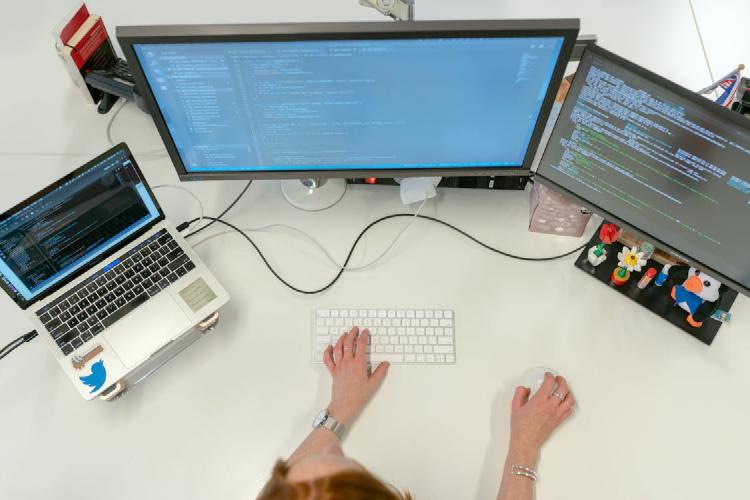
The definitive 2026 comparison of AI image editing tools - inpainting, outpainting, object removal, generative fill, upscaling, and retouching. Tested across 13 tools.
Ranked comparison of AI-powered enterprise knowledge management and search tools - Glean, Guru, Notion AI, Atlassian Rovo, Onyx, and more.

A ranked, no-spin comparison of 20+ AI marketing tools across ad creative, paid media, SEO content, lifecycle email, and personalization - with real pricing, honest gotchas, and who each tool actually fits.
