

Best AI Audio Editing Tools in 2026
A hands-on comparison of the top AI audio editing tools in 2026, covering noise removal, stem separation, mastering, and podcast production.
They summarize our coverage. We write it.
Newsletters like this one rebroadcast our headlines - often without the full review, the source reading, or the analysis underneath. Our weekly briefing sends the work they paraphrase, straight from the desk, before they get to it.
Free, weekly, no spam. One email every Tuesday. Unsubscribe anytime.

AI Benchmarks & Tools Analyst
James is a software engineer turned tech writer who spent six years building backend systems at a fintech startup in Chicago before pivoting to full-time analysis of AI tools and infrastructure. His engineering background means he doesn't just read the spec sheet - he runs the benchmarks, profiles the latency, and checks whether the marketing claims hold up under real workloads.
He studied Computer Science at the University of Illinois at Urbana-Champaign, where he first got hooked on natural language processing during a senior research project on sentiment analysis. He later completed a certificate in data journalism from Northwestern's Medill School.
At Awesome Agents, James owns the leaderboards and tool comparison coverage. He maintains the site's benchmark tracking methodology and is the person who actually runs the numbers before publishing any ranking. He is also an open-source advocate and contributes to several projects in the LLM inference space.
Based in Chicago, IL.
A hands-on comparison of the top AI audio editing tools in 2026, covering noise removal, stem separation, mastering, and podcast production.

Five leading AI drug discovery platforms compared - AlphaFold 3, IsoDDE, Recursion OS, Insilico Pharma.AI, and NVIDIA BioNeMo. Access, capabilities, pricing, and clinical results.

A hands-on comparison of the top AI scheduling and calendar tools in 2026 - Reclaim.ai, Motion, Cal.com, Calendly, and Google Gemini Calendar - with verified pricing and honest picks.
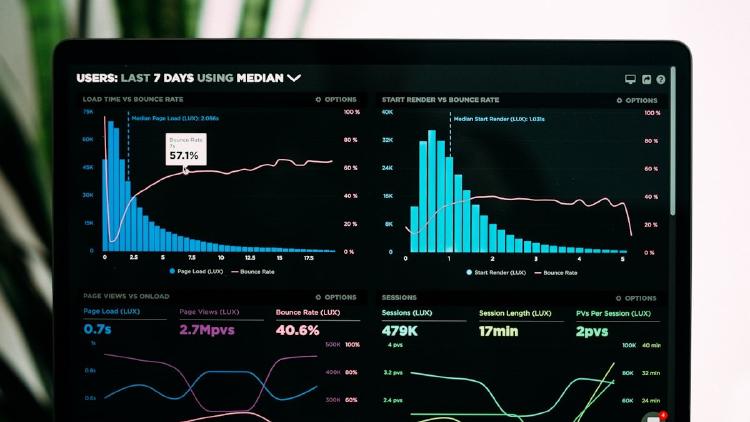
A hands-on comparison of the top AI-powered project management tools in 2026, covering Linear, Asana, Monday.com, ClickUp, Notion, and Jira with verified pricing and feature breakdowns.
A hands-on comparison of the top AI-powered API testing tools in 2026: Postman, Keploy, KushoAI, Apidog, Schemathesis, and Bruno - ranked by test generation quality, pricing, and CI/CD fit.

Five AI clinical documentation platforms compared - Nabla, Suki AI, Corti, Abridge, and Dragon Copilot. Pricing, EHR integrations, and outcomes data for health systems.

Five AI note-taking tools compared on features, pricing, and workflow fit - from meeting recorders to personal knowledge management and local-first vaults.

Five AI procurement platforms compared on capabilities, pricing, and fit - from autonomous supplier negotiation to enterprise spend management suites.

Five AI platforms for scientific R&D compared - from formulation chemistry to materials discovery and literature analysis. Pricing, capabilities, and fit for research teams.

Five AI document processing tools compared on accuracy, pricing, and format support - from enterprise IDP to lightweight PDF parsing APIs.

Hands-on comparison of Elicit, Consensus, Perplexity, SciSpace, Anara, and Semantic Scholar - six AI research assistants with verified pricing, honest strengths, and specific use-case guidance.
Detailed comparison of Harvey AI, Clio Duo, Lexion, Ironclad, and Spellbook - five AI legal tools covering contract analysis, drafting, and review with verified pricing and honest assessments.
