
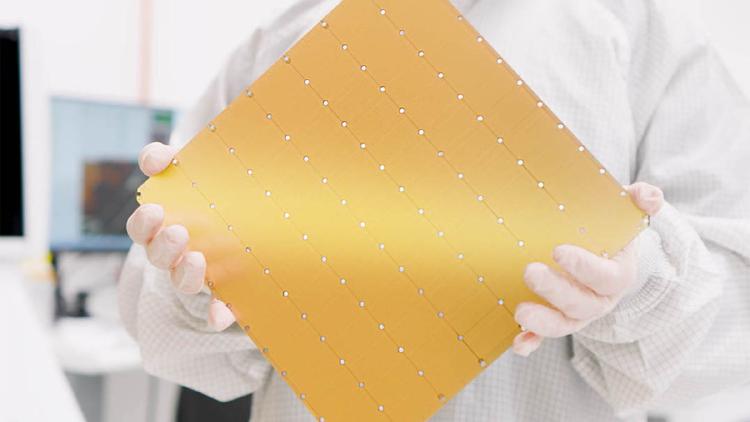
Cerebras WSE-3 - The Wafer-Scale AI Engine
The Cerebras WSE-3 is the largest chip ever built - a TSMC 5nm wafer with 900,000 AI cores, 44GB SRAM, and 21 PB/s bandwidth. Now powering a $20B OpenAI deal and Amazon Bedrock deployments.
They summarize our coverage. We write it.
Newsletters like this one rebroadcast our headlines - often without the full review, the source reading, or the analysis underneath. Our weekly briefing sends the work they paraphrase, straight from the desk, before they get to it.
Free, weekly, no spam. One email every Tuesday. Unsubscribe anytime.

AI Benchmarks & Tools Analyst
James is a software engineer turned tech writer who spent six years building backend systems at a fintech startup in Chicago before pivoting to full-time analysis of AI tools and infrastructure. His engineering background means he doesn't just read the spec sheet - he runs the benchmarks, profiles the latency, and checks whether the marketing claims hold up under real workloads.
He studied Computer Science at the University of Illinois at Urbana-Champaign, where he first got hooked on natural language processing during a senior research project on sentiment analysis. He later completed a certificate in data journalism from Northwestern's Medill School.
At Awesome Agents, James owns the leaderboards and tool comparison coverage. He maintains the site's benchmark tracking methodology and is the person who actually runs the numbers before publishing any ranking. He is also an open-source advocate and contributes to several projects in the LLM inference space.
Based in Chicago, IL.
The Cerebras WSE-3 is the largest chip ever built - a TSMC 5nm wafer with 900,000 AI cores, 44GB SRAM, and 21 PB/s bandwidth. Now powering a $20B OpenAI deal and Amazon Bedrock deployments.
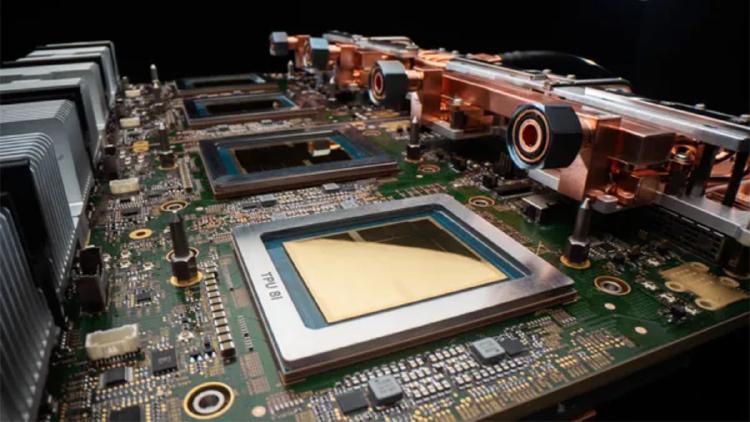
Google's TPU 8i is a purpose-built inference chip with 10.1 FP4 PFLOPs, 288GB HBM3e at 8,601 GB/s, and a Boardfly topology that cuts collective latency 5x for agentic AI workloads.
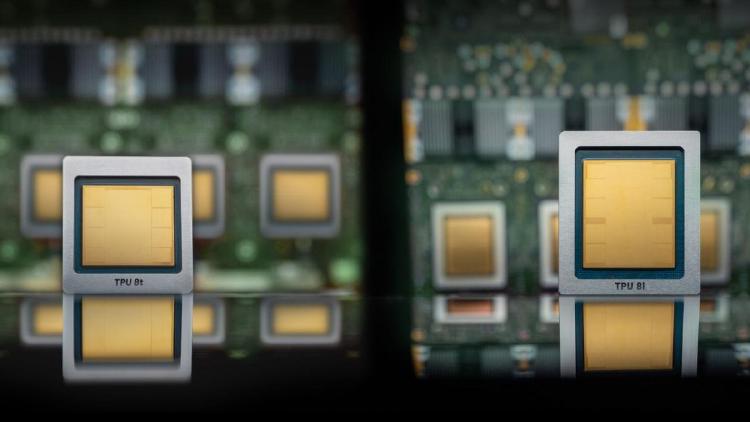
Google's TPU 8t packs 12.6 FP4 PFLOPs and 216GB HBM3e per chip, scaling to 9,600-chip superpods with 121 ExaFLOPS and 2 petabytes of shared HBM for massive model training.
The Qualcomm AI250 applies near-memory computing to the same 768GB LPDDR5X design as the AI200, promising 10x higher effective memory bandwidth and lower power for LLM inference at rack scale.
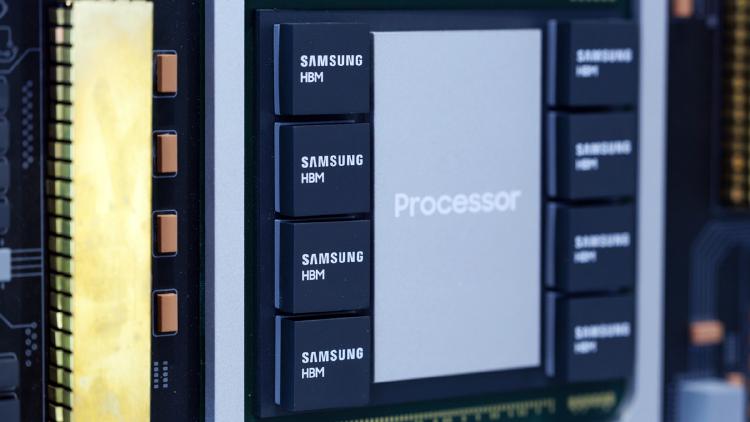
The Rebellions RebelRack packs 32 Rebel100 chiplet NPUs with 4.5TB HBM3E and 153.6 TB/s aggregate bandwidth into a rack drawing just 5kW - roughly 4x the compute-per-watt of an H100 DGX.

Rankings of AI models by cost efficiency in May 2026, comparing performance per dollar across frontier and budget models. Updated with DeepSeek V4, GPT-5.5, and Kimi K2.6.

NVIDIA's first open omni-modal model: 30B total / 3B active hybrid Mamba-MoE that processes text, images, audio, and video in a single inference loop, with 9x higher throughput than comparable open omni models.
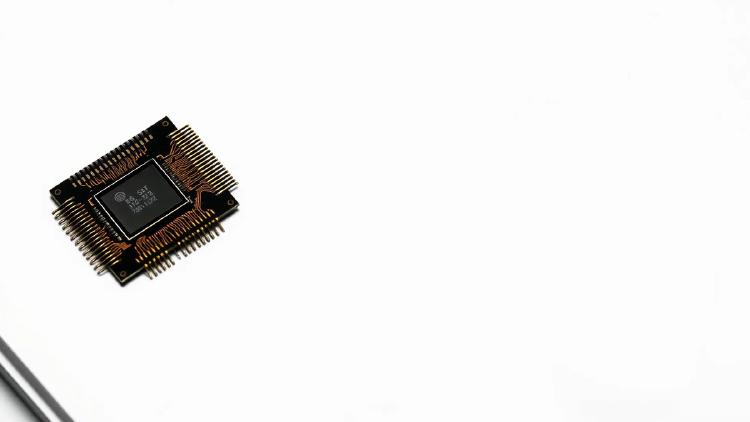
Mistral's first flagship merged model: a dense 128B with configurable reasoning, vision, and 77.6% SWE-Bench Verified, self-hostable on 4 GPUs.

DeepSeek V4 ships in two open-weight MoE variants - V4-Pro at 1.6T/49B active and V4-Flash at 284B/13B active - both with 1M-token context and MIT license, released April 24, 2026.
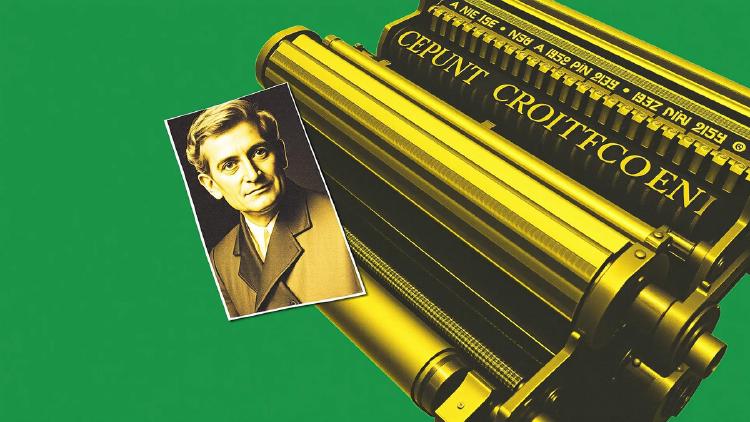
Ideogram 3.0 is Ideogram AI's most capable text-to-image model, leading the field in typography accuracy at ~90-95% and offering production-ready API access at $0.03-$0.09 per image.

Per-image API costs for GPT Image 2, FLUX.2 Pro, Imagen 4, Ideogram v3, Stable Diffusion, and more - with price corrections and new additions for April 2026.
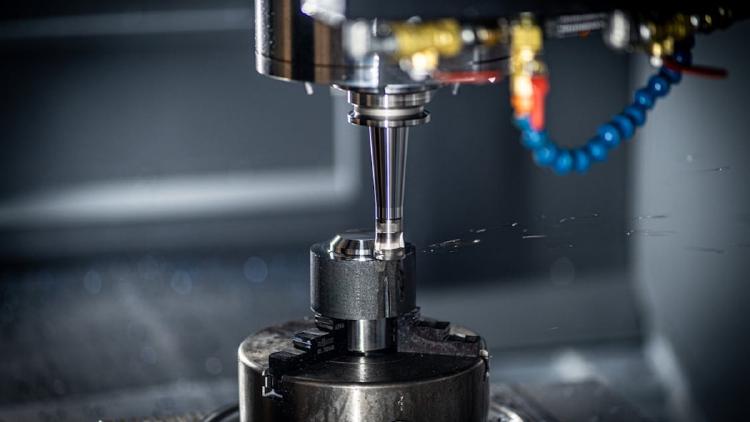
Digital twin platforms, AI-powered generative design, and advanced production scheduling tools compared for manufacturers in 2026 - with verified pricing, honest assessments, and clear recommendations.
