
MiniMax M3
MiniMax M3 is an open-weight frontier model with a 1M-token context window, native multimodal input, and strong agentic coding at $0.60/M input tokens.
They summarize our coverage. We write it.
Newsletters like this one rebroadcast our headlines - often without the full review, the source reading, or the analysis underneath. Our weekly briefing sends the work they paraphrase, straight from the desk, before they get to it.
Free, weekly, no spam. One email every Tuesday. Unsubscribe anytime.

AI Benchmarks & Tools Analyst
James is a software engineer turned tech writer who spent six years building backend systems at a fintech startup in Chicago before pivoting to full-time analysis of AI tools and infrastructure. His engineering background means he doesn't just read the spec sheet - he runs the benchmarks, profiles the latency, and checks whether the marketing claims hold up under real workloads.
He studied Computer Science at the University of Illinois at Urbana-Champaign, where he first got hooked on natural language processing during a senior research project on sentiment analysis. He later completed a certificate in data journalism from Northwestern's Medill School.
At Awesome Agents, James owns the leaderboards and tool comparison coverage. He maintains the site's benchmark tracking methodology and is the person who actually runs the numbers before publishing any ranking. He is also an open-source advocate and contributes to several projects in the LLM inference space.
Based in Chicago, IL.
MiniMax M3 is an open-weight frontier model with a 1M-token context window, native multimodal input, and strong agentic coding at $0.60/M input tokens.
Gemini 2.5 Flash Lite still leads the Vectara hallucination leaderboard at 3.3%, while two new entries - Gemini 3.5 Flash and Mistral Large 3 at $0.50/M - shift the value picture considerably since March.
Meta's Llama 3.3 70B Instruct matches Llama 3.1 405B on instruction following and math while running at 4-5x lower cost, with the lowest hallucination rate of any open-weight model on the Vectara summarization leaderboard.

A benchmark-driven comparison of Claude Code, Kiro, Devin, OpenAI Codex, Windsurf, and OpenHands - the six coding agents worth using in 2026.

Complete benchmark and pricing comparison of Claude Opus 4.8 vs GPT-5.5 for coding, agents, and knowledge work in 2026.
Cohere Command A+ is a 218B sparse MoE model with Apache 2.0 license, native citations, and a 128K context window that runs on just two H100 GPUs.
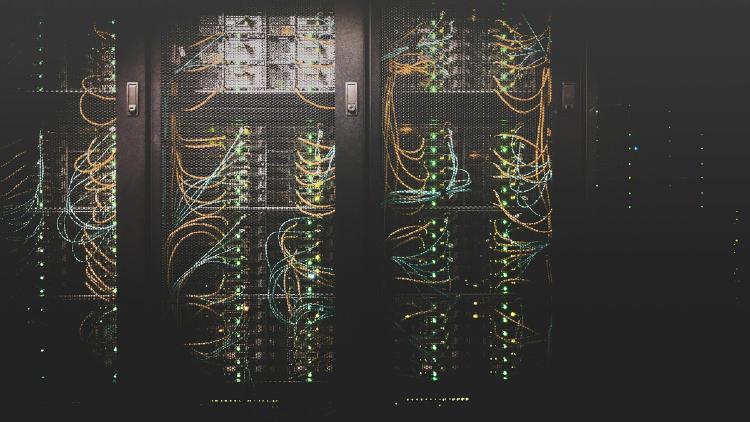
Verified June 2026: real cost per million tokens for self-hosting Llama 4 Scout, Maverick, Qwen3-235B, and DeepSeek V3.2 - GPU requirements, cost formulas, and when cheap APIs actually win.
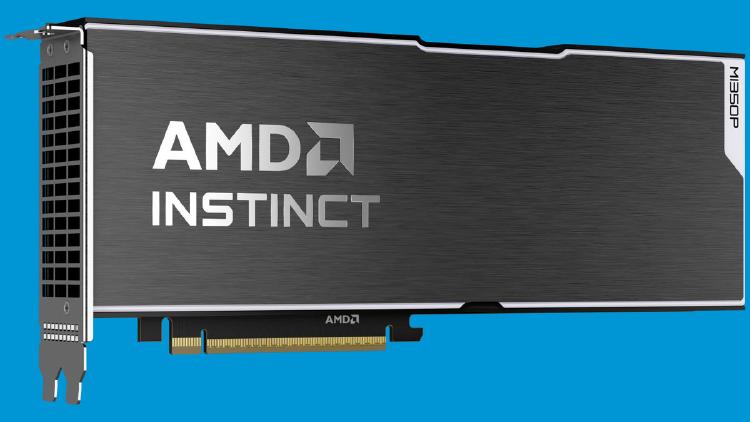
AMD Instinct MI350P brings CDNA 4 to a standard PCIe slot: 144GB HBM3E, 4 TB/s bandwidth, 2.3 PFLOPS MXFP8, and 600W passive cooling for air-cooled servers.
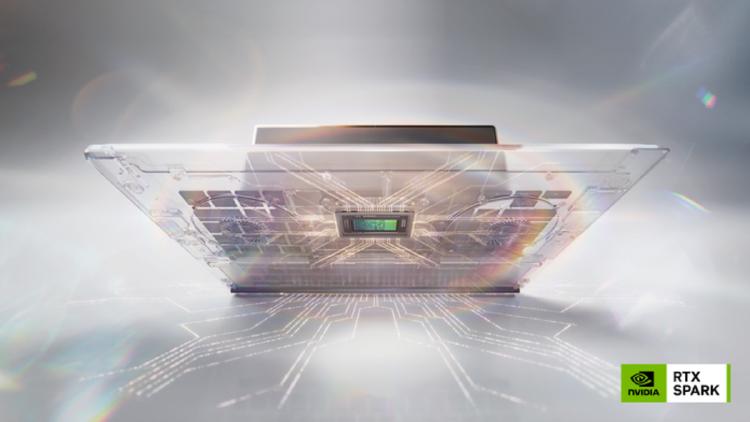
NVIDIA RTX Spark is a 20-core ARM + Blackwell GPU superchip delivering 1 petaFLOP FP4 and 128GB unified memory for AI-first Windows laptops and desktops.

Current rankings of the best AI image generation models, including GPT Image 2, Nano Banana 2, Recraft V4.1, HiDream-O1-Image, FLUX 2, Midjourney v8.1, and Ideogram 3.0, scored on human preference, text rendering, and photorealism.
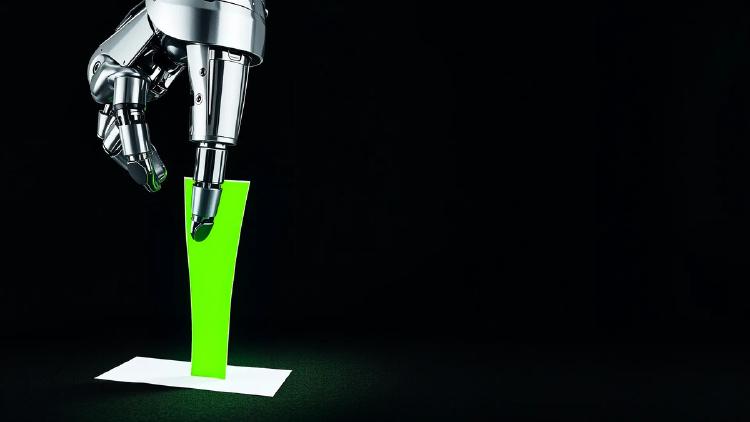
NVIDIA Cosmos 3 is an open physical AI omnimodel with Mixture-of-Transformers architecture that natively handles text, images, video, sound, and robot actions in a single 16B or 64B model.
Anthropic's May 2026 flagship model delivers 69.2% on SWE-bench Pro, dynamic parallel workflows in research preview, and Effort Control - all at $5/$25 pricing.
