

Anthropic Weighs $50B Raise - Could Top OpenAI
Anthropic is considering a $40-50 billion funding round at a valuation of up to $900 billion, which would make it the world's most valuable private AI company, surpassing OpenAI.
They summarize our coverage. We write it.
Newsletters like this one rebroadcast our headlines - often without the full review, the source reading, or the analysis underneath. Our weekly briefing sends the work they paraphrase, straight from the desk, before they get to it.
Free, weekly, no spam. One email every Tuesday. Unsubscribe anytime.

Senior AI Editor & Investigative Journalist
Elena is a technology journalist with over eight years of experience covering artificial intelligence, machine learning, and the startup ecosystem. Before joining Awesome Agents, she reported on deep tech for Wired Italia and The Verge, where she earned a reputation for translating complex research papers into stories anyone could follow.
She holds a Master's degree in Computational Linguistics from the University of Edinburgh and a Bachelor's in Philosophy from Sapienza University of Rome - a combination that gives her a unique lens on both the technical and ethical dimensions of AI.
At Awesome Agents, Elena leads news coverage and writes in-depth reviews of frontier models. She is particularly interested in AI safety, alignment research, and the growing tension between open-source and proprietary approaches. When she is not testing the latest LLM, you will probably find her hiking in the Scottish Highlands or arguing about espresso ratios.
Based in Edinburgh, UK.
Anthropic is considering a $40-50 billion funding round at a valuation of up to $900 billion, which would make it the world's most valuable private AI company, surpassing OpenAI.

A federal trial over OpenAI's shift from nonprofit to for-profit opened in Oakland on April 28, with Musk seeking $134B in damages, Altman's removal, and a full corporate reversal.

A Cursor agent powered by Claude Opus 4.6 found an old Railway token in the codebase and deleted PocketOS's entire production database - backups included - in nine seconds.

XChat launched April 24 promising end-to-end encryption, but security researchers found private keys stored on X's own servers, no certificate pinning, and a four-digit PIN as the only defense.

Three papers show LLM self-correction hurts above a key threshold, map AI deception with 14%-72% detection gaps, and prove million-agent societies fail without interaction depth.

Analyst Ming-Chi Kuo claims OpenAI is building a smartphone with Qualcomm and MediaTek where AI agents replace traditional apps, targeting 2028 mass production.
GPT-5.5 is OpenAI's first completely retrained base model since GPT-4.5, leading the field on agentic coding and computer use - but the doubled per-token pricing and delayed API access require careful evaluation.

An AI agent named Luna, powered by Claude Sonnet 4.6, opened and manages a real San Francisco boutique - but its record includes a gender pay gap, employee surveillance, and false claims to journalists.
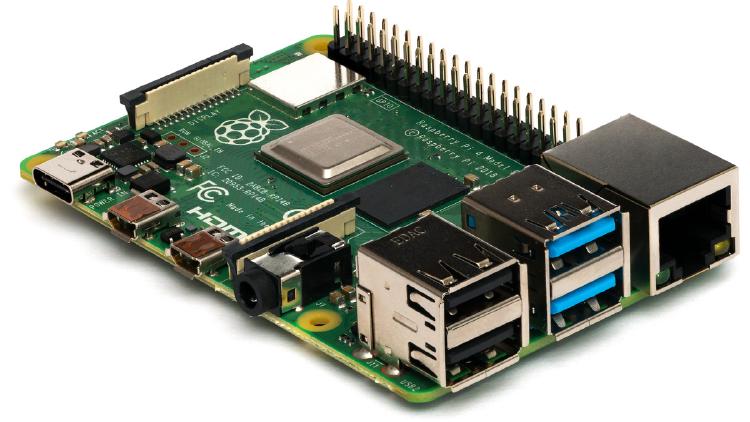
Singapore FM Vivian Balakrishnan published his personal AI architecture - a Raspberry Pi second brain connecting WhatsApp, Gmail, and a persistent knowledge graph.
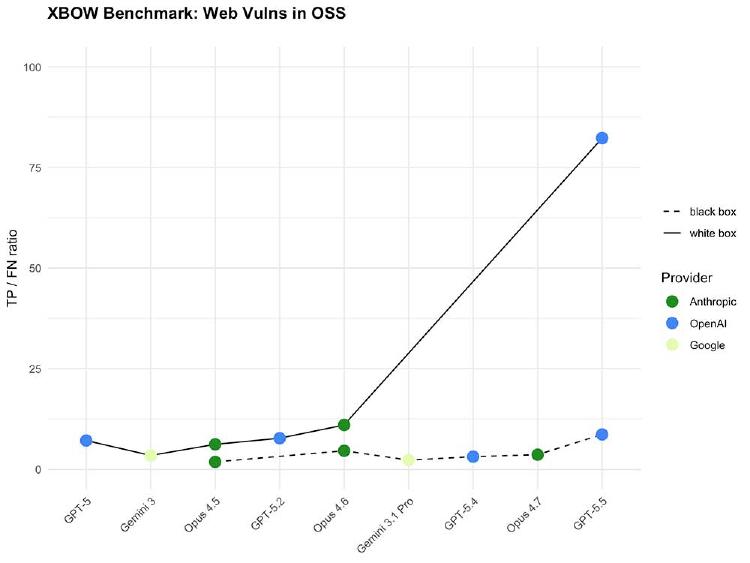
XBOW's benchmarks show GPT-5.5 cuts vulnerability miss rate to 10%, matches Anthropic's restricted Mythos - and is available to all ChatGPT subscribers.
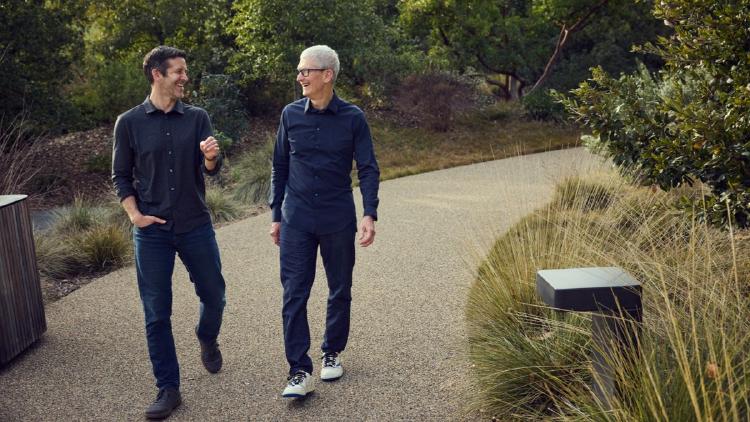
Tim Cook becomes executive chairman and John Ternus, the hardware engineer behind Apple Silicon, takes the CEO role on September 1 - a clear bet that chips beat software in the AI race.

Three arXiv papers show AI systems fake alignment in 37% of test cases, reshape human moral values through brief chats, and can cut inference compute while improving performance.
