
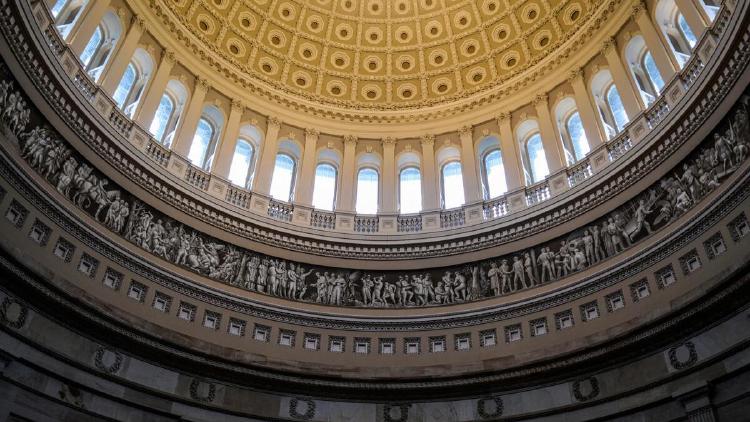
OpenAI vs Anthropic - The $125M Battle for Congress
Two rival AI super PAC networks - one bankrolled by OpenAI's Greg Brockman and a16z, one by Anthropic - are flooding the 2026 midterms with over $125 million to determine who regulates AI.
They summarize our coverage. We write it.
Newsletters like this one rebroadcast our headlines - often without the full review, the source reading, or the analysis underneath. Our weekly briefing sends the work they paraphrase, straight from the desk, before they get to it.
Free, weekly, no spam. One email every Tuesday. Unsubscribe anytime.

AI Industry & Policy Reporter
Daniel is a tech reporter who covers the business side of artificial intelligence - funding rounds, corporate strategy, regulatory battles, and the power dynamics between the labs racing to build frontier models. Before joining Awesome Agents, he spent four years at Reuters covering the intersection of technology and finance, with a particular focus on how venture capital shapes the AI industry.
He holds a degree in Economics from the London School of Economics and a postgraduate diploma in Journalism from City, University of London. His economics training shows in his reporting: he follows the money, reads the filings, and is skeptical of growth narratives that do not come with numbers attached.
At Awesome Agents, Daniel covers AI industry news with an emphasis on deals, policy, competition, and market dynamics. He is especially interested in the geopolitics of AI - export controls, chip restrictions, and the US-China-EU regulatory landscape. His reporting tends to focus on who benefits, who pays, and what the incentives actually are.
Based in London, UK.
Two rival AI super PAC networks - one bankrolled by OpenAI's Greg Brockman and a16z, one by Anthropic - are flooding the 2026 midterms with over $125 million to determine who regulates AI.

Max Schwarzer, VP of Research and Head of Post-Training at OpenAI, leaves after a year leading the team that shipped GPT-5, 5.1, 5.2, and 5.3-Codex to return to RL research at Anthropic.
Apple has asked Google to host next-gen Siri on its cloud servers after Private Cloud Compute hit just 10 percent utilization, with some servers still sitting in warehouses.

Junyang Lin, the 32-year-old architect behind Alibaba's Qwen open-source AI models, announces his departure in a brief tweet - the fourth major exit from Tongyi Lab in two years.
Up to 500 protesters marched through London's King's Cross tech hub in the largest anti-AI demonstration globally, demanding a pause on frontier AI development and democratic oversight.

China's National People's Congress opens this week with a 15th Five-Year Plan that puts $70 billion in semiconductor subsidies and AI-plus manufacturing at the center of its tech race with the West.

Alibaba completes the Qwen 3.5 lineup with four small models - 0.8B, 2B, 4B, and 9B - all natively multimodal, 262K context, Apache 2.0. The 9B outperforms last-gen Qwen3-30B and beats GPT-5-Nano on vision benchmarks.
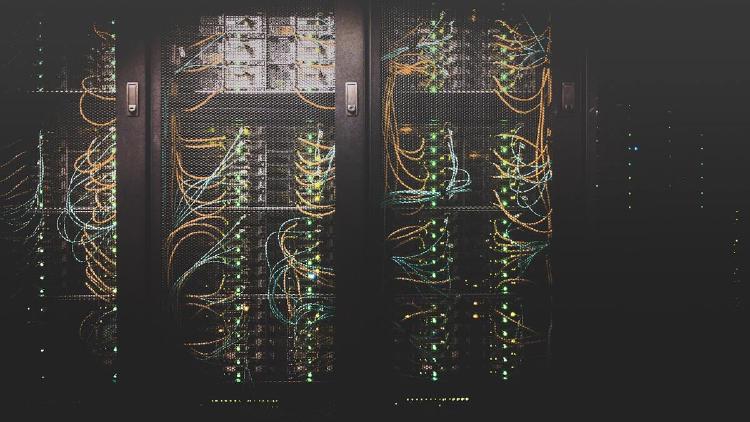
Huawei debuts its Atlas 950 SuperPoD at MWC Barcelona - 8,192 NPUs delivering 8 ExaFLOPS - marking its first overseas showcase of the AI supercomputer that directly targets Nvidia's cluster dominance.

Claude Code alone now authors 4% of all GitHub commits. At its current growth rate, AI code output will match 200,000 developers by year-end, a million by 2027, and over a billion by 2028.

Elon Musk's deposition claims that Grok is safer than ChatGPT are undercut by xAI's own deepfake scandal and mounting regulatory scrutiny ahead of the April trial.

DeepSeek will release V4, a natively multimodal trillion-parameter model with a 1M token context window, in the first week of March - optimized for Huawei Ascend chips, not Nvidia.
Anthropic will challenge the Pentagon's unprecedented supply chain risk designation in court, calling it legally unsound and a dangerous precedent for any American company that negotiates with the government.
